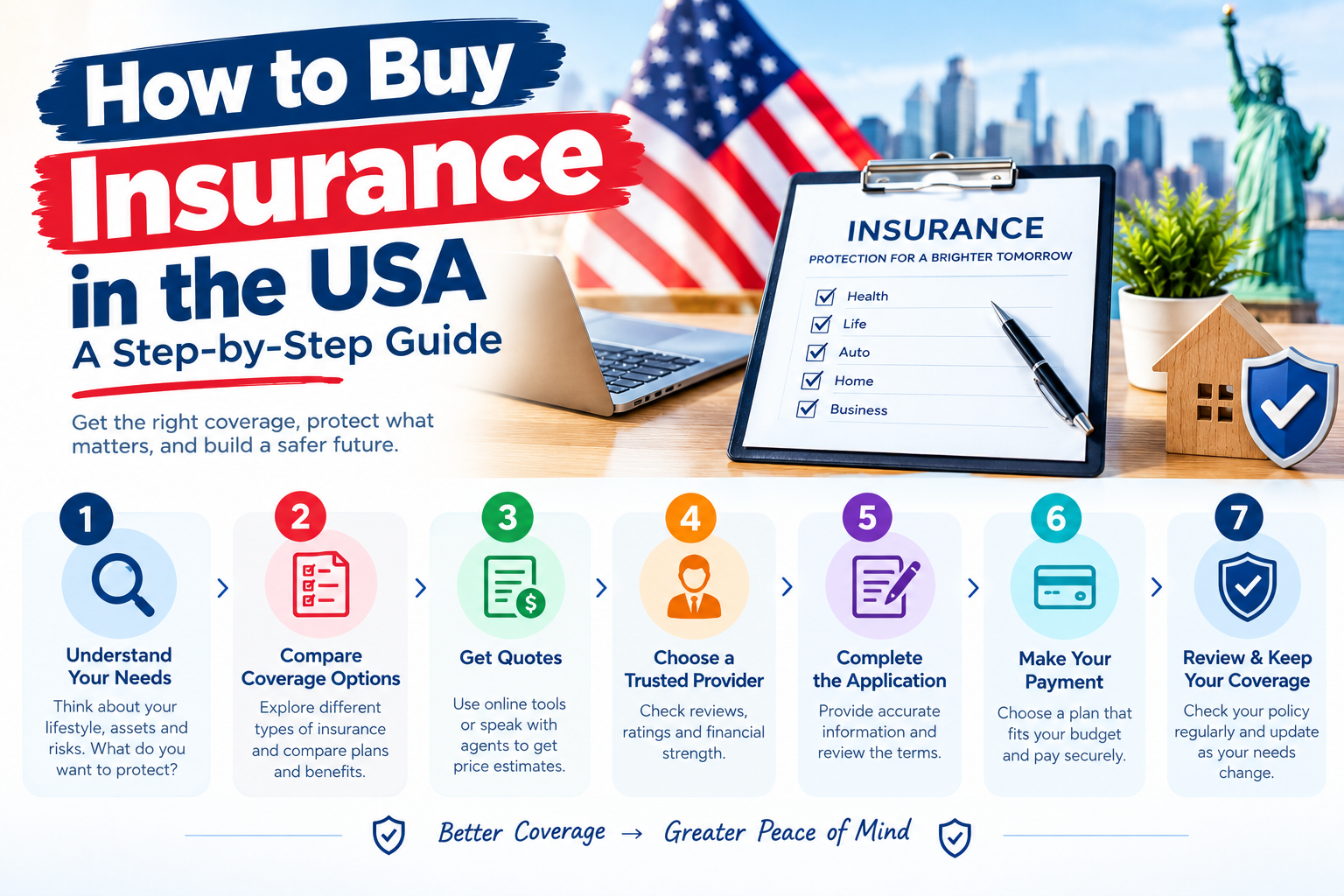
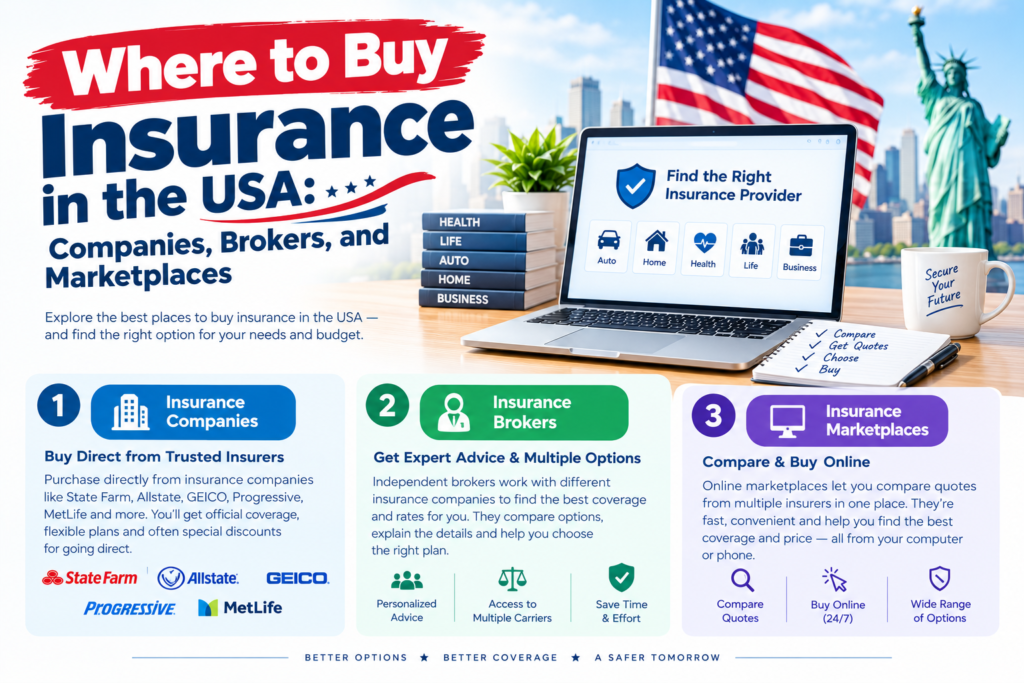

Buying insurance in the United States can feel confusing because there are many companies, agents, brokers, and online platforms. The best place to buy insurance depends on the type of coverage you need, your budget, and how much help you want when comparing policies.
Some people prefer buying directly from an insurance company. Others work with an independent agent or compare policies online. For health insurance, government marketplaces and employer-sponsored plans may also be options.
This guide explains the main places to buy insurance in the USA and how to choose a reliable provider.
1. Buy Insurance Directly From an Insurance Company
Table of Contents
One of the simplest ways to buy insurance is directly from an insurance company’s website, mobile app, or sales department.
Many companies allow customers to request quotes, compare coverage options, and purchase policies online.
Direct purchasing may be suitable for people who already know what coverage they need and feel comfortable comparing policy details themselves.
Advantages:
- You can research policies at your own pace.
- You can request quotes online.
- You can communicate directly with the insurance company.
- Some companies offer online account management and digital policy documents.
Things to consider:
A company selling its own policies may only show you its available products. Compare quotes from several insurers rather than assuming the first offer is the cheapest or best.
Before purchasing, review the deductible, coverage limits, exclusions, payment schedule, and cancellation rules.
2. Buy Through an Independent Insurance Agent
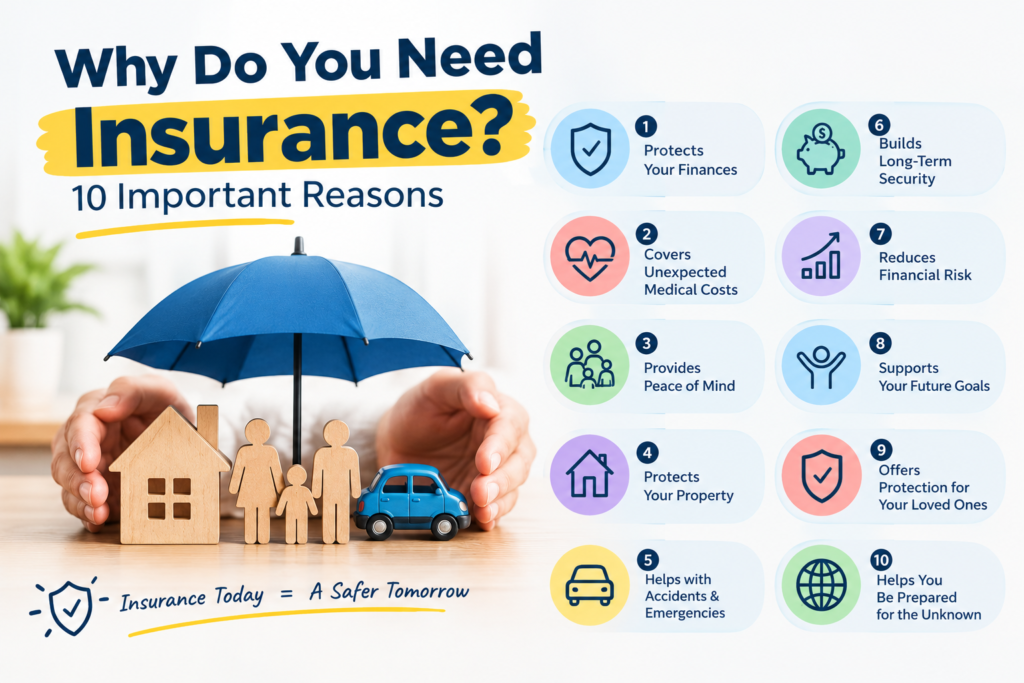
An independent insurance agent can offer policies from multiple insurance companies, depending on the agent’s agreements and the type of insurance.
This can make it easier to compare different options without visiting every insurer individually.
Independent agents may be particularly useful if you want help understanding coverage differences or finding a policy for a home, vehicle, or small business.
Advantages:
- You may be able to compare multiple insurers.
- An agent can explain policy terms and coverage limits.
- You can ask questions before making a decision.
Potential drawback:
An independent agent does not necessarily represent every insurer in the market. Ask which companies they can quote and whether they receive a commission for selling a policy.
3. Buy Through a Captive Insurance Agent
A captive agent generally sells insurance products for one insurance company.
For example, an agent working exclusively with one insurer may help you compare that company’s available auto, home, or life insurance products.
This option can work well if you prefer personal assistance and are interested in a particular company.
However, a captive agent may not be able to compare policies from competing insurers. If price is important, request additional quotes elsewhere before deciding.
The National Association of Insurance Commissioners (NAIC) explains the differences between independent agents, captive agents, and brokers in its consumer guide:
4. Work With an Insurance Broker
An insurance broker helps customers explore coverage options from the insurance market. Brokers can be especially useful when insurance needs are more complicated, such as business liability, commercial property, or specialized coverage.
Some brokers charge fees, while compensation arrangements vary by provider and policy. Ask how the broker is paid before agreeing to work with them.
When choosing a broker, consider their experience with your type of insurance, the companies they work with, and whether they explain exclusions and limitations clearly.
Do not choose a broker solely because they promise the lowest price. The policy must provide the coverage you actually need.
5. Compare Insurance Quotes Online
Online comparison websites can help you research insurance prices and policy options from different providers.
Depending on the platform, you may be able to compare auto, home, renters, life, or health insurance.
Online comparison tools can save time, but they do not all work in the same way. Some show quotes from multiple insurers, while others collect your information and connect you with agents or selected companies.
Before submitting personal information, check the website’s privacy policy and understand how your details may be shared.
Tips for comparing quotes online:
- Enter accurate information.
- Compare the same coverage limits and deductibles.
- Check whether the quoted price is final or only an estimate.
- Read the exclusions and policy conditions.
- Confirm the insurer is licensed in your state.
- Review the policy directly with the insurer before purchasing.
Remember that the lowest monthly premium does not always mean the lowest overall cost. A policy with a large deductible or limited coverage could leave you paying more after a claim.
6. Where to Buy Health Insurance in the USA
Health insurance has several purchasing options. The right one depends on your employment, location, eligibility, and household circumstances.
Health Insurance Through an Employer
Many employers offer health insurance benefits. Depending on the plan, the employer may pay part of the monthly premium.
If health insurance is available through your job, ask the human resources department about:
- Monthly employee contributions.
- Deductibles and out-of-pocket costs.
- Covered doctors and hospitals.
- Prescription drug coverage.
- Dependent coverage.
- Enrollment deadlines.
Compare the employer plan with other options before making a decision, especially if you have a family or specific healthcare needs.
The Official Health Insurance Marketplace
The official federal Health Insurance Marketplace is available at:
It allows eligible individuals and families to explore health plans and determine whether they qualify for financial assistance. Some states operate their own marketplaces and may direct applicants to a state website.
You can also find official application instructions here:
Marketplace enrollment periods and eligibility rules matter. Outside the regular enrollment period, you may need to qualify for a Special Enrollment Period, although some programs have different rules.
Government Health Coverage Programs
Depending on your circumstances, you may qualify for programs such as Medicare, Medicaid, or the Children’s Health Insurance Program (CHIP).
Eligibility varies according to factors such as age, income, disability status, household circumstances, and state rules. Visit official government websites to check your eligibility instead of relying only on a sales representative.
Private Health Insurance Outside the Marketplace
You may also be able to purchase private health insurance directly from an insurer or through an agent or broker.
However, plans bought outside the Marketplace generally do not qualify for the same Marketplace premium tax credits. Compare total costs and benefits carefully before choosing an option.
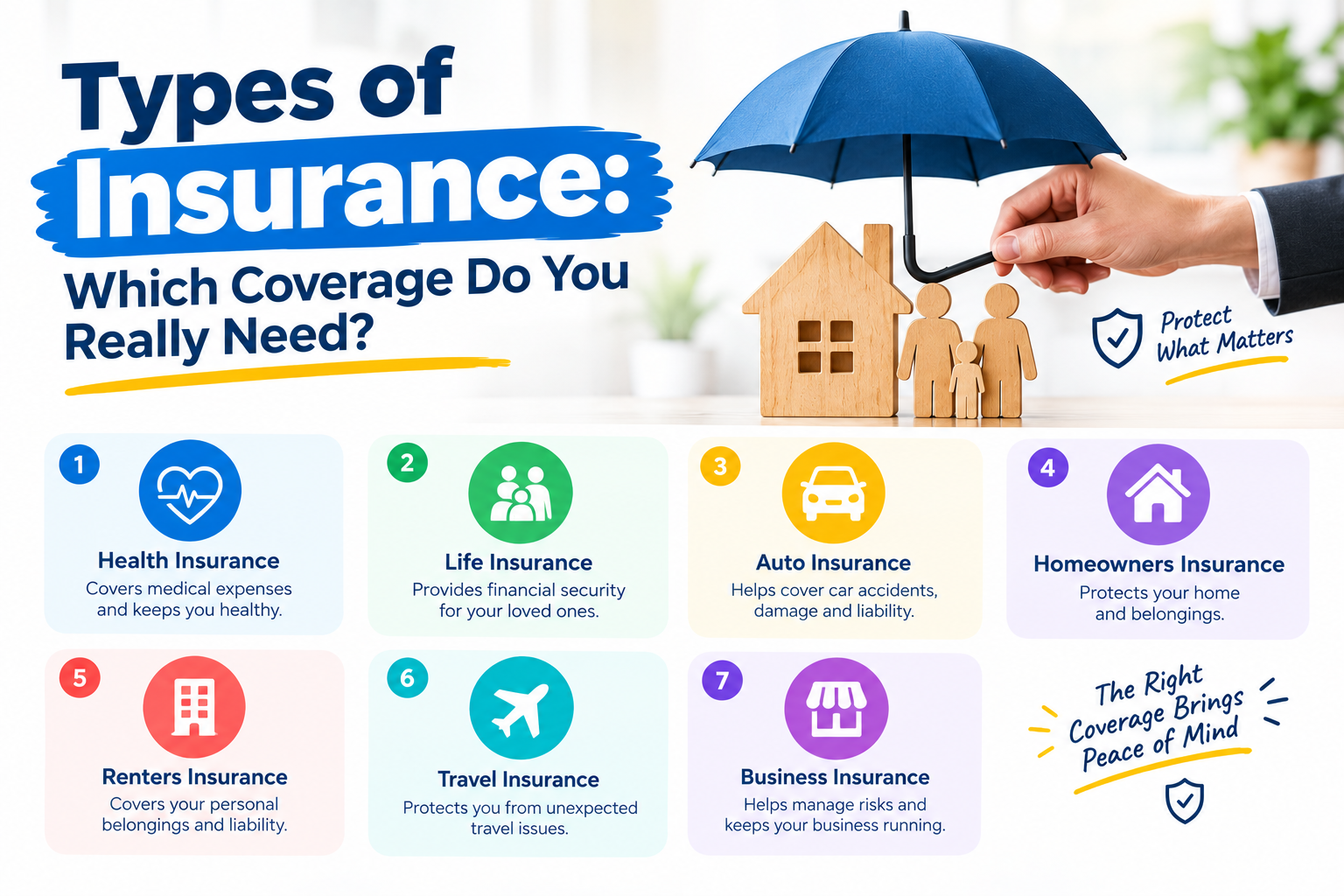
7. Where to Buy Auto, Home, Renters, and Life Insurance
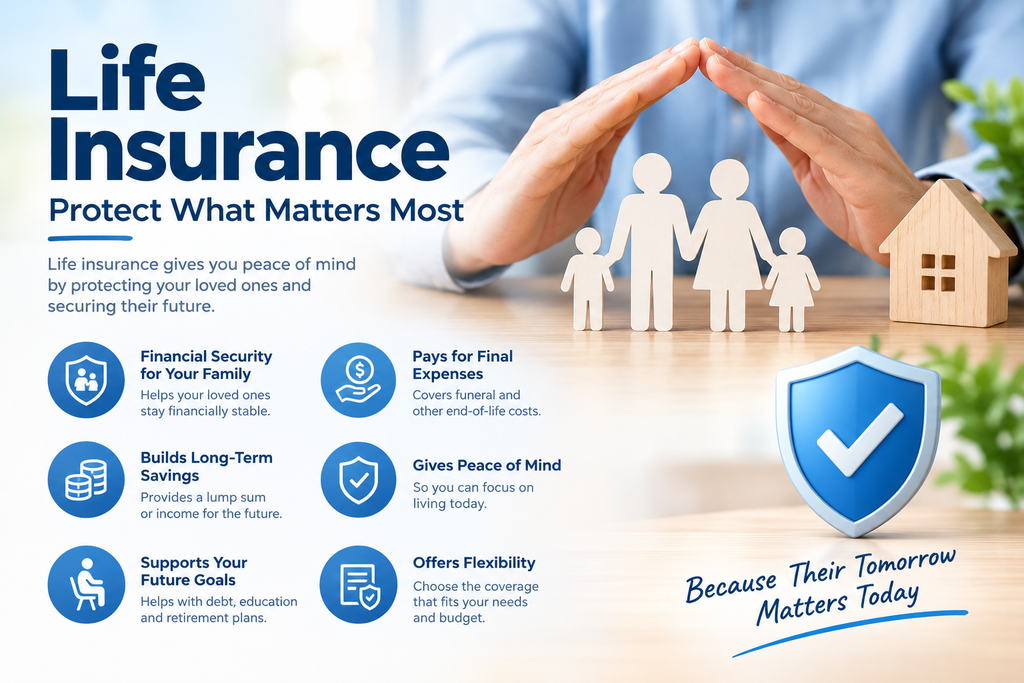
The best purchasing channel can differ by insurance type.
Auto insurance: Request quotes directly from insurers and independent agents. Compare liability limits, collision and comprehensive coverage, deductibles, and available discounts.
Homeowners insurance: Compare policies that cover your home’s structure, belongings, liability, and additional living expenses. Check exclusions, including any restrictions relating to floods or other specific risks.
Renters insurance: Compare the cost of personal property coverage, personal liability protection, and additional living expenses. Confirm the limits meet your needs.
Life insurance: Compare term life and permanent life policies. Consider the coverage amount, length of coverage, premium, and policy conditions. Make sure you understand what is guaranteed and what is not.
Small business insurance: Consider speaking with an agent or broker who understands your industry. Depending on the business, you may need general liability, commercial property, professional liability, workers’ compensation, or other coverage.
The US Small Business Administration provides an overview of business insurance options:
8. How to Check Whether an Insurance Company Is Legitimate
Before buying a policy, verify that the insurer and the agent are authorized to sell insurance in your state.
The NAIC provides a directory of state insurance departments, which can help you locate your regulator and find consumer resources:
You can also visit your state’s Department of Insurance website to look for licensing information, complaint resources, and consumer warnings.
Follow these precautions:
- Confirm the company’s legal name and contact details.
- Check the agent’s license where applicable.
- Read the full policy documents.
- Understand the deductible, exclusions, and cancellation terms.
- Keep copies of your quote, application, payment confirmation, and policy.
- Avoid anyone who pressures you to pay immediately without explaining the coverage.
Be cautious if someone promises guaranteed claim approval, offers an unusually cheap policy without asking relevant questions, or requests payment through an unusual method. Verify the offer independently before sending money or sensitive information.
9. Common Mistakes to Avoid When Buying Insurance
Choosing a policy based only on its advertised price can lead to expensive surprises later.
Avoid these common mistakes:
Not comparing equivalent coverage: Two quotes are not directly comparable if their limits, deductibles, or exclusions are different.
Ignoring exclusions: A policy may not cover every event you assume it covers. Read the exclusions before purchasing.
Providing incorrect information: Inaccurate information on an application can cause problems with underwriting or a future claim.
Ignoring the claims process: Research how to report a claim, what documents may be required, and how to contact the insurer.
Failing to check licensing: Confirm the provider is authorized to sell the relevant insurance in your state.
Missing renewal dates: Review your policy before renewal to check whether the premium, coverage, or terms have changed.
10. What Is the Best Place to Buy Insurance in the USA?
There is no single best place for everyone. Your best option depends on the type of insurance you need and how much support you want.
- Buy directly from an insurer if you want to deal with the company yourself.
- Use an independent agent if you want help comparing products from several insurers they represent.
- Consider a broker if your needs are complex or specialized.
- Use an online comparison platform to research multiple options efficiently.
- Explore HealthCare.gov if you are shopping for Marketplace health insurance and may qualify for financial assistance.
- Check employer benefits if your workplace offers insurance coverage.
Before making a final decision, compare the total cost, coverage limits, exclusions, provider reputation, and claims process.
Frequently Asked Questions
Can I buy insurance online in the USA?
Yes. Many insurers sell policies online, and comparison platforms can help you research options. Check the provider’s licensing and read the policy terms before paying.
Is it cheaper to buy insurance directly from a company?
Not always. Prices depend on the insurer, your circumstances, the coverage selected, and other rating factors. Compare direct quotes with quotes available through agents or brokers.
Is an insurance broker better than an agent?
Neither is automatically better. Agents and brokers have different roles and compensation arrangements. Choose someone who understands your needs, explains the policy clearly, and is properly licensed where required.
How can I check if an insurance agent is licensed?
Contact your state Department of Insurance or use the official resources linked through the NAIC. Licensing requirements depend on the state and the type of insurance.
Can I get health insurance without an employer?
Yes, depending on your circumstances. You may be able to purchase a Marketplace plan, qualify for a government program, or buy private coverage. Eligibility, enrollment periods, and costs vary.
Should I always choose the cheapest insurance policy?
No. A lower premium may come with a higher deductible, lower coverage limits, or more exclusions. Compare the protection provided as well as the price.
Final Thoughts
Buying insurance in the USA does not have to be complicated. Start by identifying the coverage you need, then compare policies through reputable insurers, licensed agents, brokers, or official marketplaces where applicable.
Take time to read the terms, confirm licensing, and understand how claims work before you buy. A carefully chosen policy can help protect your finances when an unexpected event occurs.
Disclaimer: This article is for general educational purposes only. Insurance products, availability, costs, and legal requirements vary by state and individual circumstances. Review the policy documents and consult an appropriately licensed insurance professional for guidance specific to your situation.