

Working as a freelancer or self-employed professional offers many advantages. You can choose your clients, manage your schedule, work from home, and build your own business. However, being your own boss also means taking responsibility for important things that traditional employees may receive through their employers.
One of the biggest responsibilities is insurance.
Freelancers and self-employed people may face financial risks related to medical expenses, client disputes, workplace accidents, damaged equipment, and unexpected interruptions to their income. Without suitable insurance, a single unexpected event could create serious financial problems.
Whether you are a freelance writer, graphic designer, photographer, consultant, online seller, or independent contractor, understanding your insurance options can help protect your income and business.
In this guide, you will learn what insurance freelancers need, which policies are available, how much coverage may cost, and how to choose the right protection for your situation.
Why Do Freelancers and Self-Employed People Need Insurance?
Table of Contents
Traditional employees may receive health insurance, disability coverage, or other benefits through their employers. Freelancers and independent business owners usually need to arrange these protections themselves.
This does not mean every freelancer needs every type of insurance. The right coverage depends on the services you provide, your income, your business structure, and the risks associated with your work.
Here are some important reasons why insurance matters.
Protection Against Unexpected Medical Expenses
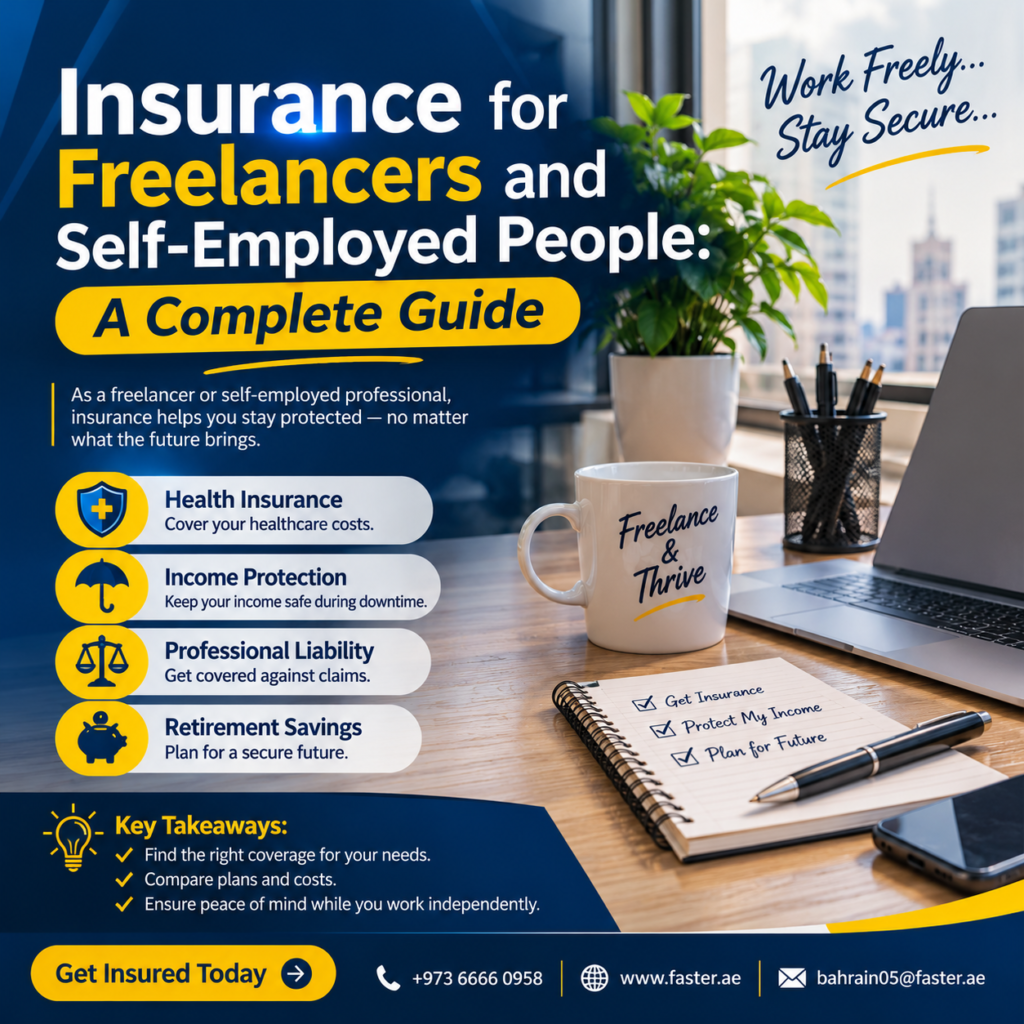
Freelancers who do not receive employer-sponsored health insurance need another way to manage healthcare costs.
A health insurance policy can help cover eligible medical services, doctor visits, hospital care, prescription drugs, and other healthcare expenses according to the policy.
Protection Against Client Lawsuits
A client may claim that your professional advice, work, or services caused financial damage.
Professional liability insurance may help cover eligible legal defense costs and certain claims, depending on the policy.
Financial Protection for Your Business
Freelancers often depend on computers, cameras, software, tools, and other equipment to earn money.
Business property or equipment insurance can help protect covered items against specified losses.
Support When You Cannot Work
An illness or injury can prevent a freelancer from completing projects and earning income.
Disability insurance may provide a portion of lost income when a covered medical condition prevents you from working, subject to the policy terms.
Building Trust With Clients
Some clients require freelancers and independent contractors to carry insurance before signing a contract.
Having appropriate coverage can demonstrate professionalism and make it easier to qualify for certain projects.
What Types of Insurance Do Freelancers Need?
There is no single insurance policy that covers every risk faced by freelancers. Different policies protect against different types of financial losses.
The following are some of the most important insurance options for self-employed professionals in the United States.
1. Health Insurance for Freelancers

Health insurance is one of the most important considerations for people who work independently.
Unlike employees who may receive medical coverage through their workplace, freelancers generally need to find their own health insurance plan.
In the United States, self-employed individuals may be able to purchase coverage through the Health Insurance Marketplace or explore other eligible options.
Health insurance can help pay for covered services such as:
- Doctor appointments and consultations.
- Hospital visits and treatment.
- Emergency medical services.
- Prescription medications.
- Preventive healthcare services.
- Certain laboratory tests and medical procedures.
The exact coverage depends on the selected plan, its network, deductibles, copayments, and other conditions.
Freelancers should compare monthly premiums and potential out-of-pocket expenses before selecting a health insurance policy.
2. Professional Liability Insurance
Professional liability insurance is particularly important for freelancers who provide advice, specialized services, or professional work to clients.
It is also commonly called errors and omissions insurance or E&O insurance.
For example, imagine a freelance marketing consultant provides a campaign strategy to a client. The client later claims that incorrect advice caused financial losses.
Professional liability insurance may help cover eligible legal defense expenses and certain settlements or judgments, depending on the policy.
This type of insurance is useful for:
- Freelance consultants.
- Marketing professionals.
- Business advisors.
- Accountants and financial professionals.
- Web developers.
- Graphic designers.
- Independent contractors providing professional services.
Coverage exclusions and claim requirements vary, so freelancers should carefully review the policy before purchasing it.
3. General Liability Insurance
General liability insurance protects businesses against certain third-party claims involving bodily injury, property damage, and personal or advertising injury.
For example, a freelance photographer visits a client’s office and accidentally damages expensive equipment. The client may request compensation for the damage.
A suitable general liability policy may help cover eligible claims and legal expenses.
This insurance can be especially useful for freelancers who:
- Visit clients at their workplaces.
- Meet customers in person.
- Work at events.
- Operate a home-based business with client visits.
- Provide services at different locations.
Freelancers who work entirely online may have different liability risks, but they should still consider whether their business activities require coverage.
4. Disability Insurance
Disability insurance can provide income protection if an illness or injury prevents you from working.
For freelancers, this can be particularly important because their income may depend directly on their ability to complete projects and serve clients.
For example, a self-employed web developer who experiences a serious injury may be unable to work for several months. A disability insurance policy may provide part of their lost income if the condition meets the policy requirements.
Important features to compare include:
- Monthly benefit amount.
- Waiting period before benefits begin.
- Benefit payment duration.
- Definition of disability.
- Exclusions and limitations.
- Premium costs.
Freelancers should understand that disability insurance does not automatically replace their full income.
5. Business Property and Equipment Insurance
Many independent professionals depend on equipment to complete their work.
A freelance photographer may need cameras and lenses, while a graphic designer may depend on a computer, monitor, and other electronic devices.
Business property insurance can help protect covered business equipment against specified risks, such as certain types of theft, fire, or physical damage.
Before buying coverage, check whether the policy protects equipment:
- At your home office.
- At a client’s workplace.
- During transportation.
- While traveling for business.
- At temporary work locations.
Some standard homeowners or renters policies limit business property coverage, so freelancers should not assume their personal policy protects all business equipment.
6. Cyber Liability Insurance
Many freelancers store client information, manage online payments, use cloud services, and communicate through digital platforms.
This creates potential cybersecurity risks.
Cyber liability insurance may help cover certain expenses resulting from covered cyber incidents, such as data breaches, cyberattacks, or unauthorized access to business information.
It may be useful for:
- Freelance web developers.
- Digital marketing agencies.
- Online consultants.
- Virtual assistants.
- Freelancers handling customer databases.
- Independent professionals storing sensitive client information.
The coverage available depends on the insurer and policy. Some policies also include incident response assistance and data recovery services.
7. Commercial Auto Insurance
Freelancers who use vehicles for business activities may need commercial auto insurance.
Personal auto insurance does not necessarily cover every type of business-related driving.
For example, a self-employed contractor who regularly transports tools and equipment to customer locations may need to discuss commercial vehicle coverage with an insurance provider.
Coverage requirements depend on how the vehicle is used, the business activity, and state regulations.
How Much Does Insurance Cost for Freelancers?
The cost of insurance for freelancers depends on several factors. There is no single price that applies to every self-employed professional.
An independent consultant may pay a different premium from a photographer, contractor, or online business owner.
Insurance companies generally consider factors such as:
- Type of freelance work.
- Business location.
- Annual income and business revenue.
- Number of employees.
- Coverage limits.
- Deductibles.
- Previous insurance claims.
- Equipment and business property value.
- Selected policy features.
Health insurance premiums can also depend on age, location, plan category, household information, and eligibility for financial assistance.
Freelancers should request quotes from multiple insurers rather than choosing a policy based only on the lowest advertised price.
How to Choose the Right Insurance Policy as a Freelancer
Choosing insurance can feel confusing, especially when you are managing a business independently.
However, you can make a better decision by understanding your risks and comparing policies carefully.
Identify the Biggest Risks in Your Business
Start by listing the risks connected to your work.
For example, a freelance writer may focus on professional liability and health insurance, while a photographer may also need equipment protection and general liability coverage.
Think about what could happen if you became unable to work, damaged a client’s property, or faced a legal claim.
Understand What Each Policy Covers
Do not assume that one insurance policy protects against every possible problem.
Health insurance covers eligible healthcare expenses, while professional liability insurance addresses certain claims related to professional services.
Read the policy documents and understand the coverage limits, exclusions, and conditions.
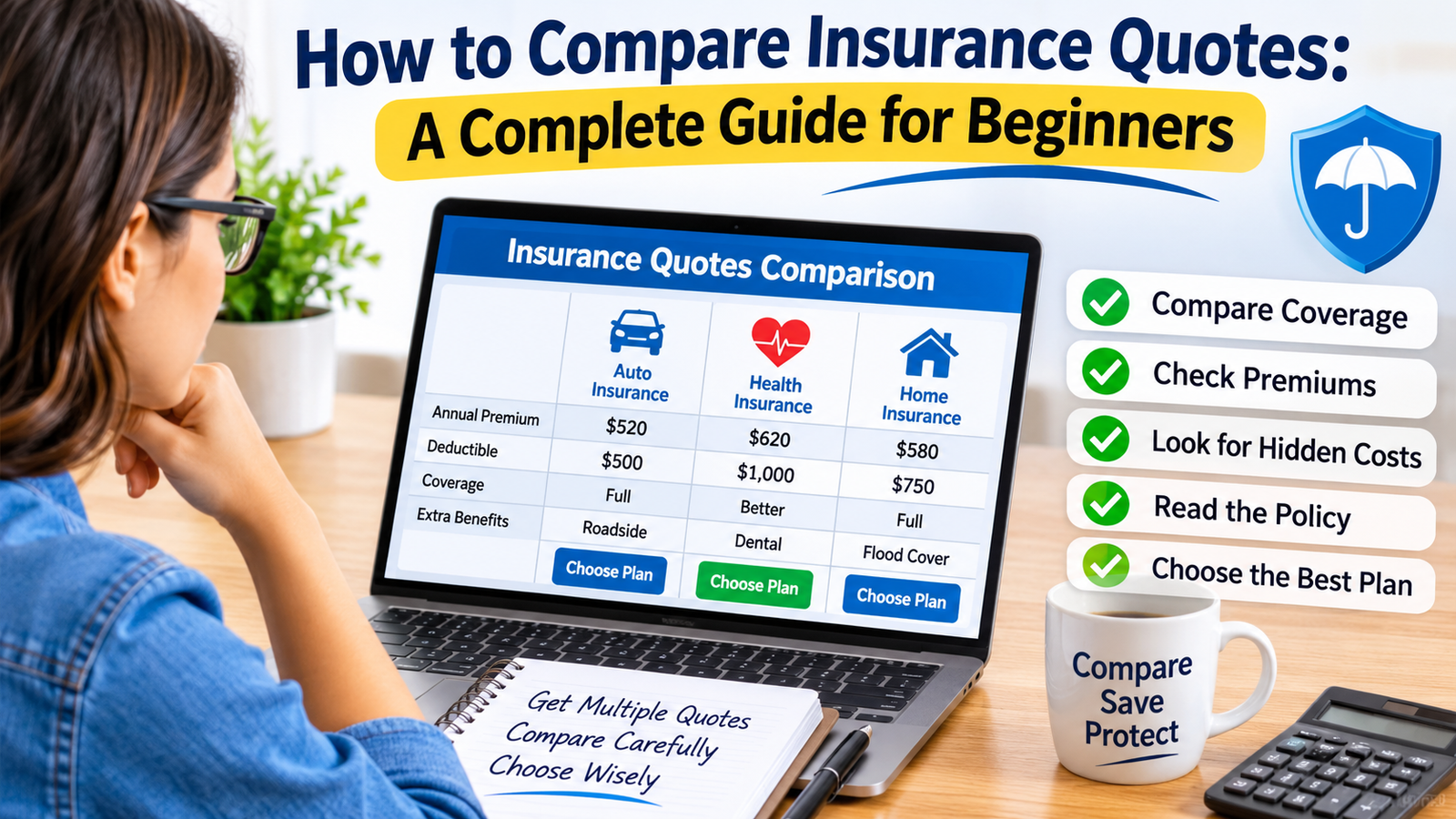
Compare Multiple Insurance Quotes
Request quotes from different insurance companies and compare more than just the monthly premium.
Pay attention to:
- Coverage limits.
- Deductibles.
- Monthly or annual premiums.
- Exclusions.
- Waiting periods.
- Claims procedures.
- Renewal conditions.
A cheaper policy may offer less protection or have higher out-of-pocket costs.
Check Whether Clients Require Insurance
Some companies require freelancers and independent contractors to provide proof of insurance before starting a project.
A client may request general liability coverage, professional liability insurance, or specific minimum coverage limits.
Check contract requirements before purchasing a policy.
Review Your Insurance Regularly
Your business may change as you gain new clients, increase your income, purchase equipment, or start offering additional services.
Review your insurance coverage at least once a year and whenever your business activities change significantly.
Where Can Freelancers Buy Insurance in the USA?
Freelancers in the United States have several ways to find insurance coverage.
Health Insurance Marketplace
The official Health Insurance Marketplace allows eligible individuals and families to compare health insurance plans.
Self-employed individuals may qualify for premium tax credits depending on their household income and other eligibility requirements.
Official website: https://www.healthcare.gov/self-employed/
Directly From Insurance Companies
Some insurers sell policies directly through their websites or licensed agents.
Freelancers can compare available coverage for health, liability, disability, property, and other business risks.
Always confirm that the insurer offers coverage in your state and for your type of work.
Through Independent Insurance Agents
Independent insurance agents can help freelancers compare policies from different insurance companies.
They may explain coverage options, policy exclusions, and the differences between available plans.
Before working with an agent, confirm their licensing and understand whether they represent multiple insurers.
Through Online Insurance Marketplaces
Online insurance marketplaces allow users to compare selected business insurance products and request quotes.
Some platforms specialize in small businesses, contractors, and independent professionals.
Review the actual policy and insurer details before purchasing coverage through any marketplace.
Can Freelancers Deduct Insurance Premiums on Their Taxes?
In the United States, some self-employed individuals may qualify for tax deductions related to health insurance premiums and certain business insurance expenses.
For example, eligible self-employed taxpayers may be able to deduct qualifying health insurance premiums under IRS rules.
Business insurance premiums may also qualify as ordinary and necessary business expenses, depending on the circumstances.
However, tax deductions have specific eligibility requirements and limitations.
Freelancers should keep accurate records of their insurance payments and consult a qualified tax professional when necessary.
Official IRS information: https://www.irs.gov/businesses/small-businesses-self-employed
Common Insurance Mistakes Freelancers Should Avoid
Choosing insurance without understanding the policy can create financial problems later.
Here are some common mistakes self-employed professionals should avoid.
Buying Insurance Only Because It Is Cheap
A low monthly premium does not always mean a policy offers sufficient protection.
Compare coverage limits, exclusions, deductibles, and other important conditions before making a decision.
Assuming Personal Insurance Covers Business Activities
Homeowners, renters, and personal auto insurance policies may have limitations related to business activities.
Check with your insurer before assuming your personal policy protects your freelance business.
Ignoring Professional Liability Risks
Freelancers who provide advice, design services, consulting, or specialized work may face claims related to mistakes or alleged negligence.
Consider whether professional liability coverage is appropriate for your services.
Not Reading Policy Exclusions
Insurance policies do not cover every situation.
Review exclusions, limitations, waiting periods, and claim conditions so you understand what protection you are actually purchasing.
Forgetting to Update Insurance Coverage
If your business grows, hires employees, purchases expensive equipment, or starts serving new types of clients, your existing coverage may no longer be sufficient.
Review your policies when your business changes.
Frequently Asked Questions About Insurance for Freelancers
Do Freelancers Need Health Insurance in the USA?
Freelancers generally need to arrange their own health coverage rather than relying on an employer. They may explore Marketplace plans and other eligible coverage options. Applicable federal and state requirements should also be checked.
What Is the Most Important Insurance for Self-Employed People?
Health insurance is an important consideration for many self-employed individuals. Professional liability, general liability, disability, and equipment insurance may also be important depending on the type of work.
Is Professional Liability Insurance Necessary for Freelancers?
It can be important for freelancers who provide professional services, advice, consulting, or specialized work. Some clients also require proof of professional liability coverage.
Can Freelancers Get Business Insurance?
Yes. Freelancers can purchase different types of business insurance, including general liability, professional liability, cyber liability, and business property coverage.
Does Homeowners Insurance Cover a Freelance Business?
Not necessarily. Homeowners insurance may provide limited protection for certain business property, but it may exclude or restrict important business-related risks. Check your policy or ask your insurer about suitable business coverage.
Can Self-Employed People Deduct Health Insurance Premiums?
Some eligible self-employed individuals in the United States may qualify for a deduction for qualifying health insurance premiums. The deduction has specific IRS rules and limitations.
How Much Insurance Should a Freelancer Have?
The right amount depends on your business activities, potential financial risks, client contract requirements, income, and personal circumstances. Compare coverage limits and choose protection that matches your needs.
Final Thoughts
Insurance is an important part of managing a freelance career or self-employed business. Although working independently provides flexibility and freedom, it also means taking responsibility for your own financial protection.
Health insurance, professional liability insurance, general liability insurance, disability coverage, and business equipment protection can help freelancers manage different types of risks.
You do not necessarily need every policy available. Start by identifying the biggest risks in your work, compare suitable insurance options, and understand exactly what each policy covers.
The right insurance plan can help protect your finances, support your business, and give you greater confidence as you continue building your independent career.


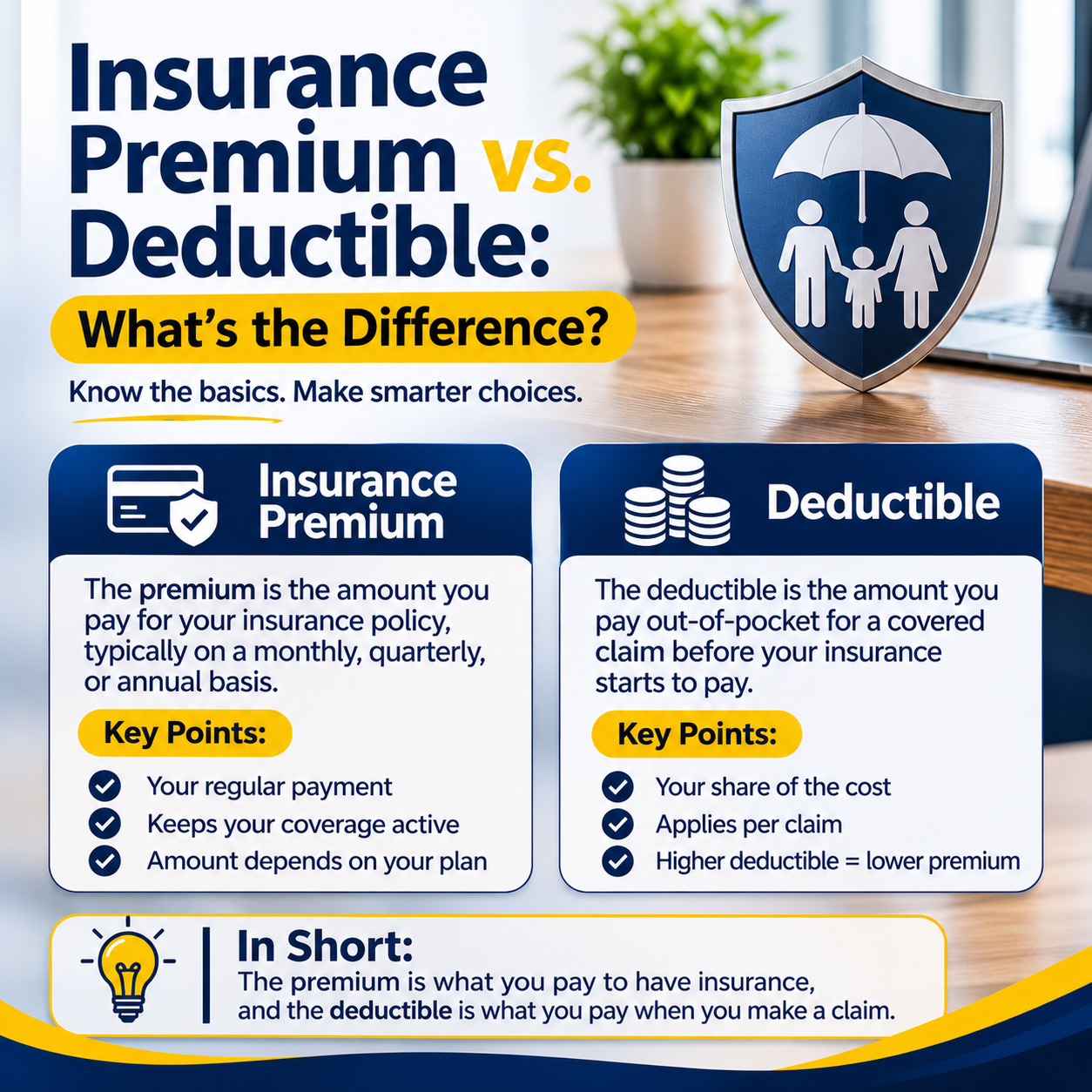
Pingback: Insurance Premium vs. Deductible: What's the Difference?