
Buying a new smartphone is an important decision because most people use their phones every day for communication, entertainment, work, shopping, banking, and social media. With so many brands and models available, choosing the right device can feel confusing.
In 2027, smartphone buyers will have plenty of features to consider, including advanced cameras, faster processors, artificial intelligence (AI), improved displays, longer battery life, and better software support.
However, the most expensive smartphone is not always the best choice. A good phone should offer the features you actually need, reliable performance, and value for your money.
In this guide, we will explain what to compare before buying a smartphone in 2027, how to choose between different price categories, and which features deserve the most attention.
1. Set Your Budget Before Choosing a Smartphone
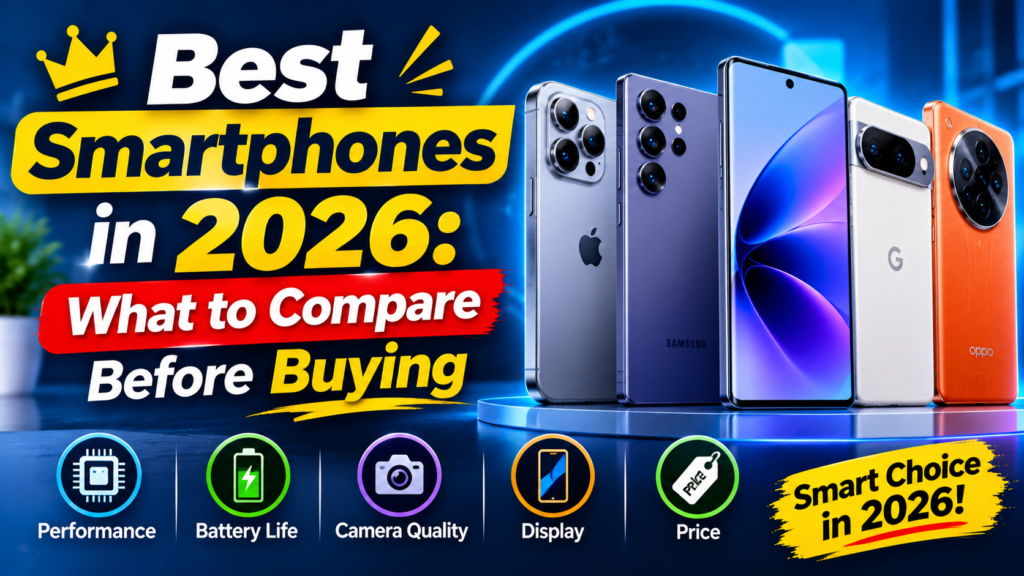
Table of Contents
The first step is deciding how much money you want to spend. Smartphones are available at different prices, from affordable everyday devices to expensive flagship models.
Your budget will help you narrow down your choices and avoid paying extra for features you may never use.
Here are three general smartphone categories to consider:
Budget Smartphones
Budget phones are suitable for people who mainly use their devices for calls, messages, browsing, social media, and basic applications. They may have simpler cameras and less powerful processors, but many provide good everyday performance.
Mid-Range Smartphones
Mid-range phones offer a balance between price and features. They often include good cameras, attractive displays, reliable processors, and useful battery life.
Premium Smartphones
Premium smartphones are designed for people who want advanced cameras, powerful performance, high-quality displays, and additional features such as foldable screens or advanced AI tools.
Before buying, compare several phones in your price range rather than choosing a device based only on its brand name.
2. Compare Camera Quality
Camera quality is one of the most important features for many smartphone buyers. People use their phones to take family pictures, record videos, create social media content, and capture everyday moments.
When comparing smartphone cameras in 2027, look beyond the megapixel number.
Consider these camera features:
- Main camera: Important for everyday photography.
- Ultra-wide camera: Useful for landscapes, group photos, and wider scenes.
- Telephoto camera: Helps capture distant subjects with optical zoom.
- Night photography: Useful for taking pictures in low-light conditions.
- Video recording: Important for content creators and people who record regularly.
- Image stabilization: Helps reduce unwanted movement in photos and videos.
A smartphone with a 200MP camera is not automatically better than one with a 50MP camera. Sensor quality, image processing, lens quality, and software also affect the final result.
If you regularly create videos for YouTube, Instagram, or TikTok, pay special attention to video quality, microphone performance, and stabilization.
3. Check Battery Life and Charging Speed
Battery life is another important factor when buying a smartphone.
A phone with excellent performance and a beautiful display will not be convenient if its battery runs out quickly.
When comparing batteries, consider:
- Battery capacity.
- Real-world screen-on time.
- Video playback performance.
- Power consumption during gaming.
- Wired charging speed.
- Wireless charging support.
- Battery health and replacement costs.
Battery capacity is usually measured in milliamp-hours (mAh). However, a higher mAh number does not always mean longer battery life.
Software optimization, processor efficiency, display technology, and your usage habits also matter.
If you travel frequently or spend long hours away from a charger, choose a phone with dependable battery performance rather than focusing only on charging speed.
4. Choose a Powerful and Reliable Processor
The processor is one of the main components responsible for a smartphone’s speed and performance.
It affects how quickly applications open, how smoothly games run, and how well the device handles demanding tasks.
When comparing processors, consider:
- Everyday application performance.
- Gaming capabilities.
- Multitasking performance.
- Power efficiency.
- Heat management.
- AI processing capabilities.
Premium smartphones generally use more powerful processors, while budget and mid-range devices use chips designed to balance performance and affordability.
If you mainly use messaging applications, watch videos, and browse the internet, you probably do not need the most expensive processor.
However, if you edit videos, play demanding games, or use advanced AI applications, choosing a more powerful device may be worthwhile.
5. Compare Display Quality and Screen Size
Your smartphone display affects almost everything you do on the device.
Whether you watch videos, read articles, play games, or browse social media, a good screen can improve your overall experience.
Important display features include:
Display Technology: OLED and AMOLED displays generally provide strong contrast, deep blacks, and vibrant colors.
Refresh Rate: A higher refresh rate, such as 90Hz or 120Hz, can make scrolling and animations appear smoother.
Brightness: A brighter screen is easier to use outdoors, especially in sunny conditions.
Resolution: Higher resolution can produce sharper images and text, although screen size and viewing distance also matter.
Screen Protection: Stronger glass and good construction can help protect the display from everyday damage.
Think about your preferences before choosing a screen size. A larger display may be better for watching videos, while a smaller phone can be easier to carry and use with one hand.
6. Look at AI Features in Smartphones
Artificial intelligence is becoming an increasingly important part of smartphone technology.
Many newer devices include AI-powered features that can help users complete everyday tasks more easily.
Depending on the manufacturer and model, these features may include:
- AI photo editing and object removal.
- Voice assistants.
- Live translation.
- Writing and summarization tools.
- Smart search features.
- Photo organization.
- Voice transcription.
- AI-powered productivity tools.
However, not every AI feature is equally useful.
Before buying a phone, check which AI tools are actually available, whether they work in your language, and whether they require an internet connection or paid subscription.
Also consider privacy. Some AI features process information on the device, while others may send data to cloud services.
Do not pay a large premium simply because a smartphone advertises artificial intelligence. Choose features that genuinely help with your daily activities.
7. Check Software Updates and Security Support
Software support is one of the most important factors when choosing a smartphone for long-term use.
Manufacturers regularly release software updates to improve performance, introduce features, and fix security problems.
Before purchasing a smartphone, check:
- How many operating system updates are promised.
- How long security updates will continue.
- How frequently updates are released.
- Whether the phone receives updates in your region.
- Whether important applications support its operating system.
Apple, Samsung, Google, and other manufacturers have different update policies depending on the device.
A phone with longer software support may offer better long-term value because you can continue using it securely for more years.
Always check the official update policy for the exact model instead of assuming every phone from a particular brand receives the same support.
8. Compare Storage and RAM
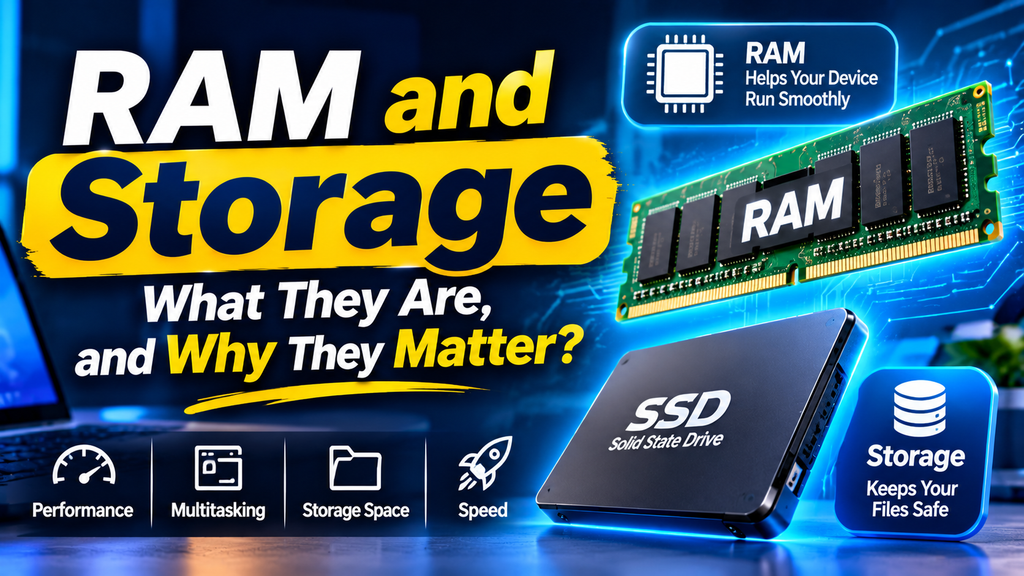
Storage and RAM are two different smartphone specifications, and both are important.
Internal Storage
Storage is where your applications, photos, videos, documents, and other files are saved.
If you regularly record videos or take many pictures, choose a phone with enough internal storage.
For many users, 256GB can be a comfortable starting point, while people with lighter usage may be satisfied with 128GB.
Some Android phones support microSD cards, but many modern flagship devices do not.
RAM
RAM helps a smartphone manage applications and tasks that are running at the same time.
More RAM can be useful for multitasking and demanding applications, but the operating system and processor also affect performance.
Do not choose a smartphone based only on its RAM number. Look at independent performance reviews and real-world testing.
9. Consider 5G and Connectivity Features
Connectivity determines how your smartphone communicates with mobile networks and other devices.
Many buyers now consider 5G support an important feature, particularly if they want faster mobile internet where suitable networks are available.
Other connectivity features to check include:
- 5G network compatibility.
- Wi-Fi standards.
- Bluetooth version.
- NFC support for contactless payments.
- GPS accuracy.
- USB connection and data transfer speed.
- Dual SIM or eSIM support.
Remember that 5G availability depends on your mobile carrier, location, and network coverage.
If you travel internationally, also check whether the smartphone supports the network bands used in the countries you visit.
10. Think About Design, Durability, and Water Resistance
A smartphone is something you carry every day, so comfort and durability matter.
Some phones have large displays and heavy bodies, while others are smaller and easier to hold.
Consider the following before buying:
- Overall weight and thickness.
- Frame and back materials.
- Screen protection.
- Water and dust resistance rating.
- Build quality.
- Repair availability.
- Cost of replacement parts.
Some premium phones have an IP68 rating, but this does not mean they are completely waterproof under every condition.
Water resistance can also become weaker over time due to wear, drops, and repairs.
If you want a phone that lasts several years, consider buying a protective case and screen protector.
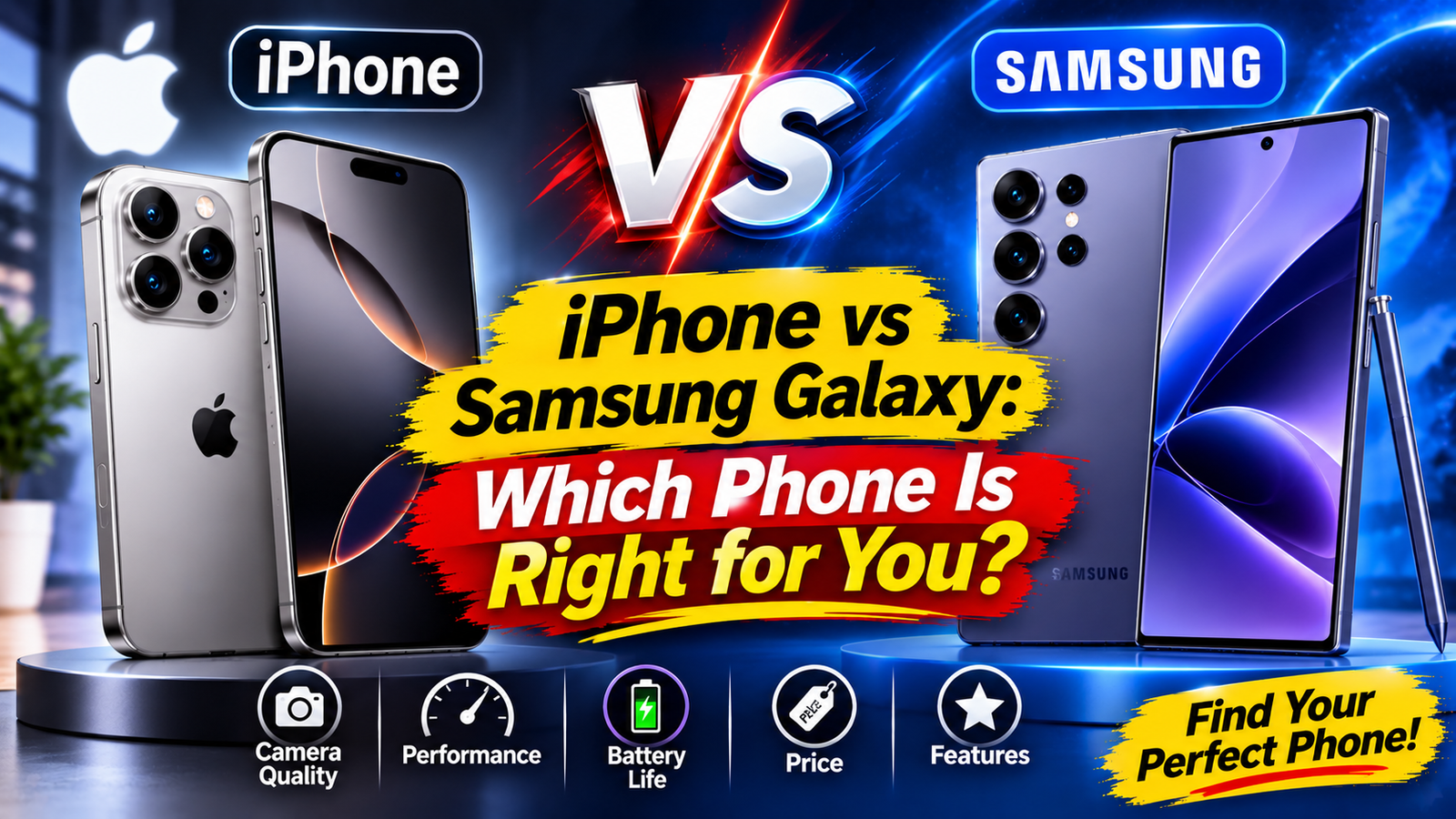
11. Compare iPhone and Android Smartphones
Two major smartphone platforms dominate much of the market: Apple’s iOS and Google’s Android.
Both have advantages, and the right choice depends on your preferences.
iPhone
Apple’s iPhone is known for its iOS operating system, integration with other Apple products, and consistent user experience.
It may be a good choice if you already use a MacBook, iPad, Apple Watch, or AirPods.
Android Smartphones
Android phones are available from manufacturers such as Samsung, Google, OnePlus, Xiaomi, Motorola, and others.
They offer different designs, prices, software experiences, and customization options.
Samsung and Google also provide premium Android devices with advanced cameras and AI features.
Which Should You Choose?
Choose iPhone if you prefer Apple’s ecosystem and iOS experience. Choose Android if you want more device options, different price categories, and greater customization.
Neither operating system is automatically better for everyone.
12. Decide Whether You Need a Foldable Smartphone
Foldable smartphones offer a different experience from traditional smartphones.
Some models open like a small book to provide a larger display, while flip-style devices fold into a more compact shape.
Potential advantages include:
- Larger screens for multitasking.
- More convenient video viewing.
- Compact designs when folded.
- Different ways to use applications.
- Additional productivity options.
However, foldable phones can be more expensive than traditional smartphones.
You should also consider hinge durability, screen protection, repair costs, and battery performance.
If you mainly use your phone for calls, messages, and social media, a traditional smartphone may provide better value.
13. Check the Total Cost Before Buying
The advertised smartphone price is not always the full amount you will spend.
Some additional costs may include:
- Protective case.
- Screen protector.
- Wireless earbuds.
- Charging adapter.
- Extended warranty.
- Insurance.
- Repair and replacement costs.
- Mobile carrier charges.
Some manufacturers do not include a charging adapter in the box, so check what comes with the device.
Also compare prices from authorized retailers and check the warranty conditions.
If you are buying through a monthly payment plan, understand the total amount you will pay rather than focusing only on the monthly installment.
14. Read Reviews and Compare Real-World Tests
Specifications are useful, but they do not tell you everything about a smartphone.
A phone may have impressive numbers on paper but still perform poorly in certain real-world situations.
Before buying, read independent reviews and watch comparison videos from trusted technology reviewers.
Pay attention to:
- Real battery tests.
- Camera samples.
- Gaming performance.
- Heating issues.
- Display brightness.
- Software problems.
- Call quality.
- Long-term user experiences.
Try to compare phones that are in a similar price range.
A slightly older flagship smartphone may sometimes offer better overall value than a brand-new budget device.
15. Should You Buy a New Smartphone or Wait?
This depends on the condition of your current phone and the features you need.
If your current device works properly, receives security updates, and has enough battery life, there may be no reason to replace it immediately.
However, upgrading may make sense if:
- Your phone no longer receives security updates.
- Its battery cannot last through your normal day.
- Applications frequently crash or run slowly.
- The camera no longer meets your needs.
- Your phone has serious hardware damage.
- You need features that your current device does not support.
New smartphone models do not always provide major improvements over previous generations.
Compare the actual differences before spending money on an upgrade.
Best Smartphone Buying Checklist for 2027
Before making your final decision, use this simple checklist:
- Set a realistic budget.
- Compare camera quality and video recording.
- Check real-world battery performance.
- Choose a processor suitable for your needs.
- Compare display size, brightness, and refresh rate.
- Check useful AI features.
- Confirm software update support.
- Choose enough RAM and storage.
- Check 5G and network compatibility.
- Consider durability and repair costs.
- Compare iPhone and Android options.
- Read independent reviews.
- Check warranty and the final price.
Frequently Asked Questions
1. What should I look for when buying a smartphone in 2027?
Focus on camera quality, battery life, processor performance, display quality, storage, software updates, durability, and price. Choose features according to your daily needs.
2. How much RAM is enough for a smartphone in 2027?
The amount of RAM you need depends on your phone’s operating system and usage. Everyday users generally need less RAM than people who play demanding games or multitask heavily. Check real-world performance instead of relying only on specifications.
3. Is 256GB storage enough for a smartphone?
For many users, 256GB provides comfortable storage for applications, photos, videos, and documents. People who record large amounts of high-resolution video may need more.
4. Is 5G important when buying a new phone?
5G can provide faster mobile internet where supported networks are available. If you plan to keep your smartphone for several years, choosing a compatible 5G model may be worthwhile.
5. Are expensive smartphones worth buying?
Premium phones can offer better cameras, displays, performance, and additional features. However, many mid-range smartphones provide enough performance for everyday users at a lower price.
6. Is an older flagship better than a new budget smartphone?
Sometimes. Older flagship phones may offer better cameras, displays, and processors. However, check battery health, warranty, software support, and repair history before buying.
7. Which is better for long-term use, iPhone or Android?
Both can be good long-term choices. Compare the update policy, repair availability, battery replacement costs, and overall condition of the specific model.
8. Should I buy a foldable smartphone in 2027?
A foldable phone may be useful if you want a larger screen or a compact folding design. However, compare its price, durability, screen repair costs, and battery life with traditional smartphones.
Final Thoughts
Choosing the best smartphone in 2027 is not just about buying the newest or most expensive device. It is about finding a phone that matches your budget, lifestyle, and daily requirements.
Compare important features such as camera quality, battery life, performance, display, AI tools, software updates, and durability before making your decision.
Take time to read independent reviews and check the warranty and final price. A smartphone that offers reliable performance and useful features at a reasonable cost can be a much smarter purchase than an expensive device with features you rarely use.
The best smartphone is the one that meets your needs today and continues to provide good value for years to come.