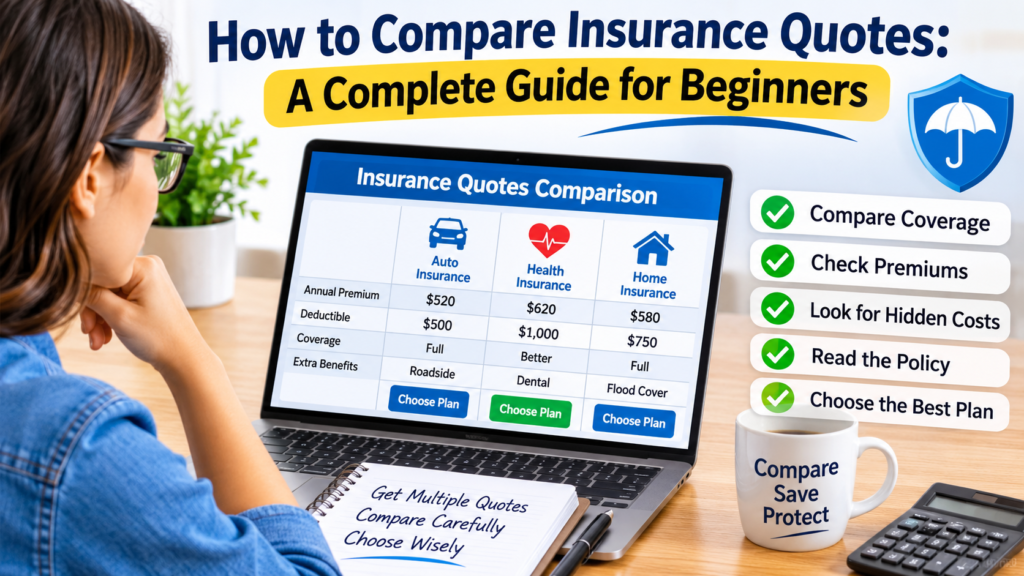

Buying insurance is an important financial decision. Whether you need car insurance, health insurance, home insurance, renters insurance, or business insurance, choosing the right policy can protect you from unexpected expenses.
However, finding the right insurance policy is not always easy. Different insurance companies may offer different prices, coverage options, deductibles, and policy conditions.
This is why comparing insurance quotes before making a decision is so important.
An insurance quote gives you an estimate of how much a company may charge for a particular insurance policy. By comparing quotes from multiple insurers, you can understand your options and find coverage that matches your needs and budget.
In this guide, you will learn how to compare insurance quotes, what details to check, where to find quotes in the USA, and how to avoid common mistakes when choosing an insurance policy.
What Is an Insurance Quote?
Table of Contents
An insurance quote is an estimated price provided by an insurance company for a specific type of coverage.
The quote usually includes information such as:
- Estimated insurance premium.
- Available coverage options.
- Deductible amounts.
- Policy limits.
- Optional coverage.
- Discounts you may qualify for.
For example, if you are shopping for car insurance, one company might offer a quote of $120 per month, while another might offer $145 per month.
Although the first option appears cheaper, it may provide less coverage or have a higher deductible.
That is why you should compare the complete policy details instead of choosing the lowest price immediately.
Why Should You Compare Insurance Quotes?
Comparing insurance quotes can help you make a better financial decision.
Here are some important benefits.
1. Find a Better Price
Insurance companies use different methods to calculate premiums. As a result, two companies may offer different prices for similar coverage.
Getting multiple quotes helps you understand the available price range and identify competitive offers.
2. Compare Coverage Options
Not every insurance policy provides the same protection.
One insurer may include additional benefits, while another may charge extra for those services.
Comparing quotes helps you understand what you are actually purchasing.
3. Avoid Paying for Unnecessary Coverage
Some policies include optional features that may not be relevant to your situation.
By comparing coverage options, you can identify which benefits are useful and which ones you may not need.
4. Understand Deductibles and Policy Limits
A cheap policy may come with a high deductible or lower coverage limits.
Comparing these details helps you understand how much you may need to pay yourself if you file a claim.
5. Choose a Reliable Insurance Company
Price is important, but the company’s reputation and claims-handling process also matter.
Comparing insurers can help you research customer complaints, financial strength, and available customer support.
How to Compare Insurance Quotes: 10 Important Steps
Follow these steps when comparing insurance quotes in the United States.
1. Decide What Type of Insurance You Need
Before requesting quotes, identify the type of insurance you want to purchase.
Different insurance products protect against different financial risks.
For example:
- Car insurance protects against certain vehicle-related losses and liabilities.
- Homeowners insurance protects against covered property losses and certain liabilities.
- Renters insurance can protect personal belongings and provide liability coverage.
- Health insurance helps pay for covered healthcare services.
- Life insurance provides a financial benefit to beneficiaries after the insured person’s death, subject to policy terms.
- Business insurance helps protect businesses against specified risks.
Understanding your needs first makes it easier to compare similar policies.
2. Get Quotes From Multiple Insurance Companies
Do not depend on just one insurance company.
Request quotes from at least three insurers when practical. This gives you a better idea of the prices and coverage options available.
You can get quotes through:
- Official insurance company websites.
- Independent insurance agents.
- Insurance brokers.
- Online comparison marketplaces.
- Direct telephone consultations with insurers.
Make sure you provide accurate and consistent information to each company. Otherwise, the quotes may not be directly comparable.
3. Compare the Coverage Amounts
One of the most important things to check is how much protection each policy provides.
For example, two homeowners insurance quotes may have similar monthly premiums, but one may offer a higher dwelling coverage limit.
Check:
- Maximum coverage amounts.
- Property protection.
- Liability coverage.
- Medical expense coverage, where applicable.
- Additional benefits.
- Special coverage limits.
A lower price is not necessarily a better deal if the policy does not provide enough protection.
4. Check the Deductible
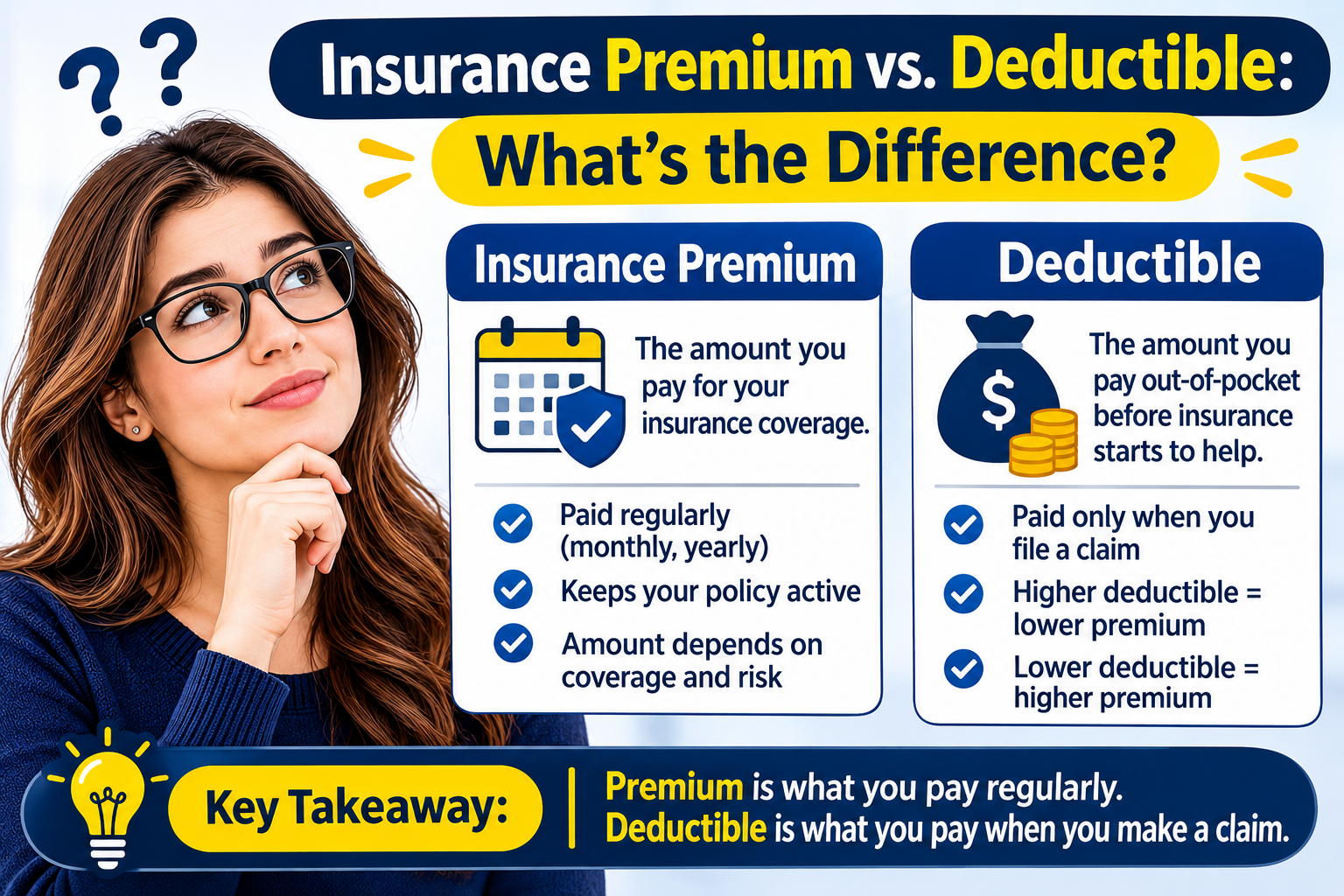
A deductible is the amount you generally pay toward a covered loss before your insurance pays its share, subject to the policy terms.
For example, imagine two car insurance policies:
- Policy A has a $500 deductible.
- Policy B has a $1,500 deductible.
Policy B may have a lower premium, but you would generally pay more out of pocket when making a covered claim.
Choose a deductible that you could realistically afford if an unexpected event happens.
5. Compare Monthly and Annual Premiums
Insurance companies may display prices differently.
Some show monthly payments, while others provide annual or six-month premium estimates.
Compare the total cost over the same period.
For example:
| Insurance option | Monthly premium | Annual cost |
|---|---|---|
| Company A | $100 | $1,200 |
| Company B | $115 | $1,380 |
| Company C | $125 | $1,500 |
In this example, Company A has the lowest estimated annual cost. However, you should still check whether all three policies offer comparable coverage.
Also ask about installment fees, payment charges, and discounts that may affect the final amount.
6. Read the Exclusions Carefully
Insurance exclusions explain what the policy does not cover.
This is an important part of comparing insurance quotes because two policies may look similar but have different exclusions.
For example:
- Some homeowners policies exclude certain types of flood damage.
- Some health insurance plans exclude specific treatments or services.
- Some car insurance policies exclude particular situations or types of damage.
Read the exclusions section before purchasing a policy. If something is unclear, ask the insurance company for an explanation in writing.
7. Check Available Discounts
Many insurance companies offer discounts that can reduce the total premium.
Depending on the insurer and insurance type, discounts may be available for:
- Bundling multiple insurance policies.
- Maintaining a good driving record.
- Installing approved home security systems.
- Choosing eligible safety features.
- Paying the premium in full.
- Meeting certain eligibility requirements.
Ask each insurer which discounts are available and whether they have already been included in your quote.
Do not assume that every advertised discount applies to your situation.
8. Research the Insurance Company’s Reputation
An insurance company should offer more than an attractive price.
You also want to understand how it handles customer questions, policy changes, and insurance claims.
Before choosing a provider, research:
- Customer complaint information.
- Financial strength ratings.
- Claims support.
- Customer service availability.
- Online reviews.
- State licensing information.
You can use the National Association of Insurance Commissioners (NAIC) website to find consumer information and insurance resources.
9. Check the Policy Terms and Conditions
Read the policy documents carefully before accepting a quote.
Pay attention to:
- Policy start and end dates.
- Renewal conditions.
- Cancellation rules.
- Payment requirements.
- Coverage limits.
- Deductibles.
- Exclusions.
- Claim reporting procedures.
A quote is an estimate, not necessarily a guarantee that every detail will remain unchanged. The final premium and coverage depend on the insurer’s underwriting and the policy you purchase.
10. Choose the Best Overall Value
After comparing all the important details, decide which policy offers the best combination of price, protection, and service.
The cheapest option may be suitable for some people, but it may not be the right choice if it provides inadequate coverage.
Think about your financial situation, potential risks, and how much you could afford to pay out of pocket.
The goal is to find insurance that protects you without placing unnecessary pressure on your budget.
Where Can You Compare Insurance Quotes in the USA?
There are several ways to compare insurance quotes in the United States.
1. Official Insurance Company Websites
You can visit insurance companies directly and request quotes online.
Some well-known insurance providers include:
- State Farm
- GEICO
- Progressive
- Allstate
- Nationwide
- Travelers
- Liberty Mutual
Availability and coverage options vary by state and insurance type.
Official websites allow you to review the company’s own products and request information directly.
2. Independent Insurance Agents
Independent agents can help you compare policies from multiple insurance companies they represent.
They may explain coverage differences, answer questions, and help you understand policy options.
Ask which insurers they work with so you know how broad their comparison is.
3. Insurance Brokers
Insurance brokers can help customers find policies from different insurers.
Depending on the type of insurance, they may provide advice about coverage, costs, and policy conditions.
Before working with a broker, ask how they are compensated and whether they have access to multiple insurance providers.
4. Online Insurance Comparison Websites
Some websites allow users to enter their information once and compare insurance options from participating companies.
These platforms can save time, but they may not include every insurer or policy available in your state.
Always verify the final quote and policy details directly with the insurance company before purchasing.
Common Mistakes to Avoid When Comparing Insurance Quotes
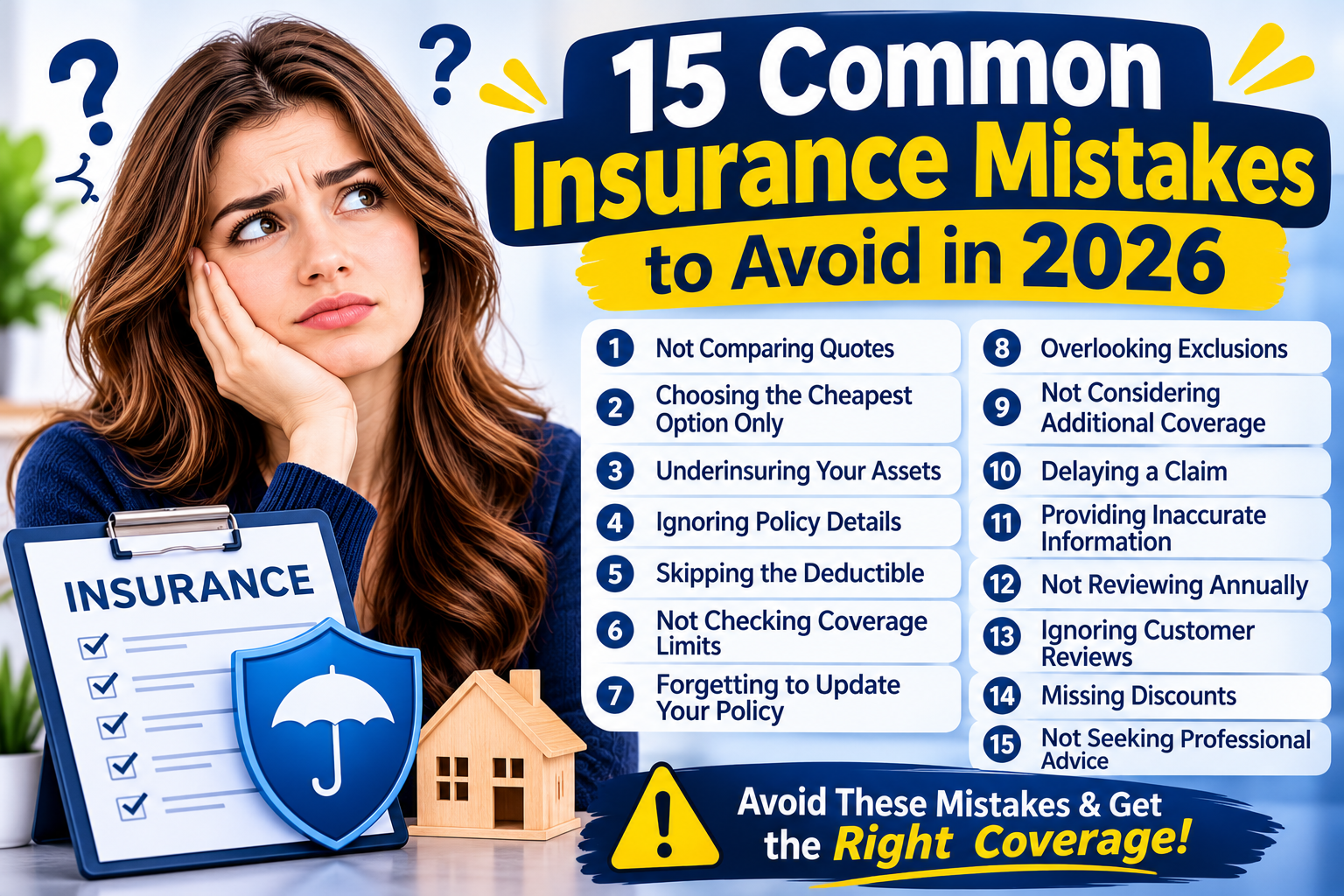
Many people make mistakes when shopping for insurance. Avoid these common problems:
- Choosing only the cheapest quote: A low price may come with limited coverage.
- Comparing different coverage levels: Make sure the policies offer similar protection.
- Ignoring deductibles: A high deductible can create financial pressure after a claim.
- Not reading exclusions: You may discover important limitations only when you need insurance.
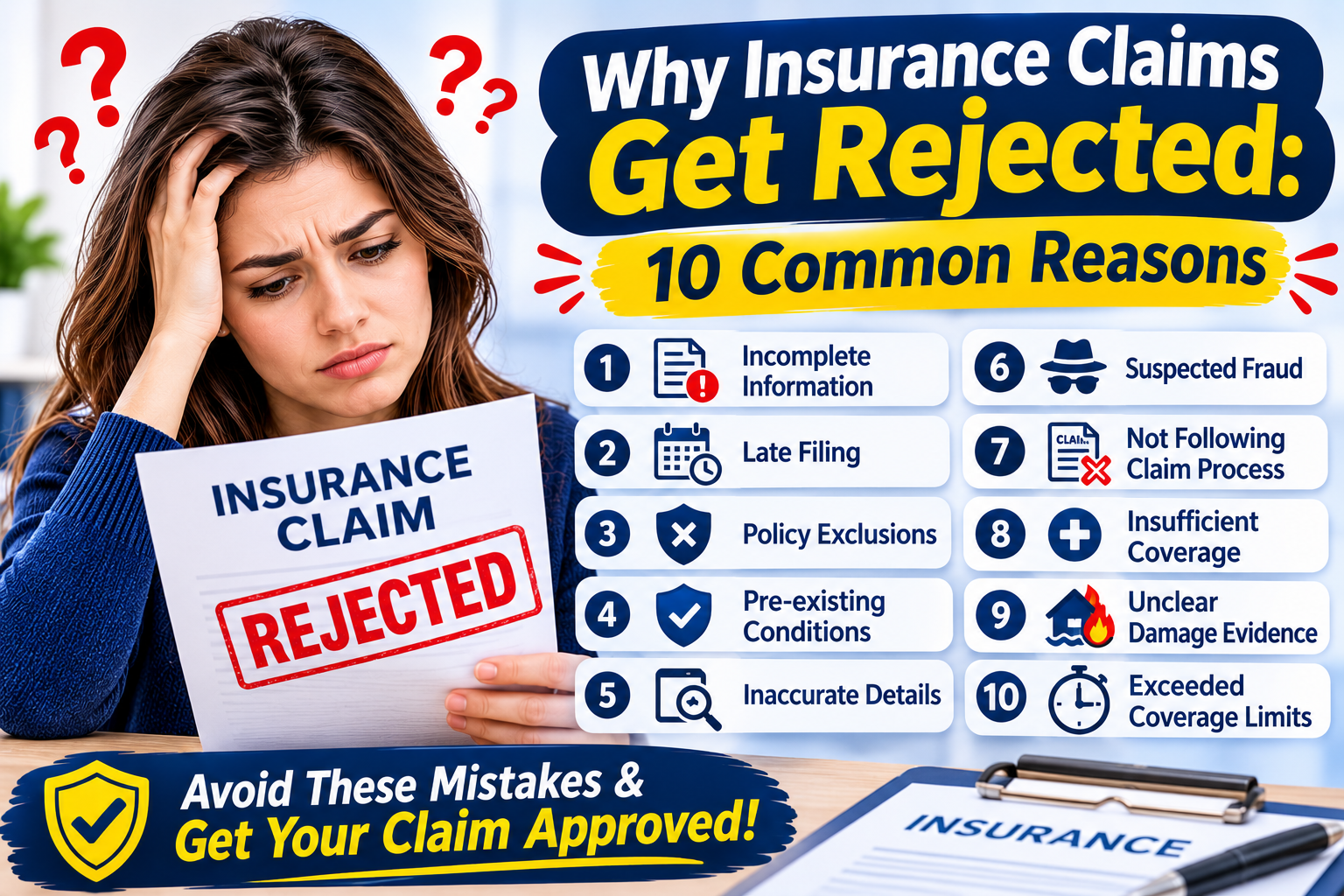
- Providing incorrect information: Inaccurate details can affect the quote and coverage.
- Ignoring company reputation: Claims support and customer service matter.
- Forgetting about discounts: You may qualify for savings that are not included in the first quote.
- Not checking renewal prices: Understand how premiums may change at renewal.
- Ignoring cancellation fees: Check whether ending your existing policy early could cost money.
- Buying without reviewing the policy: Always read the final documents before agreeing.
Insurance Quote Comparison Example
Imagine you are comparing three car insurance quotes with similar basic coverage.
| Details | Company A | Company B | Company C |
|---|---|---|---|
| Monthly premium | $100 | $115 | $125 |
| Deductible | $1,000 | $500 | $500 |
| Annual premium | $1,200 | $1,380 | $1,500 |
Company A offers the lowest monthly price, but it also has a higher deductible.
Company B costs more each month but has a lower deductible. Company C is the most expensive option in this example.
This comparison shows why looking at the premium alone is not enough.
These figures are hypothetical examples, not current market quotes. Actual prices depend on the driver, vehicle, location, coverage, and insurer.
Frequently Asked Questions (FAQs)
1. How many insurance quotes should I compare?
Getting at least three quotes is a useful starting point. Comparing more options may help you understand the market, provided you are comparing similar coverage.
2. Does comparing insurance quotes affect my credit score?
Requesting an insurance quote does not always involve a credit check. However, some insurers use credit-based insurance scores where permitted by state law. Ask the company whether its quote process involves a credit inquiry and how your information will be used.
3. Are online insurance quotes accurate?
Online quotes can provide useful estimates, but the final price may change after the insurance company reviews your information and completes its underwriting process.
4. Should I choose the cheapest insurance quote?
Not necessarily. Compare coverage, deductibles, exclusions, policy limits, and company reputation before making a decision.
5. Can I negotiate an insurance quote?
You can ask an insurer whether it offers additional discounts or alternative coverage options. You can also share competing quotes and ask whether the company can offer a more competitive price. Discounts and flexibility depend on the insurer.
6. How often should I compare insurance quotes?
Consider comparing quotes when your policy approaches renewal, when your circumstances change, or when you believe your current premium is no longer competitive.
7. Is it better to buy insurance directly or through an agent?
Both options can work. Buying directly may be convenient, while an independent agent can help compare policies from the companies they represent. Choose the method that gives you clear information and suitable coverage.
Final Thoughts
Comparing insurance quotes is one of the smartest steps you can take before buying an insurance policy.
Instead of focusing only on the monthly premium, compare coverage amounts, deductibles, exclusions, discounts, and the insurance company’s reputation.
Take your time, request multiple quotes, and read the policy documents carefully.
The right insurance policy is not always the cheapest one. It is the policy that provides suitable financial protection at a price you can afford.
A little research before purchasing insurance can help you avoid unnecessary expenses and make a more confident financial decision.