

Choosing the right insurance policy in the United States is an important financial decision. With so many insurance companies, coverage options, prices, and policy conditions, it can be difficult to know which plan is best.
Some people choose insurance based only on the lowest monthly premium. However, a cheaper policy does not always provide enough protection when an accident, illness, property damage, or unexpected event occurs.
The right insurance policy should offer suitable coverage, reasonable costs, and protection that matches your personal or financial needs.
In this guide, you will learn how to compare insurance policies, understand important terms, avoid common mistakes, and choose suitable coverage in the USA.
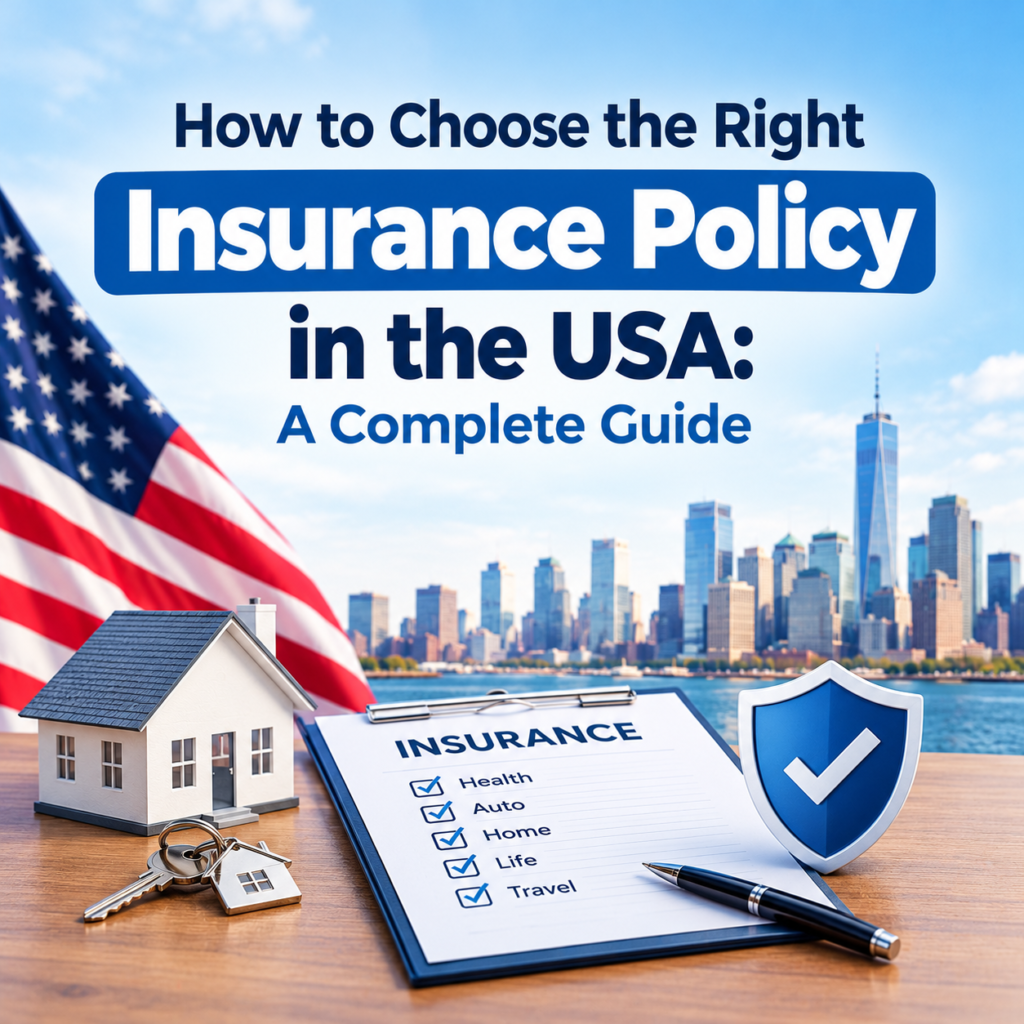
1. Understand What Type of Insurance You Need
Table of Contents
Before comparing insurance companies, identify the type of protection you need.
Different insurance policies protect against different financial risks.
Here are some common types of insurance in the USA:
- Health insurance: Helps pay for eligible medical expenses.
- Auto insurance: Provides financial protection for covered vehicle accidents and other specified losses.
- Homeowners insurance: Protects a home and certain belongings against covered risks.
- Renters insurance: Helps protect personal belongings and provides certain liability coverage.
- Life insurance: Provides a financial benefit to beneficiaries when the insured person dies, subject to policy conditions.
- Business insurance: Helps protect businesses against covered property damage, liability, and other business risks.
You do not necessarily need every type of insurance. Start by identifying the risks that could seriously affect your finances.
2. Compare Coverage, Not Just the Price
One of the biggest mistakes people make is choosing the policy with the lowest premium.
Two insurance policies may have similar monthly prices but very different coverage.
For example, one auto insurance policy may provide higher liability limits, while another may offer lower limits and fewer additional protections.
Before purchasing, compare:
- What events are covered?
- What events are excluded?
- What is the maximum amount the insurer will pay?
- Are there special conditions or limitations?
- Does the policy include additional benefits?
- Are there waiting periods or restrictions?
A policy should provide enough protection for the risks you are trying to manage.
3. Understand the Insurance Premium
A premium is the amount you pay to keep your insurance policy active.
Depending on the policy, payments may be monthly, quarterly, or annually.
When comparing insurance prices, calculate the total annual cost rather than looking only at the monthly payment.
For example:
| Policy | Monthly premium | Annual premium |
|---|---|---|
| Insurance Plan A | $100 | $1,200 |
| Insurance Plan B | $115 | $1,380 |
| Insurance Plan C | $125 | $1,500 |
Plan A has the lowest premium in this example. However, it may not be the best choice if it provides significantly less coverage.
Always compare the price with the benefits and conditions included.
4. Check the Deductible Before Buying
A deductible is the amount you may have to pay yourself before your insurance company pays its share of a covered claim.
For example:
Suppose your covered repair cost is $5,000 and your deductible is $1,000.
You would generally pay the first $1,000, and the insurer would pay the remaining $4,000, subject to the policy terms and coverage limits.
A higher deductible may reduce your premium, but it also increases your potential out-of-pocket expenses.
Choose a deductible that you could realistically afford if you needed to make a claim.
5. Check Coverage Limits
A coverage limit is the maximum amount an insurance company will pay for a covered loss under the policy.
Different policies have different types of limits.
For example:
- Auto insurance may have separate limits for bodily injury and property damage liability.
- Homeowners insurance may have limits for the building, personal belongings, and personal liability.
- Life insurance has a stated death benefit.
- Health insurance policies have different cost-sharing arrangements and covered-service rules.
Do not assume that every expense will be covered simply because you have an insurance policy.
Read the coverage limits carefully and consider whether they are appropriate for your situation.
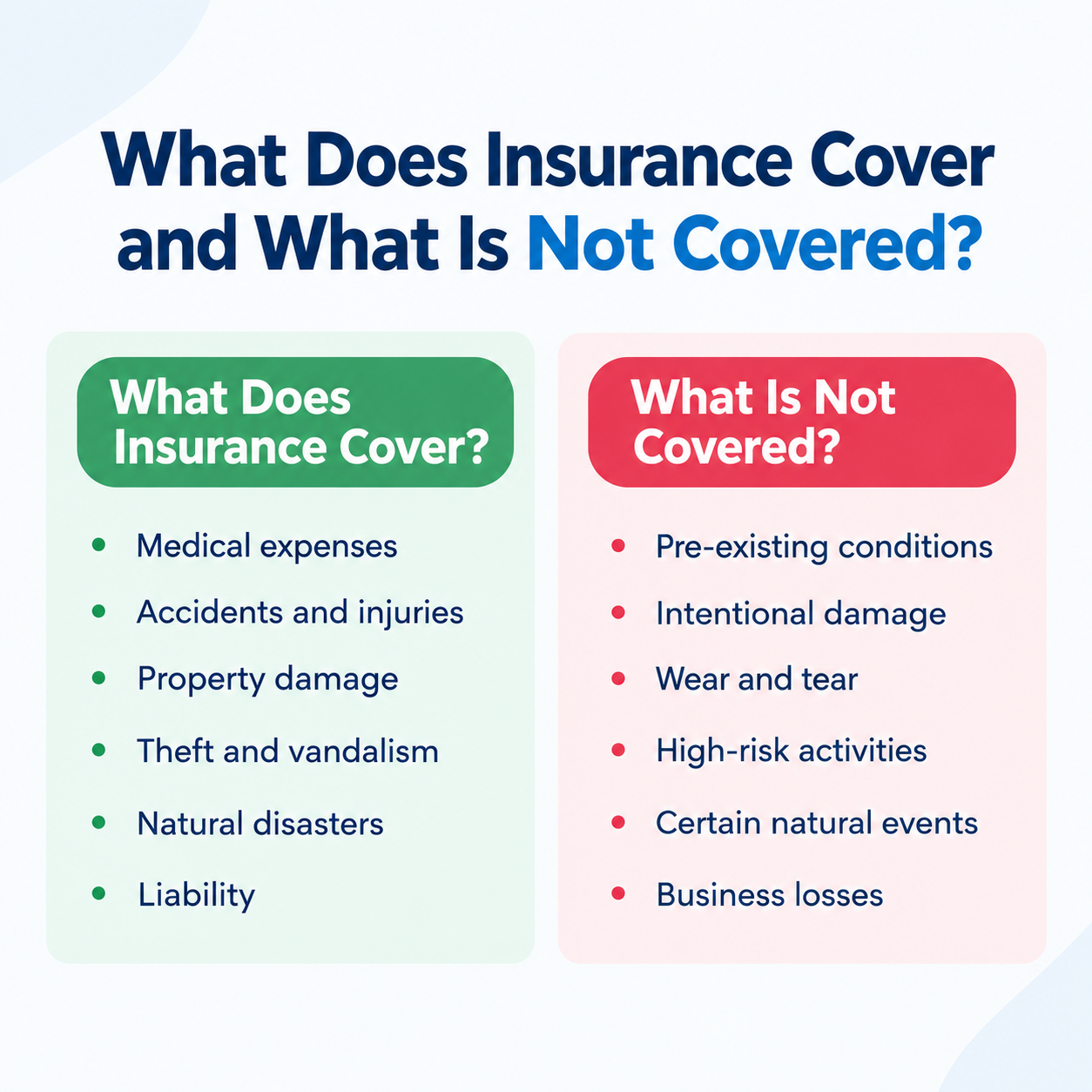
6. Read Policy Exclusions and Restrictions
Exclusions are situations, events, or losses that an insurance policy does not cover.
This is one of the most important sections to review before purchasing insurance.
For example:
- Standard homeowners insurance generally does not cover flood damage.
- Some policies have specific restrictions on certain types of property or activities.
- Health insurance plans may limit coverage to particular provider networks or services.
- Life insurance policies contain specific conditions and exclusions that vary by policy.
If you do not understand an exclusion, ask the insurer or licensed agent to explain it in writing.
Never assume that a particular event is covered without checking the actual policy.
7. Check the Insurance Company’s Reputation
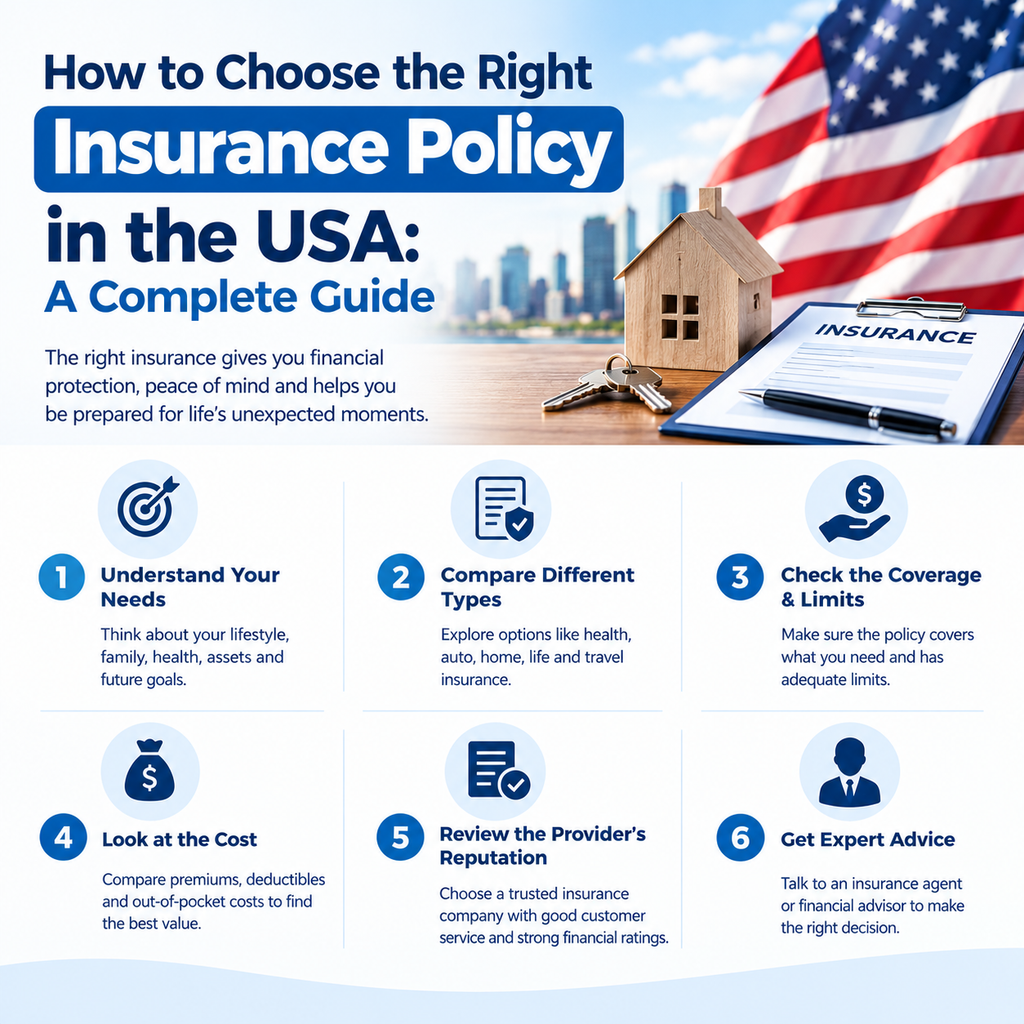
The insurance company matters just as much as the policy.
You want a provider that is properly licensed and financially capable of meeting its obligations under valid policies.
Before purchasing, research the following:
Licensing: Confirm that the insurer is authorized to sell the type of insurance in your state.
Financial strength: Look for information from recognized independent financial rating organizations.
Customer complaints: Check whether the company has a history of complaints involving claims or customer service.
Claims process: Understand how to report a claim and what documents may be required.
You can find your state insurance department through the National Association of Insurance Commissioners:
8. Compare at Least Three Insurance Quotes
Do not purchase the first policy you find.
Request quotes from at least three suitable insurance providers and compare them using the same coverage requirements.
For a fair comparison, check:
| Comparison point | What to review |
|---|---|
| Premium | Total monthly and annual cost |
| Deductible | Amount you pay before insurance pays its share |
| Coverage limits | Maximum amounts payable |
| Exclusions | What is not covered |
| Additional benefits | Extra services or protection |
| Claims support | How claims are handled |
| Company reputation | Licensing, complaints and financial strength |
When possible, request written quotes so you can review the details later.
9. Consider Your Personal and Financial Needs
The right insurance policy is different for every person.
Your decision should reflect your financial responsibilities, assets, family situation, and potential risks.
Ask yourself:
- What would happen financially if I experienced a major loss?
- How much could I afford to pay out of pocket?
- Do I have dependents who rely on my income?
- Do I own a home, car, or business?
- Do I need coverage for specific medical services or prescription drugs?
- Could I comfortably afford the premium over the entire policy period?
These questions can help you identify the coverage that matters most.
10. Avoid These Common Insurance Buying Mistakes
Before purchasing a policy, be aware of these common mistakes:
- Choosing a policy only because it has the lowest premium.
- Ignoring exclusions and limitations.
- Selecting a deductible that is too expensive to afford.
- Buying more coverage than you reasonably need without understanding the cost.
- Failing to verify the insurance company’s license.
- Providing incorrect information during the application process.
- Not checking renewal conditions and possible premium changes.
- Assuming that every claim will automatically be approved.
Take time to understand the policy before signing or paying.
11. Review Your Insurance Policy Regularly
Your insurance needs can change over time.
You may move to another state, purchase a new vehicle, buy a home, start a business, or experience changes in your family or income.
These changes may affect the coverage you need.
Review your insurance policies at least once a year and whenever an important life or financial change occurs.
Check whether your coverage limits, beneficiaries, contact information, and other policy details are still correct.
Frequently Asked Questions
How do I choose the best insurance policy in the USA?
Start by identifying the type of protection you need. Then compare coverage, premiums, deductibles, exclusions, limits, and insurance company reliability before making a decision.
Should I always choose the cheapest insurance policy?
No. A low premium may come with higher deductibles, lower coverage limits, or more exclusions. Compare the overall protection and potential costs before choosing.
How many insurance quotes should I compare?
Comparing at least three quotes is a useful starting point. Make sure the policies have similar coverage so you can evaluate their prices fairly.
What is more important, premium or deductible?
Both matter. The premium affects your regular expenses, while the deductible affects how much you may pay when making a covered claim. Choose a balance that fits your budget.
How can I check whether an insurance company is licensed?
Contact your state insurance department or use its official company and agent lookup tools. The NAIC website can help you find your state’s insurance department.
Can I change my insurance policy after purchasing it?
In many cases, you can request changes to your coverage. However, changes may affect your premium, eligibility, or policy terms. Contact your insurer to understand the available options.
Final Thoughts
Choosing the right insurance policy in the USA requires more than comparing monthly prices.
You should understand what the policy covers, how much protection it provides, what you must pay yourself, and which situations are excluded.
Compare multiple quotes, verify the insurance provider, and read the policy documents carefully.
A suitable insurance policy can help protect your finances when unexpected events occur. Taking time to research your options today may help you avoid costly surprises in the future.



Pingback: Insurance Coverage: What Is Covered and What Is Not?