
Running a small business can be exciting, but it also comes with financial responsibilities and unexpected risks. Business owners invest their time, money, and effort into building successful companies. However, accidents, property damage, customer complaints, employee injuries, and legal claims can create serious financial problems.
Small business insurance helps protect companies against certain unexpected financial losses. It provides coverage for different risks depending on the insurance policies a business purchases. Whether you operate a retail store, restaurant, construction company, consulting agency, cleaning service, or online business, having appropriate insurance can help protect your business operations and financial future.
Many business owners believe insurance is only necessary for large companies. In reality, small businesses can face significant financial challenges from a single accident or unexpected event. Understanding different insurance options can help business owners make informed decisions and avoid unnecessary expenses.
In this guide, we will explain small business insurance, its importance, the different types of coverage available, insurance costs, and how to choose the right policy for your company.
What Is Small Business Insurance?
Table of Contents
Small business insurance refers to different insurance policies designed to protect businesses against financial risks. These policies can help cover eligible expenses resulting from accidents, property damage, lawsuits, employee injuries, cyberattacks, and other covered events.
For example, imagine you own a small grocery store. One day, a customer slips on a wet floor and suffers an injury. The customer may file a claim against your business for medical expenses and other damages. General liability insurance may help cover eligible legal expenses and claims according to your policy.
Similarly, if a fire damages your business equipment, commercial property insurance may help pay for repairs or replacement costs.
Small business insurance is not a single policy that covers every possible risk. Instead, business owners can choose different types of coverage based on their industry, business activities, number of employees, location, and financial responsibilities.
Why Is Small Business Insurance Important?

Every business faces risks, even if it operates with only a few employees or serves a small number of customers. Unexpected problems can happen at any time, and their financial consequences can be difficult to manage.
Here are some important reasons why small business insurance matters.
Protects Against Unexpected Financial Losses
A business may experience unexpected events such as fires, theft, accidents, equipment damage, or natural disasters. These incidents can create expensive repair and replacement costs.
Insurance can help cover eligible financial losses and reduce the pressure on business owners.
Helps Cover Legal Expenses
Customers, suppliers, employees, or other parties may file legal claims against a business. Defending a lawsuit can involve expensive legal fees, settlements, and other costs.
Certain liability insurance policies can help cover eligible legal expenses and claims.
Protects Business Property and Equipment
Many small businesses depend on computers, furniture, machinery, inventory, tools, and commercial buildings.
Commercial property insurance can help protect eligible business property against covered events such as fire, theft, and certain weather-related damage.
Provides Protection for Employees
Businesses with employees may need workers’ compensation insurance. This coverage can help pay for medical treatment and lost wages when employees experience qualifying work-related injuries or illnesses.
It can also help employers meet applicable legal requirements.
Helps Maintain Business Operations
A major accident or disaster may force a business to close temporarily. Business interruption insurance can help replace certain lost income and cover eligible continuing expenses during a covered interruption.
This support can help businesses recover and continue operating after unexpected problems.
Types of Small Business Insurance Coverage
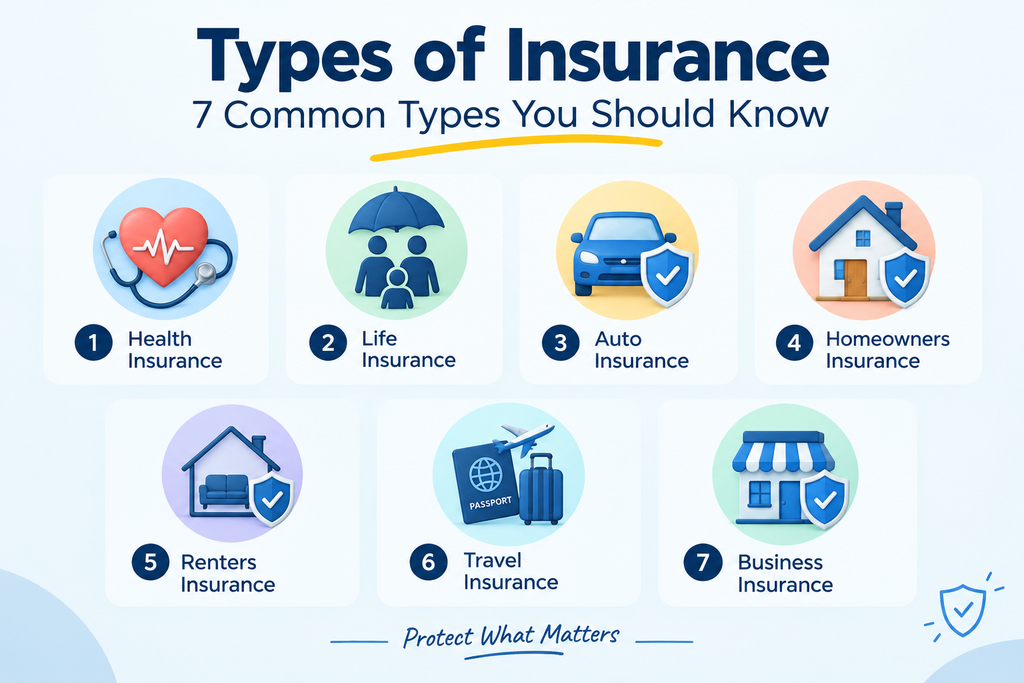
Different businesses face different risks, which is why several types of insurance coverage are available. Understanding these options can help you decide which policies are appropriate for your company.
1. General Liability Insurance
General liability insurance is one of the most common insurance policies purchased by small businesses. It generally protects businesses against certain third-party claims involving bodily injuries, property damage, and personal or advertising injury.
For example, if a customer visits your restaurant, slips on a wet floor, and gets injured, the customer may file a claim against your business. General liability insurance may help cover eligible medical expenses and legal defense costs.
This insurance is particularly useful for retail stores, restaurants, cleaning companies, contractors, small offices, and other businesses that regularly interact with customers.
2. Commercial Property Insurance
Commercial property insurance helps protect physical business assets against covered losses.
These assets may include commercial buildings, office furniture, computers, machinery, inventory, equipment, and business supplies.
For example, if a fire damages your clothing store and destroys some of your inventory, commercial property insurance may help pay for eligible repairs and replacements.
This coverage is important for businesses that own or rent commercial spaces and depend on physical assets to operate.
3. Professional Liability Insurance
Professional liability insurance is also known as errors and omissions insurance. It helps protect businesses that provide professional services, advice, or specialized knowledge against certain claims involving mistakes, negligence, or inadequate work.
For example, a marketing consultant may provide incorrect advice that causes financial losses for a client. The client may file a legal claim against the consultant.
Professional liability insurance may help cover eligible legal defense expenses and other covered costs.
This policy is particularly useful for consultants, accountants, marketing agencies, IT professionals, business advisors, designers, and freelancers.
4. Workers’ Compensation Insurance
Workers’ compensation insurance helps protect employees and employers when a worker suffers a qualifying injury or illness related to their job.
Depending on the applicable law and policy, it may cover medical treatment, rehabilitation expenses, and a portion of lost wages.
For example, if a warehouse employee injures their back while lifting heavy equipment, workers’ compensation insurance may help pay for eligible medical expenses and lost wages.
Many US states require businesses with employees to carry workers’ compensation insurance, although specific requirements vary by state and business circumstances.
5. Business Interruption Insurance
Business interruption insurance helps replace certain lost business income when a covered event forces a company to temporarily stop or reduce its operations.
For example, imagine a restaurant experiences significant fire damage and must close for several weeks while repairs are completed. During this period, the business may lose its regular income while still having expenses such as rent and certain employee costs.
Business interruption insurance may help cover eligible lost income and continuing operating expenses, subject to the policy terms.
This coverage is often included in or added to a commercial property policy.
6. Commercial Auto Insurance
Businesses that use vehicles for deliveries, transportation, sales visits, or other commercial activities may need commercial auto insurance.
Personal auto insurance may not provide sufficient protection for vehicles used regularly for business purposes.
Commercial auto insurance may cover certain vehicle-related accidents, bodily injuries, property damage, and other covered losses.
This policy is particularly useful for delivery companies, transportation businesses, construction contractors, sales representatives, and companies with business-owned vehicles.
7. Cyber Liability Insurance
Cyber liability insurance helps protect businesses against certain financial losses resulting from cyberattacks, data breaches, ransomware incidents, and other digital security problems.
Many small businesses store customer information, payment details, employee records, and confidential documents online. If hackers gain access to this information, the company may face investigation costs, customer notification expenses, legal claims, and recovery expenses.
Cyber liability insurance may help cover eligible costs depending on the policy.
It is especially important for online stores, digital marketing agencies, financial service providers, and businesses that collect or store sensitive customer information.
8. Product Liability Insurance
Product liability insurance helps protect businesses against certain claims involving injuries or property damage caused by products they manufacture, distribute, or sell.
For example, if a customer purchases an electronic device from your store and the product causes an injury because of a defect, the customer may file a claim against the manufacturer or seller.
Product liability coverage may help cover eligible legal defense expenses and other covered costs.
This insurance is particularly useful for manufacturers, wholesalers, distributors, retailers, and businesses selling physical products.
9. Business Owner’s Policy (BOP)
A Business Owner’s Policy, commonly called a BOP, combines multiple types of business insurance coverage into one package.
A standard BOP typically includes general liability insurance, commercial property insurance, and business interruption coverage.
For example, a small restaurant may purchase a BOP to protect its business property, equipment, furniture, and certain liability risks.
A BOP can be convenient for small business owners because it combines several important protections into one insurance package. However, it does not automatically include every type of business insurance. Workers’ compensation, commercial auto, and professional liability may need to be purchased separately.
10. Commercial Umbrella Insurance
Commercial umbrella insurance provides additional liability protection when the limits of certain underlying insurance policies are exhausted.
For example, imagine your business has a general liability policy with a $1 million coverage limit. If a covered claim exceeds that limit, a commercial umbrella policy may help cover eligible additional expenses.
This type of coverage can be useful for businesses with significant customer interaction, valuable assets, large contracts, or higher liability risks.
How Much Does Small Business Insurance Cost?
The cost of small business insurance varies depending on the company’s activities, size, location, coverage requirements, and potential risks.
A small online consulting business may pay a different premium than a construction company or restaurant because each business has different insurance needs.
Several factors influence the cost of business insurance.
Type of Business
The industry in which your company operates is one of the important factors affecting insurance costs.
For example, construction companies may face higher risks involving workplace accidents and property damage than businesses that provide online consulting services.
Business Location
Insurance prices can vary depending on the state, city, local regulations, weather conditions, crime rates, and other regional risks.
Number of Employees
Businesses with more employees may have higher workers’ compensation expenses and other insurance requirements.
The type of work employees perform can also affect premiums.
Annual Revenue
Insurance companies may consider annual business revenue when calculating premiums and evaluating potential risks.
Businesses with higher revenue may require different coverage limits.
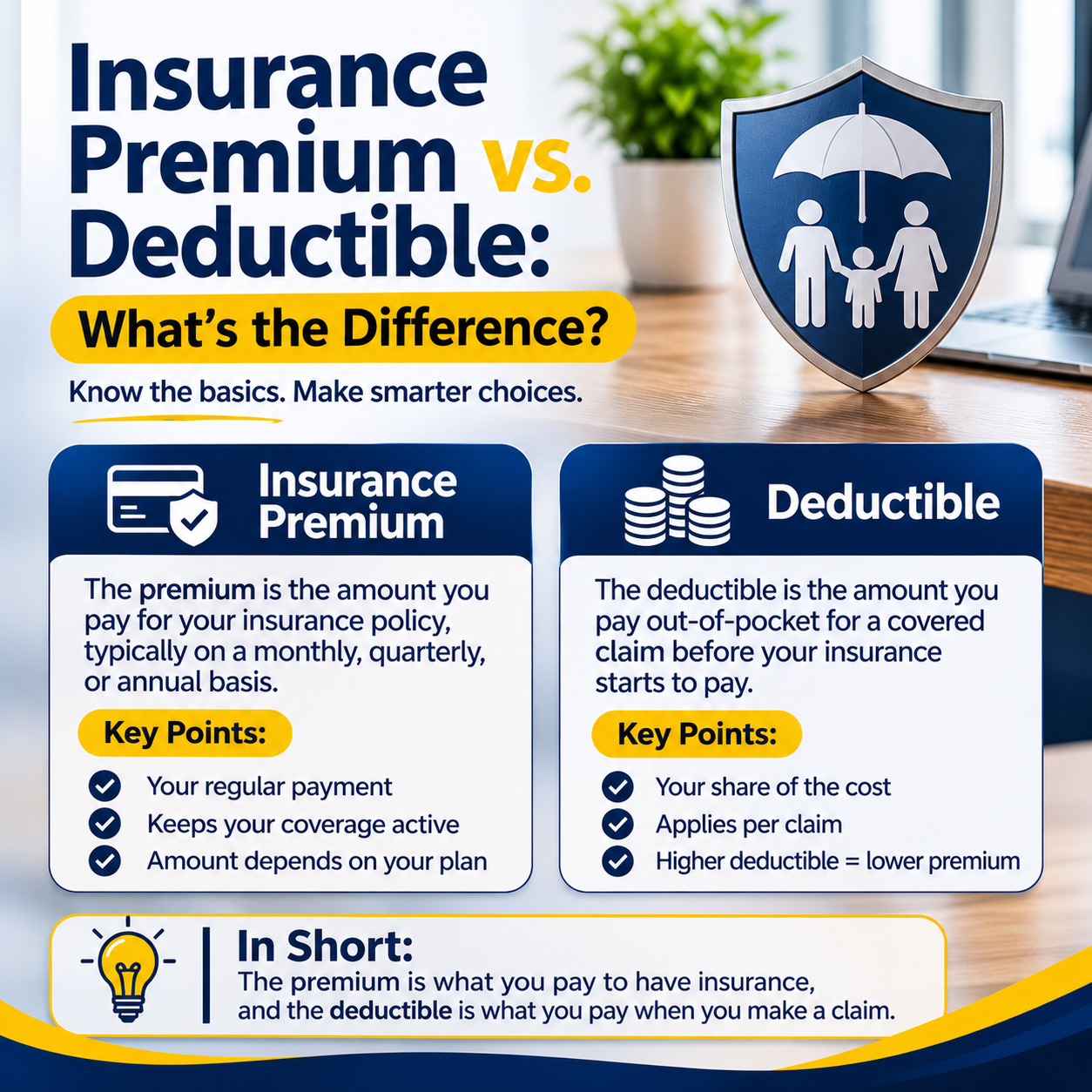
Coverage Limits and Deductibles
Higher coverage limits generally increase insurance premiums. Deductibles also influence costs because they determine how much the business must pay before insurance coverage applies to an eligible claim.
Claims History
Businesses with previous insurance claims may face higher premiums depending on the type and frequency of claims.
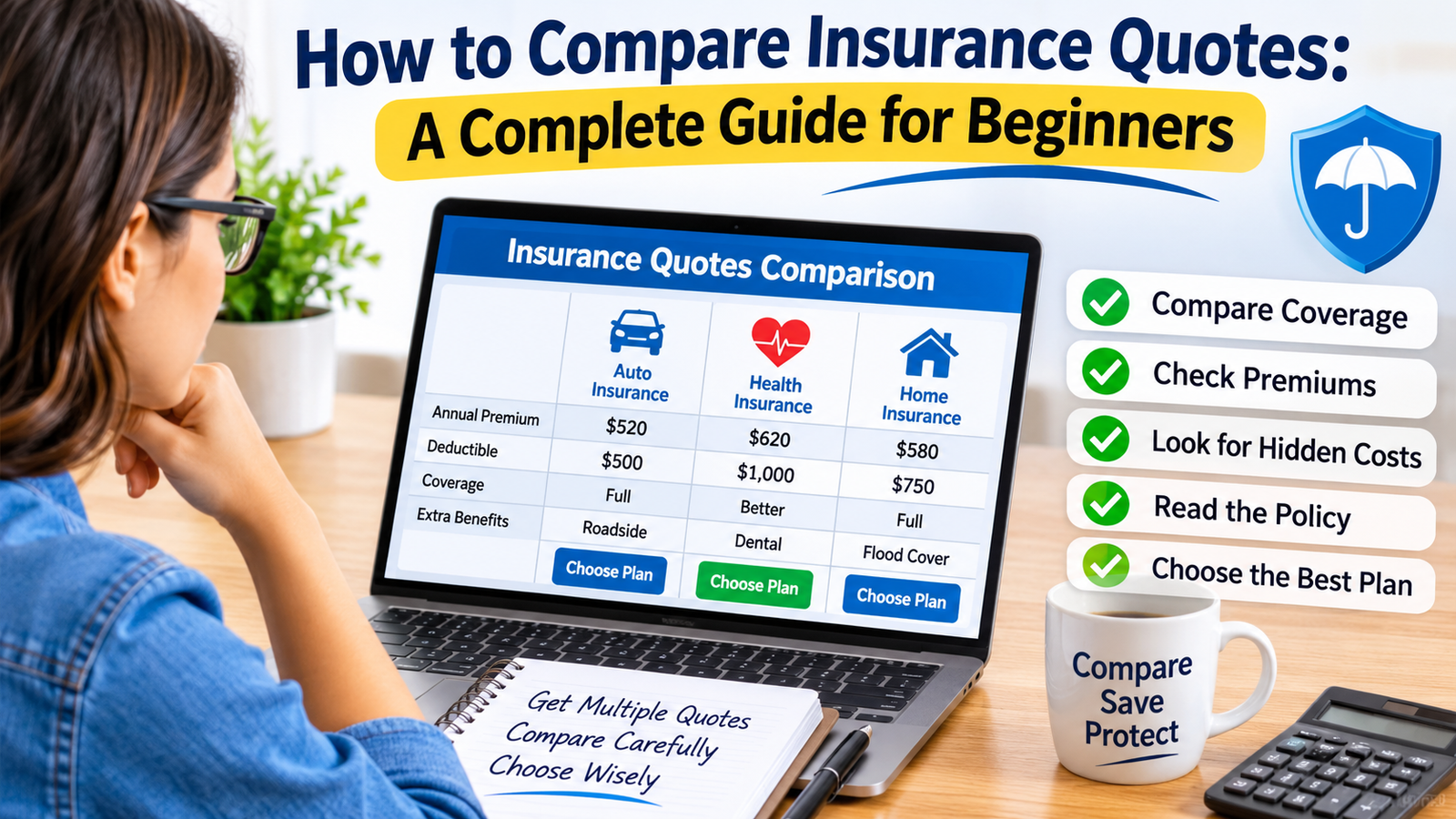
To find the right price, request quotes from multiple insurance providers and compare the coverage, deductibles, limits, and exclusions rather than selecting a policy based only on its price.
How to Choose the Right Small Business Insurance
Choosing suitable business insurance requires understanding the risks associated with your daily operations. Not every business needs every type of insurance policy, so it is important to focus on coverage that matches your company’s activities.
1. Identify Your Business Risks
Start by identifying the situations that could create financial problems for your business.
For example, a restaurant may need protection against customer injuries, kitchen fires, food-related liability claims, and equipment damage.
An online business may have greater concerns about cyberattacks, customer information, and professional liability.
Understanding your risks will help you select appropriate insurance coverage.
2. Check Legal Insurance Requirements
Some types of business insurance are required by law, depending on your location, industry, and business structure.
For example, many US states require employers to carry workers’ compensation insurance when they hire employees.
Check the applicable insurance regulations before starting or expanding your business to avoid legal problems and potential penalties.
3. Compare Multiple Insurance Companies
Do not purchase the first policy you find without comparing other options.
Request quotes from different insurance providers and carefully review their coverage limits, deductibles, exclusions, and customer service.
A cheaper insurance policy may not provide enough protection for your business.
4. Understand Policy Exclusions
Every insurance policy has limitations and exclusions.
For example, standard general liability insurance typically does not cover employee injuries, damage to your own business property, or professional mistakes.
You may need separate policies to protect against these risks.
Always read the policy documents carefully before purchasing coverage.
5. Choose Suitable Coverage Limits
Coverage limits determine the maximum amount an insurance company may pay for covered claims.
Consider your business assets, financial responsibilities, contracts, and potential risks when selecting coverage limits.
Choosing limits that are too low may leave your business financially exposed.
6. Review Your Insurance Regularly
Your insurance requirements may change as your company grows.
You might hire additional employees, purchase expensive equipment, open another location, increase inventory, or introduce new services.
Review your insurance coverage regularly to make sure it continues to match your business operations.
Where Can You Buy Small Business Insurance?
Small business owners in the United States have several options for purchasing insurance coverage.
You can buy insurance directly from an insurance company, work with an independent insurance agent, or use an online insurance marketplace.
Some well-known insurance providers offering business insurance include:
The Hartford: Offers different commercial insurance products and coverage options for small businesses.
Hiscox: Provides business insurance solutions, including professional liability and general liability coverage.
NEXT Insurance: Offers online business insurance solutions for different industries and professions.
Nationwide: Provides commercial insurance products for businesses with different coverage requirements.
State Farm: Offers business insurance options through its insurance agents.
Before purchasing a policy, compare prices, coverage options, exclusions, policy limits, and customer support. Make sure the provider offers coverage suitable for your business industry and location.
Common Small Business Insurance Mistakes to Avoid
Many business owners make insurance mistakes because they focus only on reducing expenses or do not fully understand their policies.
Avoiding these mistakes can help you make better insurance decisions.
Choosing Insurance Based Only on Price
The cheapest insurance policy may have limited coverage, higher deductibles, or important exclusions. Always compare the protection offered rather than looking only at the monthly or annual premium.
Ignoring Professional Liability Insurance
Businesses that provide consulting, marketing, accounting, design, or other professional services may face claims involving mistakes or inadequate work.
Ignoring professional liability coverage could expose these businesses to unexpected legal expenses.
Assuming Homeowners Insurance Covers Everything
Standard homeowners insurance may provide limited protection for business property and activities.
Home-based business owners should review their coverage and consider suitable business insurance if they use their homes for commercial activities.
Not Updating Insurance Policies
Failing to update coverage after hiring employees, purchasing equipment, expanding operations, or increasing inventory can leave important business risks uninsured.
Ignoring Policy Exclusions
Not understanding what an insurance policy excludes can lead to unexpected expenses when filing a claim.
Always review the policy wording and ask your insurance provider to explain anything you do not understand.
Buying Unnecessary Coverage
Purchasing policies that do not match your business activities can increase expenses without providing meaningful protection.
Choose insurance based on your actual business risks and legal requirements.
Frequently Asked Questions About Small Business Insurance
Is Small Business Insurance Required by Law?
Some types of business insurance are legally required, depending on the state, industry, and business activities. Workers’ compensation insurance is a common example for businesses with employees. Other policies may be required by landlords, lenders, or client contracts.
What Insurance Does a Small Business Need First?
Many small businesses should start by evaluating general liability and commercial property insurance. Businesses with employees, professional services, company vehicles, or customer data may need additional coverage.
The right combination depends on the company’s specific risks and legal requirements.
Can I Get Small Business Insurance If I Work From Home?
Yes. Home-based businesses can purchase suitable business insurance. Depending on their activities, they may need general liability, professional liability, commercial property, or cyber liability insurance.
Does Small Business Insurance Cover Employee Injuries?
Workers’ compensation insurance is designed to cover eligible medical expenses and lost wages resulting from qualifying work-related injuries or illnesses. General liability insurance generally does not cover employee workplace injuries.
Can I Combine Different Business Insurance Policies?
Yes. Many insurance companies offer a Business Owner’s Policy (BOP), which combines general liability, commercial property, and business interruption coverage into one package.
Additional policies may be purchased separately when required.
How Often Should I Review My Business Insurance?
You should review your insurance coverage at least once a year and whenever your business experiences significant changes, such as expansion, hiring employees, purchasing equipment, or introducing new services.
Does Small Business Insurance Cover Theft?
Commercial property insurance may cover theft of eligible business property, equipment, and inventory, depending on the policy terms and exclusions. Business owners should check their policy to understand exactly what is protected.
Can a New Business Purchase Insurance?
Yes. New businesses can purchase insurance even if they have recently started operations. Insurance companies may ask about the business type, location, expected revenue, employees, and activities before providing a quote.
Final Thoughts
Small business insurance is an important part of protecting your company’s financial future. Unexpected accidents, lawsuits, property damage, cyberattacks, and employee injuries can create significant expenses that many small businesses cannot easily afford.
Understanding different insurance policies helps business owners identify potential risks and select suitable protection. General liability, commercial property, professional liability, workers’ compensation, cyber liability, and business interruption insurance are among the important coverage options to consider.
Remember that every business has different insurance requirements. Take time to evaluate your risks, compare insurance providers, understand policy exclusions, and choose coverage that matches your operations and budget.
Investing in the right insurance protection today can help your business remain financially stable and better prepared for unexpected challenges tomorrow.