

Starting and running a small business takes time, money, and hard work. Whether you own a retail store, restaurant, online business, consulting company, or home-based business, unexpected problems can affect your operations and finances.
A customer could get injured at your workplace, a fire could damage your equipment, or an employee could experience a work-related injury. Without proper protection, these situations may create significant financial problems.
This is where business insurance for small businesses becomes important. It helps protect business owners against certain financial losses, legal claims, property damage, and other risks, depending on the policy.
In this guide, you will learn what small business insurance is, which types of coverage are available, how much it may cost, and how to choose the right policy.
What Is Business Insurance for Small Businesses?
Table of Contents
Business insurance is a group of insurance policies designed to protect companies against financial risks associated with their operations.
It can help cover expenses resulting from covered accidents, lawsuits, property damage, employee injuries, and unexpected business interruptions.
For example, imagine you own a small clothing store. A customer slips on a wet floor and gets injured. The customer may make a claim against your business. If you have suitable general liability insurance, your policy may help cover eligible medical expenses and legal costs.
The exact protection depends on your policy terms, coverage limits, exclusions, and deductible.
Why Do Small Businesses Need Insurance?
Small businesses often operate with limited budgets. A single unexpected incident can create expenses that are difficult to manage.
Here are some important reasons to consider business insurance:
1. Protection Against Lawsuits
Customers, suppliers, or other third parties may make legal claims against your business. General liability insurance can help cover certain bodily injury and property damage claims, including eligible legal defense costs.
2. Protection for Business Property
Your business may depend on computers, furniture, machinery, inventory, and other equipment. Commercial property insurance can help protect eligible physical assets against covered events such as fire or theft.
3. Employee Protection
Employees may experience accidents or work-related illnesses while performing their duties. Workers’ compensation insurance can help cover eligible medical expenses and lost wages, subject to applicable laws and policy rules.
4. Business Continuity
A covered event may force your business to close temporarily. Business interruption insurance may help replace lost income and cover certain ongoing expenses during the recovery period.
5. Professional Protection
If your business provides professional advice or services, a client may claim that your work caused financial harm. Professional liability insurance can help protect against certain claims involving mistakes, negligence, or failure to deliver professional services.
Types of Business Insurance for Small Businesses
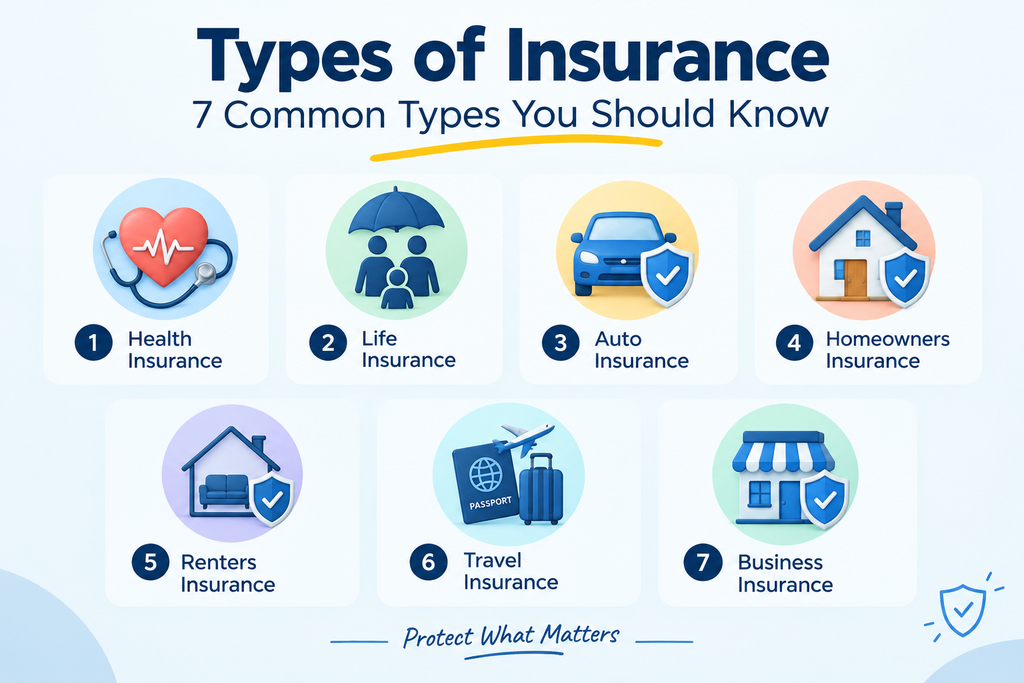
There are several types of business insurance. The right coverage depends on your industry, business size, employees, property, and potential risks.
1. General Liability Insurance
General liability insurance is one of the most common policies for small businesses.
It generally helps protect against certain third-party claims involving:
- Bodily injuries at your business location.
- Damage to another person’s property.
- Certain personal and advertising injury claims.
- Eligible legal defense expenses.
For example, if a customer visits your shop and gets injured after slipping on the floor, general liability insurance may help cover the claim.
2. Commercial Property Insurance
Commercial property insurance protects eligible physical assets used in your business.
Depending on the policy, covered property may include:
- Business buildings.
- Office furniture.
- Computers and electronic equipment.
- Machinery and tools.
- Business inventory.
- Supplies and equipment.
It may cover certain losses caused by events such as fire, theft, vandalism, or storms. However, not every type of damage is automatically covered.
3. Workers’ Compensation Insurance
Workers’ compensation insurance is designed to help employees who experience work-related injuries or illnesses.
Depending on state law and the policy, it may cover:
- Medical treatment.
- Rehabilitation expenses.
- A portion of lost wages.
- Certain work-related disability benefits.
Many U.S. states require employers to carry workers’ compensation insurance. Requirements and exemptions vary by state, so business owners should check their state’s rules.
4. Professional Liability Insurance
Professional liability insurance is especially important for businesses that provide services, advice, or professional expertise.
It may help cover claims involving:
- Professional mistakes.
- Negligence.
- Incorrect advice.
- Failure to deliver promised services.
- Certain errors or omissions.
Consultants, accountants, designers, marketing agencies, and other professional service providers may benefit from this coverage.
5. Business Interruption Insurance
Business interruption insurance may help replace lost business income when a covered event forces operations to stop temporarily.
For example, if a fire damages your shop and you cannot serve customers while repairs are completed, this coverage may help with eligible lost income and certain continuing expenses.
Coverage usually depends on the cause of the interruption, waiting periods, policy limits, and other conditions.
6. Commercial Auto Insurance
If your business owns or uses vehicles for work, commercial auto insurance may be necessary.
It can provide coverage for certain vehicle-related risks, including:
- Business vehicle accidents.
- Third-party bodily injury claims.
- Damage to other people’s property.
- Certain damage to covered business vehicles.
A personal auto insurance policy may not cover every type of business use. Check with your insurer before using a personal vehicle for business activities.
7. Cyber Liability Insurance
Many small businesses store customer information, accept online payments, and use digital systems.
Cyber liability insurance may help with certain financial losses related to cyber incidents, such as data breaches, hacking, and other covered security events.
It may be useful for online stores, digital agencies, technology companies, and businesses that handle sensitive customer information.
8. Product Liability Insurance
If your business manufactures, distributes, or sells products, product liability insurance may help protect against certain claims involving products that allegedly cause injury or property damage.
For example, a customer may claim that a defective product caused an injury. This coverage may help with eligible legal expenses and covered claims.
What Is a Business Owner’s Policy (BOP)?
A Business Owner’s Policy, commonly known as a BOP, combines several types of business insurance into one package.
A standard BOP typically includes:
- General liability insurance.
- Commercial property insurance.
- Business interruption or business income coverage.
For many eligible small businesses, a BOP can be a convenient way to purchase multiple coverages together.
However, a BOP does not automatically include every type of insurance. Workers’ compensation, commercial auto, professional liability, and cyber insurance may need to be purchased separately.
Not every business qualifies for a BOP, and coverage varies between insurers.
How Much Does Small Business Insurance Cost?
The cost of business insurance depends on several factors. There is no single price that applies to every small business.
Some of the main factors affecting insurance premiums include:
- Type of business: A construction company may face different risks from an online consulting business.
- Business location: Insurance costs can vary depending on the state, local risks, and property location.
- Number of employees: More employees may increase certain insurance costs.
- Annual revenue: Some policies use revenue or payroll estimates when calculating premiums.
- Coverage limits: Higher coverage limits may result in higher premiums.
- Claims history: Previous insurance claims can affect pricing.
- Business property: The value of buildings, equipment, and inventory may influence property insurance costs.
To understand the actual cost, request quotes from multiple licensed insurance providers and compare the coverage rather than choosing only the cheapest option.
How to Choose the Right Business Insurance
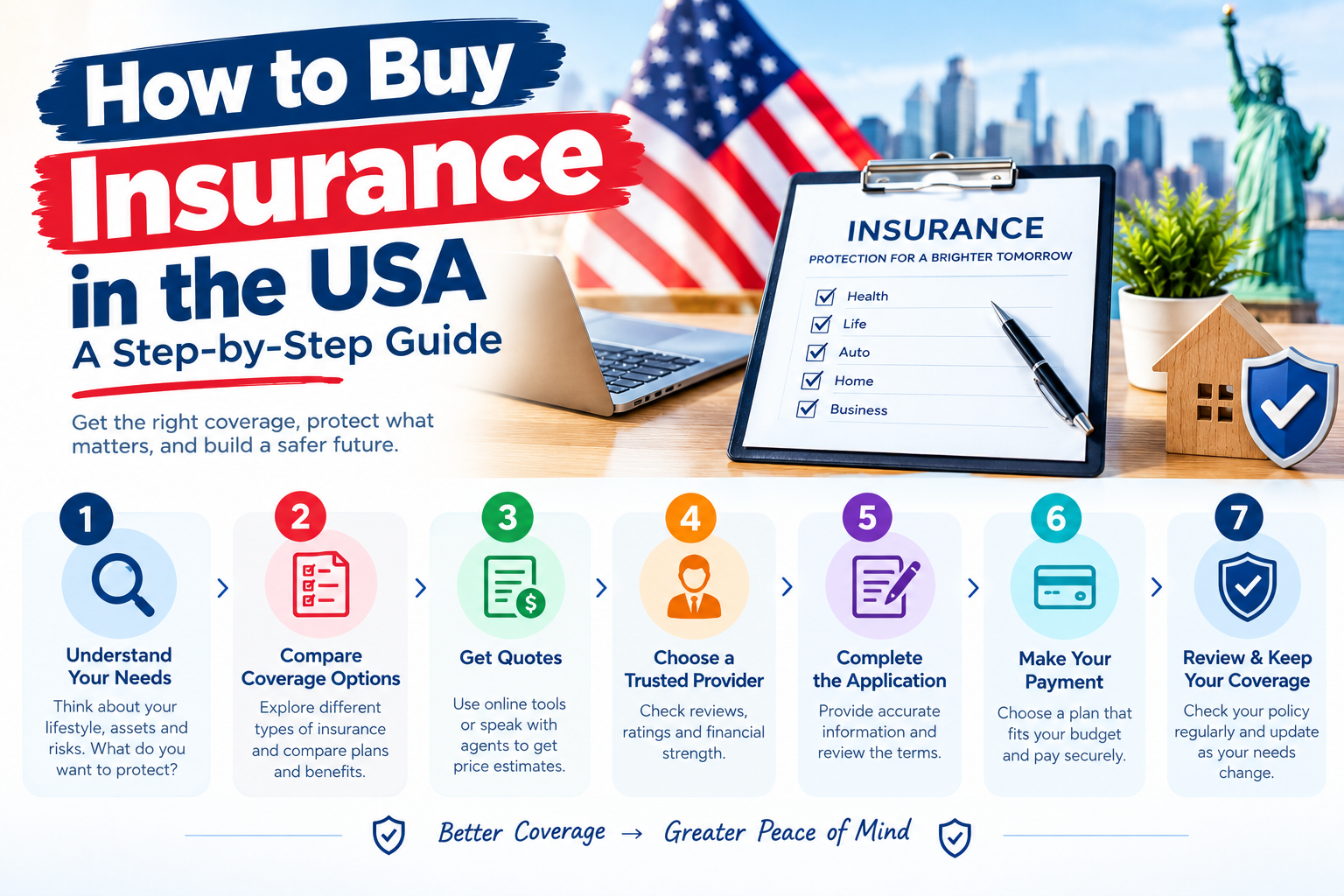
Choosing business insurance does not have to be complicated. Follow these steps to find coverage that matches your business needs.
Step 1: Understand Your Business Risks
Start by identifying the risks associated with your business.
For example:
- A retail store may need general liability and property insurance.
- A consulting company may need professional liability insurance.
- A restaurant may need property, liability, workers’ compensation, and other industry-specific coverage.
- An online store may need product liability and cyber coverage.
Step 2: Check Legal Requirements
Insurance requirements vary by state and business type.
If you have employees, check whether workers’ compensation and other employment-related insurance are required in your state.
You should also review any insurance requirements in your commercial lease, loan agreement, or client contracts.
Step 3: Compare Insurance Providers
Contact several licensed insurance companies or independent agents.
Compare:
- Monthly or annual premiums.
- Coverage limits.
- Deductibles.
- Exclusions.
- Claim procedures.
- Customer support.
Step 4: Read the Policy Carefully
Before purchasing, understand exactly what the policy covers and what it excludes.
Do not assume that every accident, loss, or business interruption will be covered.
Step 5: Review Your Coverage Regularly
Your insurance needs may change as your business grows.
You may hire more employees, purchase new equipment, open another location, or start selling different products. Review your coverage regularly and update it when necessary.
Where Can You Buy Small Business Insurance?
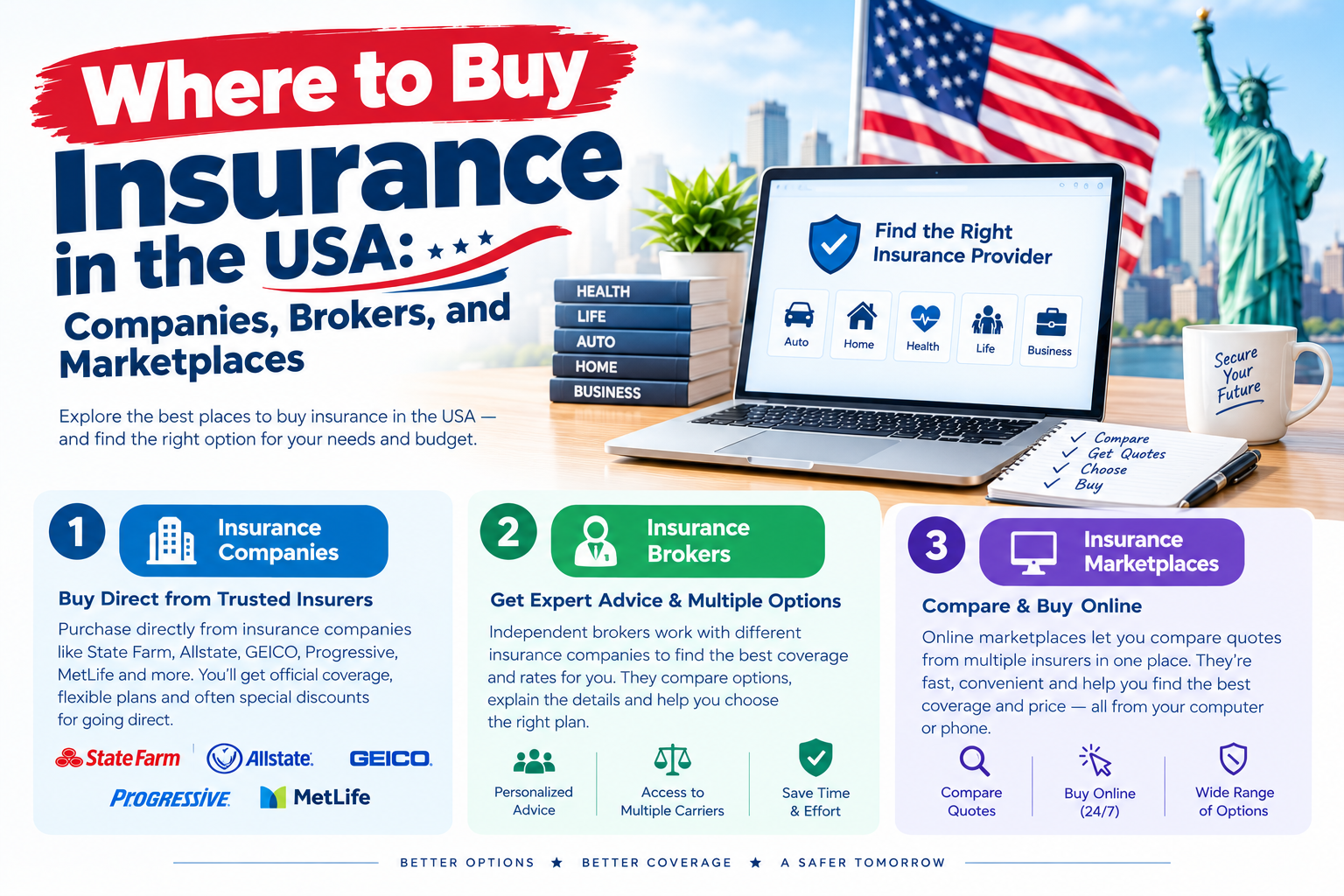
Small business owners in the United States have several ways to purchase business insurance.
Insurance Companies
You can contact insurance companies directly and request a business insurance quote.
Some well-known providers include:
- The Hartford: https://www.thehartford.com/business-insurance
- Hiscox: https://www.hiscox.com/small-business-insurance
- Nationwide: https://www.nationwide.com/business/insurance/
- NEXT Insurance: https://www.nextinsurance.com/
Availability, eligibility, and coverage options may vary by state and business type.
Independent Insurance Agents
Independent insurance agents can help you compare policies from different insurance companies.
They may explain coverage options and help identify policies that match your business risks.
Online Insurance Marketplaces
Some online platforms allow business owners to compare insurance options and request quotes.
Before purchasing through any website, confirm that the provider or agent is properly licensed and that the policy meets your requirements.
Common Mistakes to Avoid When Buying Business Insurance
Avoid these mistakes when choosing a policy:
- Buying only the cheapest policy: A low premium may come with limited coverage or higher deductibles.
- Ignoring policy exclusions: Always understand which situations are not covered.
- Choosing insufficient coverage limits: Your policy limits should reflect the potential financial risks.
- Assuming home insurance covers business activities: Personal home insurance may provide limited or no protection for certain business risks.
- Forgetting to update your policy: Business growth and new activities can create additional insurance needs.
- Ignoring legal requirements: Failing to carry legally required insurance may lead to penalties and financial liability.
Frequently Asked Questions
Is business insurance necessary for a small business?
Business insurance is important because it can help protect a small business against certain financial losses, legal claims, property damage, and other risks. Some types of insurance may also be required by law or contract.
What is the most important insurance for a small business?
The most suitable coverage depends on the business. General liability and commercial property insurance are common starting points, while service providers may also need professional liability insurance.
Can I run a small business without insurance?
Some businesses may legally operate without certain optional insurance policies. However, other coverage, such as workers’ compensation, may be legally required depending on state law and business circumstances. Operating without suitable insurance can expose the owner to significant financial risks.
Does a Business Owner’s Policy cover everything?
No. A Business Owner’s Policy typically combines general liability, commercial property, and business interruption coverage. It usually does not include every type of business insurance.
Is business insurance tax deductible in the USA?
Business insurance premiums may generally qualify as ordinary and necessary business expenses, subject to IRS rules and the business’s circumstances. Consult a qualified tax professional for advice about your situation.
Can a home-based business get insurance?
Yes. Home-based businesses may be eligible for business insurance, including a Business Owner’s Policy or separate liability and property coverage. Standard homeowners insurance may not adequately protect business equipment or business-related liability.
Final Thoughts
Business insurance is an important part of managing financial risks for small businesses. Whether you operate a shop, restaurant, consulting company, online store, or home-based business, the right coverage can help protect your business from certain unexpected expenses.
Before purchasing a policy, understand your business risks, check legal requirements, compare licensed providers, and carefully review coverage limits and exclusions.
The best business insurance policy is not necessarily the cheapest one. It is the policy that provides suitable protection for your business at a price you can afford.
Disclaimer: This article is for general educational purposes only and does not provide legal, financial, or insurance advice. Coverage, eligibility, and legal requirements vary by policy, state, and business circumstances. Speak with a licensed insurance professional before making a purchasing decision.


Pingback: Renters Insurance: Is It Worth It? Benefits and Costs
Pingback: Disability Insurance: How It Works, Benefits and Costs