

Insurance is an important part of financial planning in the United States, but how much does it actually cost?
The answer depends on the type of insurance, your location, age, coverage amount, personal circumstances, and the insurance company you choose.
Some policies cost only a few dollars per month, while others can cost hundreds or even thousands of dollars annually.
In this guide, we explain the average cost of different types of insurance in the USA in 2026, what affects insurance prices, and how you can find affordable coverage.
1. How Much Does Health Insurance Cost in the USA?
Table of Contents
Health insurance is one of the biggest insurance expenses for many Americans.
The cost depends on whether you receive coverage through an employer, purchase an individual plan, or qualify for government assistance.
According to KFF’s 2025 Employer Health Benefits Survey:
- Average annual premium for single employer coverage: $9,325.
- Average annual premium for family employer coverage: $26,993.
These figures represent the total insurance premiums, not necessarily the amount employees pay themselves. Employers often contribute toward the cost.
For people shopping through the Affordable Care Act Marketplace, prices vary by state, age, plan and eligibility for financial assistance.
KFF reports that the average 2026 benchmark Marketplace premium is approximately $625 per month nationally. This is a benchmark price, not a guaranteed price for every customer. Eligible consumers may receive financial assistance that reduces their monthly payment.
You can compare eligible health insurance plans through:
2. How Much Does Car Insurance Cost in the USA?

Car insurance prices depend on the driver’s record, age, location, vehicle, coverage level and other factors.
According to Experian’s September 2026 analysis:
- Average car insurance cost: approximately $188 per month.
- Average minimum coverage cost: approximately $132 per month.
- Average full coverage cost: approximately $243 per month.
These are national estimates, not guaranteed quotes. Actual prices can be significantly different depending on the driver and state.
Factors that affect car insurance prices:
- Driving history and previous accidents.
- Age and driving experience.
- Type and value of the vehicle.
- State and ZIP code.
- Coverage limits and deductibles.
- Insurance claims history.
Drivers can compare prices from multiple insurers to find a suitable policy.
3. How Much Does Homeowners Insurance Cost?
Homeowners insurance protects a house and certain personal belongings against covered losses.
According to NerdWallet’s 2026 analysis, the average homeowners insurance cost in the USA is approximately $2,490 per year, or $208 per month.
This estimate is based on a sample policy with $400,000 in dwelling coverage, $300,000 in liability coverage and a $1,000 deductible.
Your actual premium may be higher or lower.
The price can depend on:
- Location of the property.
- Age and condition of the house.
- Construction materials.
- Coverage limits.
- Local weather and disaster risks.
- Deductible amount.
Homeowners in areas with a higher risk of hurricanes, wildfires, tornadoes or other disasters may face higher insurance costs.
4. How Much Does Renters Insurance Cost?
Renters insurance is usually more affordable than homeowners insurance.
It can help protect a tenant’s personal belongings against covered events and may provide personal liability protection.
According to NerdWallet’s 2026 analysis, the average renters insurance policy costs approximately:
- $165 per year.
- $14 per month.
The estimate is based on $30,000 in personal property coverage, $100,000 in liability coverage and a $500 deductible.
Renters insurance prices depend on the location, coverage amount, deductible and insurance provider.
Even if you rent a small apartment, this type of insurance may be worth considering because replacing furniture, electronics, clothing and other belongings can be expensive.
5. How Much Does Life Insurance Cost?
Life insurance provides a financial benefit to beneficiaries if the insured person dies while the policy is active and the claim meets the policy conditions.
The cost depends on several factors, including age, health, smoking status, coverage amount and policy length.
For example, MoneyGeek’s 2026 analysis estimates that a healthy, nonsmoking 40-year-old purchasing a $500,000, 20-year term life insurance policy may pay approximately:
- Women: $47 per month.
- Men: $59 per month.
These are sample estimates, not guaranteed prices. Actual quotes depend on the insurer’s underwriting assessment.
Buying life insurance at a younger age may help secure a lower premium, depending on eligibility and health circumstances.
6. Average Insurance Costs at a Glance
The following table summarizes the estimates discussed in this article.
| Insurance type | Estimated cost |
|---|---|
| Employer health insurance, single | $9,325/year |
| Employer health insurance, family | $26,993/year |
| 2026 Marketplace benchmark health premium | $625/month |
| Car insurance, overall average | $188/month |
| Car insurance, full coverage | $243/month |
| Homeowners insurance | $208/month |
| Renters insurance | $14/month |
| Term life insurance, 40-year-old woman | $47/month |
| Term life insurance, 40-year-old man | $59/month |
Important: These figures come from different research sources and sample profiles. They are not directly comparable quotes. Health insurance employer premiums include employer contributions, while Marketplace benchmark premiums are reference prices. Your personal cost may be different.
7. What Factors Affect Insurance Costs in the USA?

Insurance companies evaluate different types of risk when calculating premiums.
Here are some of the most common factors.
Age
Age can affect several types of insurance. For example, younger drivers may pay more for auto insurance, while life insurance premiums generally increase as people get older.
Location
Insurance prices vary between states and even between ZIP codes.
A home in an area exposed to hurricanes or wildfires may cost more to insure. Car insurance can also be more expensive in areas with higher accident or theft rates.
Coverage Amount
The more protection you purchase, the higher your premium may be.
For example, a life insurance policy with $1 million in coverage generally costs more than a policy with $250,000 in coverage.
Deductible
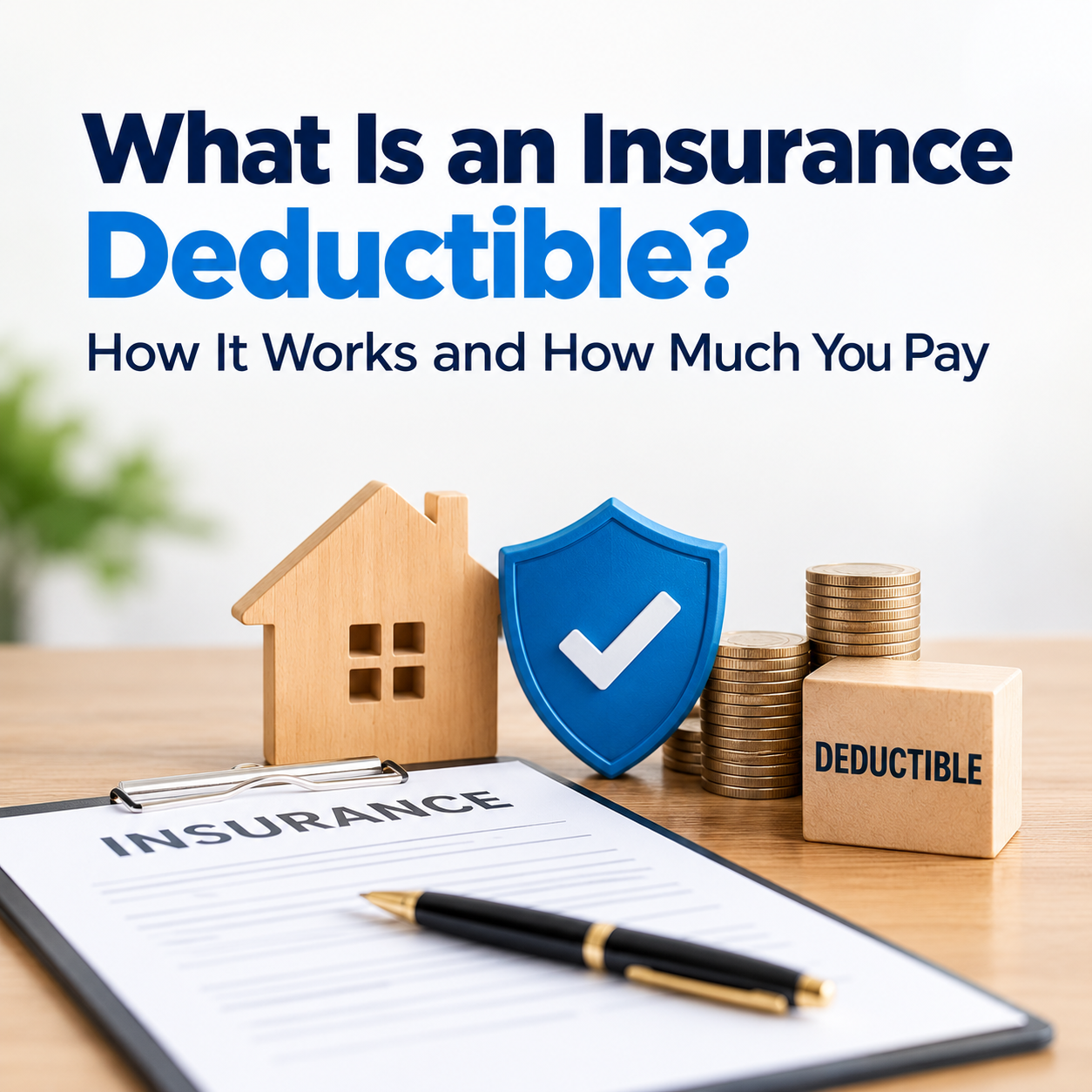
A deductible is the amount you may need to pay out of pocket for a covered claim before your insurance pays its share.
Choosing a higher deductible can reduce the premium, but it also means you may have to pay more when making a claim.
Claims and Driving History
Previous claims, accidents and certain violations may affect insurance prices.
The exact effect depends on the type of insurance and the company’s underwriting rules.
Health and Lifestyle
For life insurance, health history and tobacco use can affect the price. Health insurance premiums also follow specific legal rating rules and cannot be priced using every factor that other insurance products may consider.
8. How to Get Cheaper Insurance in the USA
Insurance does not always have to be expensive. Comparing policies and understanding your coverage can help you avoid unnecessary costs.
Here are some practical ways to save money.
- Compare multiple quotes: Request prices from several licensed insurance providers.
- Choose suitable coverage: Avoid paying for coverage you do not need, but do not leave important risks uninsured.
- Review deductibles: Consider whether a higher deductible is affordable if you need to make a claim.
- Ask about discounts: Some insurers offer discounts for eligible customers, safe driving, home security or multiple policies.
- Maintain a good driving record: Avoiding accidents and violations may help reduce future auto insurance costs.
- Review your policy annually: Your needs and available prices can change over time.
- Check financial assistance: Eligible people shopping for Marketplace health insurance may qualify for premium tax credits.
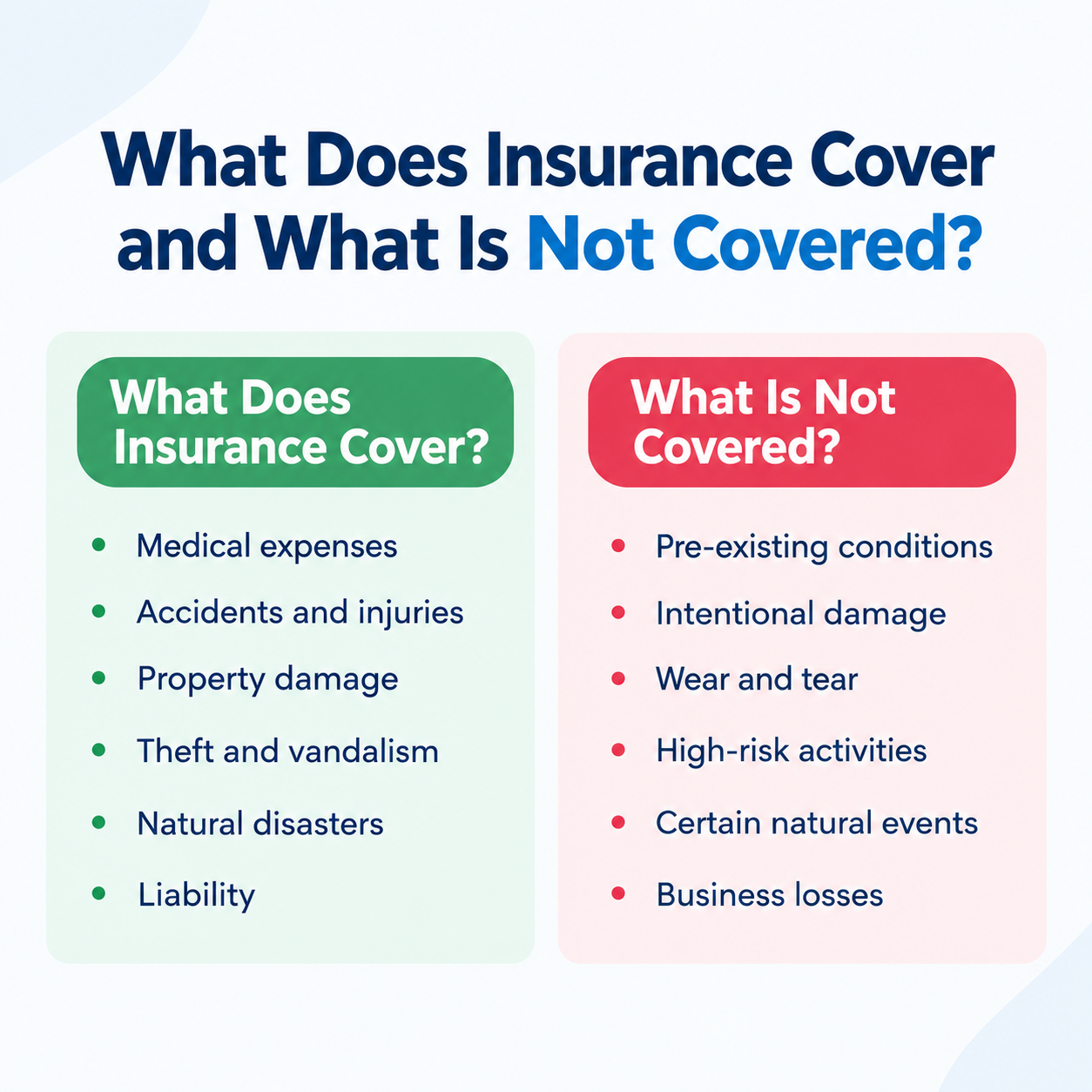
Never choose an insurance policy based only on its monthly price. Check its coverage limits, exclusions, deductibles and claim conditions.
9. Where Can You Compare Insurance Prices?
You can compare insurance prices in several ways:
- Directly through insurance company websites.
- Through licensed independent insurance agents.
- Through insurance brokers.
- Through reputable online comparison platforms.
- Through HealthCare.gov for eligible Marketplace health insurance.
Before purchasing, confirm that the company or agent is licensed in your state.
For additional consumer guidance, visit the National Association of Insurance Commissioners:
Frequently Asked Questions
What is the cheapest type of insurance in the USA?
There is no single cheapest insurance type for everyone. Renters insurance is often relatively inexpensive, with a 2026 national estimate of around $14 per month. However, prices depend on the coverage and location.
Why is insurance so expensive in the USA?
Insurance prices can be affected by healthcare expenses, repair costs, natural disasters, theft, accident risks, property values and the amount of coverage purchased.
Can I get insurance for less than $50 per month?
Yes, depending on the type of insurance and your circumstances. Some renters and life insurance policies may cost less than $50 per month. Other policies, such as comprehensive health or car insurance, can cost significantly more.
Does a higher deductible make insurance cheaper?
A higher deductible may reduce your monthly premium. However, you will generally need to pay more out of pocket before the insurer pays for a covered claim.
How can I find out the exact cost of insurance?
Request personalized quotes from licensed insurance providers. You will usually need to provide details about your age, location, property, vehicle, health or desired coverage, depending on the policy.
Final Thoughts
The cost of insurance in the USA varies widely. Health, car, home, renters and life insurance all have different pricing methods and coverage requirements.
National averages can help you understand what insurance might cost, but they cannot tell you exactly what you will pay.
The smartest approach is to compare multiple quotes, understand the policy conditions, and choose coverage that fits your financial situation.
A lower premium may look attractive, but the right insurance policy should provide meaningful protection when you actually need it.




Pingback: Best Insurance Policy: How to Choose the Right Coverage
Pingback: Insurance Coverage: What Is Covered and What Is Not?