

Traveling can be exciting, whether you are planning a family vacation, an international trip, a cruise, or a business journey. However, unexpected problems can happen at any time. You might become sick before departure, miss a connecting flight, lose your luggage, or need emergency medical treatment in another country.
These situations can lead to unexpected expenses. This is where travel insurance can help.
Travel insurance is designed to protect travelers from certain financial losses related to unexpected travel problems. Depending on the policy, it may cover trip cancellations, medical emergencies, lost baggage, travel delays, and emergency transportation.
But what exactly does travel insurance cover? What is excluded, and how do you choose the right policy? This guide explains everything you need to know.
What Is Travel Insurance?
Table of Contents
Travel insurance is a type of insurance that provides financial protection against certain unexpected events before or during a trip.
When you purchase a policy, you pay a premium in exchange for the coverage described in the insurance contract. If a covered event happens, you may be eligible for reimbursement or assistance, depending on the policy’s terms and limits.
For example, imagine you book a vacation that costs $3,000. A few days before departure, you become seriously ill and your doctor advises you not to travel. If your policy covers that situation, trip cancellation insurance may reimburse eligible prepaid and non-refundable expenses.
Travel insurance can be purchased for domestic trips within the United States or international journeys.
What Does Travel Insurance Cover?
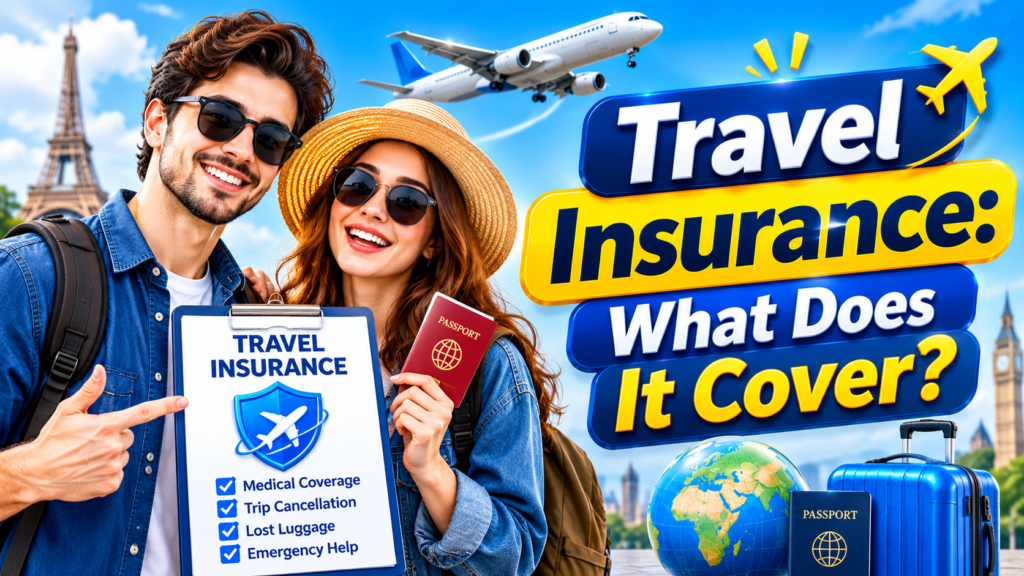
Travel insurance policies are different, but many comprehensive plans offer several common types of protection.
Here are the main things travel insurance may cover.
1. Trip Cancellation
Trip cancellation coverage helps protect the money you spend on a trip before you leave.
Sometimes, unexpected events make it impossible to travel. You might become seriously ill, experience an injury, or have another covered emergency.
Depending on your policy, trip cancellation insurance may reimburse prepaid, non-refundable expenses such as:
- Airline tickets
- Hotel reservations
- Cruise bookings
- Vacation packages
- Prepaid tours and activities
For example, if you book a $2,000 vacation and have to cancel because of a covered medical emergency, your policy may reimburse eligible expenses.
Important: Standard trip cancellation insurance does not cover every reason for canceling. You must have a reason listed in your policy.
2. Emergency Medical Expenses
Getting sick or injured while traveling can be expensive, especially outside your home country.
Travel medical insurance can help cover eligible emergency medical expenses during your trip.
Depending on the policy, this may include:
- Emergency doctor visits
- Hospital treatment
- Emergency surgery
- Prescription medication related to a covered emergency
- Ambulance services
- Emergency dental treatment
For example, imagine you are visiting another country and suddenly develop a serious illness. If your policy includes travel medical coverage, it may help pay eligible treatment costs.
Before traveling internationally, check whether your regular health insurance provides coverage outside the United States. Some health plans offer limited international coverage, while others may not cover it at all.
3. Emergency Medical Evacuation
Emergency medical evacuation coverage helps pay for transportation when you need to be moved to an appropriate medical facility because of a serious medical emergency.
This can be particularly important when traveling to remote destinations or areas with limited medical facilities.
Depending on your policy, medical evacuation may include:
- Emergency air transportation
- Ambulance transportation
- Transfer to a suitable hospital
- Medical transportation back home when medically necessary
- Repatriation of remains in the event of death, if included
For example, if you suffer a serious injury in a remote location and the nearest suitable hospital is far away, evacuation coverage may help pay for eligible emergency transportation.
Check the policy carefully because the insurer may need to approve the evacuation and determine the appropriate destination.
4. Lost, Stolen, or Damaged Baggage
Losing your luggage can make a trip stressful. Travel insurance may provide reimbursement if your baggage or personal belongings are lost, stolen, or damaged under covered circumstances.
Covered items may include:
- Clothing
- Shoes
- Personal accessories
- Suitcases
- Certain electronic items
- Other eligible personal belongings
For example, if an airline loses your checked suitcase during an international flight, your travel insurance may help reimburse you for eligible losses.
However, policies often have limits for individual items, valuable belongings, and certain categories of property. You may also need to report the loss to the airline or local authorities and provide supporting documents.
5. Baggage Delay
Sometimes, your luggage arrives at your destination later than you do.
Baggage delay coverage may reimburse reasonable expenses for essential items you need while waiting for your bags.
These expenses may include:
- Basic clothing
- Toiletries
- Personal hygiene products
- Other necessary purchases
For example, if your luggage is delayed for 24 hours and your policy’s waiting period is satisfied, you may be able to claim reimbursement for eligible essential purchases.
Keep your receipts because the insurance company may require proof of your expenses.
6. Travel Delays
Flights can be delayed because of severe weather, airline problems, or other unexpected events.
Travel delay coverage may help pay for additional expenses when a covered delay affects your travel plans.
Depending on your policy, eligible expenses may include:
- Hotel accommodation
- Meals
- Local transportation
- Other necessary costs caused by the delay
For example, if a covered flight delay forces you to stay overnight at an airport hotel, your policy may reimburse eligible accommodation expenses.
Most policies require the delay to reach a specific number of hours before coverage begins.
7. Trip Interruption
Trip interruption coverage is different from trip cancellation coverage.
Trip cancellation generally applies when you cannot start your journey. Trip interruption applies when you have already started traveling but must return home early or change your plans because of a covered event.
Possible covered reasons may include:
- A serious illness or injury
- A family emergency
- A covered natural disaster
- Other unexpected situations listed in the policy
Depending on the plan, you may receive reimbursement for unused prepaid travel expenses and certain additional transportation costs.
For example, if you are halfway through a vacation and a covered family emergency requires you to return home, trip interruption coverage may help with eligible expenses.
8. Accidental Death and Dismemberment
Some travel insurance plans offer accidental death and dismemberment coverage.
This benefit may provide a payment if a covered accident during the trip results in death or a qualifying serious injury, such as the loss of a limb or eyesight.
The payment amount depends on the policy and the type of injury.
This coverage is not included in every travel insurance plan, so check whether it is part of the policy you are considering.
9. Rental Car Damage
Some travel insurance plans offer rental car damage protection as an included benefit or optional add-on.
This coverage may help pay for eligible damage to a rental vehicle caused by an accident or another covered event.
Before purchasing it, check:
- Whether your destination is included
- Which vehicle types are covered
- Whether theft is included
- The maximum coverage limit
- Any exclusions or deductible
You should also check whether your personal auto insurance or credit card already provides rental car protection.
What Does Travel Insurance Not Cover?
Travel insurance does not cover every possible problem. Each policy has specific exclusions, conditions, and coverage limits.
Common exclusions or limitations may include:
1. Known or Foreseeable Events
If an event was already known or reasonably foreseeable when you purchased your policy, related losses may not be covered.
For example, buying insurance after a major storm has already been announced may not protect you against cancellation caused by that storm.
2. Pre-Existing Medical Conditions
Some policies exclude medical problems that existed before the policy was purchased.
However, certain plans offer a pre-existing medical condition waiver if you meet specific requirements, such as purchasing coverage within a particular time after your initial trip payment.
Always read the conditions before buying.
3. High-Risk Activities
Some policies exclude injuries related to dangerous or adventure activities.
Examples may include:
- Skydiving
- Scuba diving
- Mountain climbing
- Certain extreme sports
- Professional sporting activities
Some insurers offer optional coverage for specific activities.
4. Changing Your Mind
Standard trip cancellation insurance usually does not reimburse you simply because you no longer want to travel.
If you want more flexibility, look for Cancel For Any Reason (CFAR) coverage.
CFAR is generally an optional upgrade with additional conditions. It may reimburse only a percentage of eligible prepaid trip costs rather than the full amount.
5. Unapproved or Unnecessary Medical Treatment
A policy may not cover routine medical treatment, elective procedures, or treatment that does not meet its emergency coverage requirements.
Some plans also require you to contact the insurer or assistance provider before receiving certain medical services.
6. Alcohol- or Drug-Related Incidents
Some policies exclude claims involving injuries or incidents connected to intoxication, illegal drug use, or other prohibited behavior.
The exact rules depend on the insurance contract.
Different Types of Travel Insurance
Not every traveler needs the same coverage. Some people mainly want protection against trip cancellation, while others are more concerned about medical emergencies abroad.
Here are the main types of travel insurance:
| Insurance Type | What It Protects |
|---|---|
| Trip Cancellation | Eligible prepaid travel costs if you cancel for a covered reason |
| Trip Interruption | Certain costs if you must end your trip early |
| Travel Medical | Eligible emergency medical expenses |
| Medical Evacuation | Emergency transportation to appropriate medical care |
| Baggage Protection | Eligible lost, stolen, or damaged belongings |
| Travel Delay | Certain additional expenses caused by covered delays |
| CFAR Coverage | Partial reimbursement when canceling for a reason not otherwise covered |
| Rental Car Protection | Eligible damage or theft involving a rental vehicle |
Some insurers combine several of these benefits into one comprehensive travel insurance plan.
How Much Does Travel Insurance Cost?
The cost of travel insurance depends on several factors, including:
- Total trip cost
- Traveler’s age
- Destination
- Length of the trip
- Number of travelers
- Type of coverage selected
- Medical coverage limits
- Optional benefits
According to the National Association of Insurance Commissioners (NAIC), travel insurance policies commonly cost around 5% to 10% of the total trip price, although actual prices vary.
For example, a traveler booking an expensive international vacation may pay more for comprehensive coverage than someone taking a short, inexpensive domestic trip.
The best approach is to compare multiple quotes and check what each policy actually includes.
How to Choose the Right Travel Insurance Policy
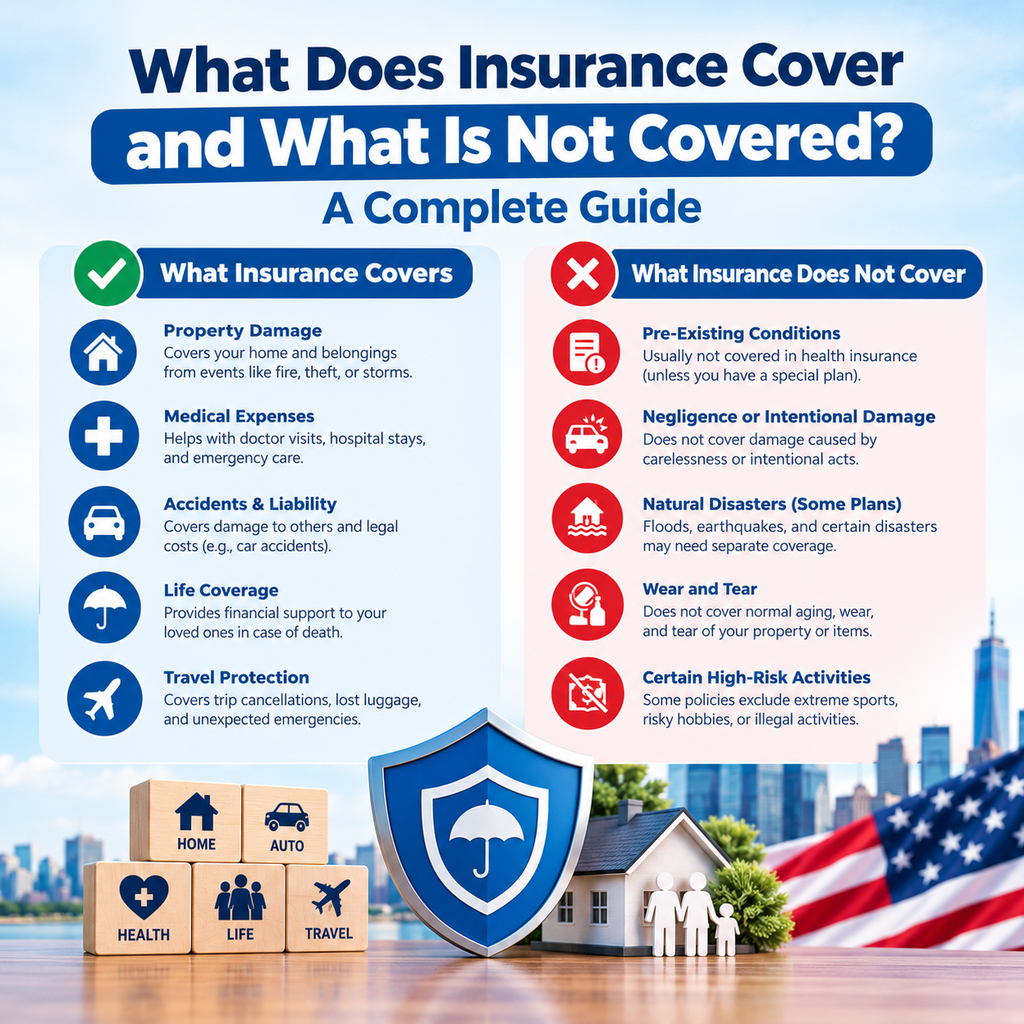
Choosing the right policy can help you avoid paying for coverage you do not need while making sure important risks are protected.
Consider these steps before purchasing travel insurance.
1. Understand Your Travel Plans
Think about where you are going, how long you will stay, and what activities you plan to do.
A short domestic trip may require different coverage from a long international vacation.
2. Check Your Existing Insurance
Before buying a new policy, review your current health insurance, homeowners or renters insurance, auto insurance, and credit card benefits.
You may already have some travel-related protection.
However, do not assume that your existing policies cover everything.
3. Compare Medical Coverage Limits
If you are traveling internationally, pay close attention to emergency medical coverage.
Check the maximum amount the insurer will pay and whether medical evacuation is included.
4. Review Cancellation Rules
Read the list of covered cancellation reasons.
Make sure you understand which situations qualify for reimbursement and which do not.
5. Check Baggage and Delay Limits
Compare the maximum reimbursement amounts for lost luggage, delayed baggage, and travel delays.
Some policies have separate limits for valuable items such as laptops, cameras, and jewelry.
6. Read the Exclusions
Do not purchase a policy based only on its price.
Read the exclusions, waiting periods, deductibles, claim requirements, and other conditions.
7. Check Emergency Assistance
Look for an insurer that provides 24-hour emergency assistance.
This can be useful if you need medical guidance or help arranging emergency transportation while traveling.
When Should You Buy Travel Insurance?
It is generally a good idea to compare travel insurance options soon after booking your trip.
Buying early may help you qualify for certain time-sensitive benefits, depending on the policy.
Some benefits, such as a pre-existing medical condition waiver or Cancel For Any Reason coverage, may require purchasing insurance within a specified period after your initial trip payment.
Waiting until just before departure may mean losing access to these options.
Is Travel Insurance Worth It?
Travel insurance can be worth considering if you are spending a significant amount on a trip, traveling internationally, or visiting a destination where medical care and emergency transportation could be expensive.
It may be especially useful when:
- Your trip includes expensive non-refundable bookings.
- You are traveling with children or older family members.
- Your regular health insurance does not provide sufficient international coverage.
- You are taking a cruise or visiting remote destinations.
- You want protection against certain unexpected travel disruptions.
However, travel insurance may be less valuable for a low-cost trip where you can easily afford to lose the prepaid expenses.
The decision depends on your budget, travel plans, existing insurance, and willingness to accept financial risk.
Where Can You Buy Travel Insurance?
Travelers can compare and purchase travel insurance through several channels.
1. Insurance Companies
Many insurance companies sell travel insurance directly through their websites or licensed agents.
You can review their plans, compare benefits, and request a quote.
2. Travel Insurance Comparison Websites
Comparison websites allow travelers to review plans from multiple providers.
Read the actual policy documents before purchasing. A comparison website’s summary may not explain every limitation or exclusion.
3. Travel Agencies
Some travel agencies offer insurance when you book flights, hotels, cruises, or vacation packages.
Compare the offered coverage with other available policies before making a decision.
4. Credit Card Benefits
Some credit cards include travel protection benefits when you use the card to pay for eligible travel expenses.
These benefits may include trip cancellation, travel delay, or baggage protection.
However, coverage varies by card, and certain conditions may apply. Check your card’s benefits guide before relying on it.
Final Thoughts
Travel insurance can help protect your money and provide support when unexpected problems affect your trip. Depending on the policy, it may cover trip cancellation, emergency medical expenses, medical evacuation, lost baggage, travel delays, and other travel-related risks.
However, no policy covers everything. Coverage limits, exclusions, waiting periods, and claim requirements can make a significant difference.
Before purchasing travel insurance, compare different plans, review the policy documents, and make sure the coverage matches your travel needs.
A little research before departure can help you make a more informed decision and travel with greater confidence.
Frequently Asked Questions (FAQs)
1. What does travel insurance usually cover?
Travel insurance may cover trip cancellation, trip interruption, emergency medical expenses, medical evacuation, lost baggage, baggage delays, and travel delays. Coverage depends on the policy.
2. Does travel insurance cover flight cancellations?
It may cover eligible prepaid travel expenses if your flight or trip is canceled for a reason listed in your policy. Not every flight cancellation qualifies.
3. Does travel insurance cover medical emergencies abroad?
Many travel insurance plans offer emergency medical coverage for eligible illness or injury while traveling internationally. Check the policy’s limits and exclusions.
4. Does travel insurance cover lost luggage?
Many plans offer baggage protection for eligible lost, stolen, or damaged belongings. Reimbursement limits and documentation requirements apply.
5. Does travel insurance cover pre-existing medical conditions?
Some policies exclude pre-existing conditions, while others offer a waiver if specific purchase and eligibility requirements are met.
6. Can I cancel my trip for any reason?
Standard trip cancellation coverage only applies to covered reasons. Cancel For Any Reason coverage may offer partial reimbursement for other reasons, subject to specific conditions.
7. Is travel insurance required for international travel?
It depends on your destination and circumstances. Some countries or visa categories require proof of medical insurance, while others do not.
8. When should I purchase travel insurance?
Consider comparing policies soon after making your first trip payment. Certain benefits may only be available if you purchase within a specified time.
9. Does travel insurance cover missed flights?
Some policies cover certain missed connections or travel disruptions, but the reason for missing the flight and the policy conditions matter.
10. Can I buy travel insurance after booking my flight?
Yes. Many travelers purchase travel insurance after booking their flights. However, waiting may affect eligibility for certain time-sensitive benefits.
Disclaimer: This article is for general educational purposes and is not insurance, legal, or financial advice. Coverage, exclusions, and requirements vary by insurer, policy, destination, and state. Always read the policy documents and confirm details with the insurance provider before purchasing.






Pingback: General Liability Insurance Explained: Costs & Benefits