


Starting a business does not always require thousands of dollars. Many successful businesses begin with a simple idea, a useful skill, and the willingness to work hard.
If you have limited savings, you might think starting a business is impossible. However, there are several ways to begin without renting an office, purchasing expensive equipment, or hiring employees.
The key is to choose a business model that does not require much money upfront. Instead of investing in products or equipment, you can start by offering services, using free online tools, and finding your first customers.
In this guide, you will learn how to start a business with no money, discover practical business ideas, and follow simple steps to turn your idea into a small business.
Can You Really Start a Business with No Money?
Table of Contents
Yes, it is possible to start certain businesses with almost no upfront investment.
However, starting with no money does not mean running a business will always be completely free. You may eventually need money for business registration, licenses, transportation, internet access, supplies, marketing, or other expenses.
The best approach is to start with something you already have.
For example:
- If you have a computer, you can offer online services.
- If you have a smartphone, you can manage social media accounts.
- If you are good at writing, you can offer content writing services.
- If you know a particular subject, you can provide tutoring.
- If you have practical skills, you can offer local services.
Instead of spending money before earning anything, focus on finding a customer who is willing to pay for your service.
15 Businesses You Can Start with No Money
Here are 15 business ideas that may be possible to start with little or no upfront spending, depending on your skills and local requirements.
1. Freelance Writing
If you enjoy writing, freelance writing can be a practical way to start a business without purchasing inventory.
You can write:
- Blog articles
- Website content
- Product descriptions
- Social media captions
- Email newsletters
- Business profiles
Start by creating two or three writing samples. You can then approach bloggers, small businesses, and website owners who need content.
You do not need to hire anyone or rent an office. A computer or smartphone and internet access may be enough to begin.
2. Social Media Management

Many small businesses want to stay active on social media but do not have enough time to manage their accounts.
You can help them create posts, write captions, schedule content, and respond to basic customer inquiries.
Potential customers include:
- Restaurants
- Clothing stores
- Beauty salons
- Fitness centers
- Local service providers
Create a few sample posts using free design tools and show business owners how you can improve their online presence.
3. Virtual Assistant Services
A virtual assistant helps businesses and professionals with everyday administrative tasks.
You can provide services such as:
- Email management
- Appointment scheduling
- Data entry
- Document formatting
- Online research
- Customer support
This business is suitable for people who are organized, reliable, and comfortable using computers.
You can work remotely and find clients through professional networking and freelance platforms.
4. Graphic Design

If you have a creative side, you can start offering basic graphic design services.
Possible projects include:
- Social media posts
- Promotional flyers
- Business cards
- Simple banners
- YouTube thumbnails
- Event invitations
Free design software can help you create sample projects and build a portfolio.
Start with simple designs and improve your skills as you gain experience.
5. Online Tutoring
If you are knowledgeable in a school subject, language, or practical skill, you can offer tutoring online.
You might teach:
- English
- Mathematics
- Science
- Computer basics
- Language skills
- Exam preparation
You can start with people in your community or offer lessons through online communication platforms.
Make sure you have the necessary qualifications if your subject or location requires them.
6. Resume Writing Service
Many job seekers struggle to create professional resumes and cover letters.
If you understand resume formatting and professional writing, you can help them prepare better job application documents.
Your services can include:
- Resume writing
- Resume editing
- Cover letters
- LinkedIn profile improvements
- Document formatting
Create a few example resumes to demonstrate your work. Never promise that your service will guarantee someone a job.
7. Video Editing
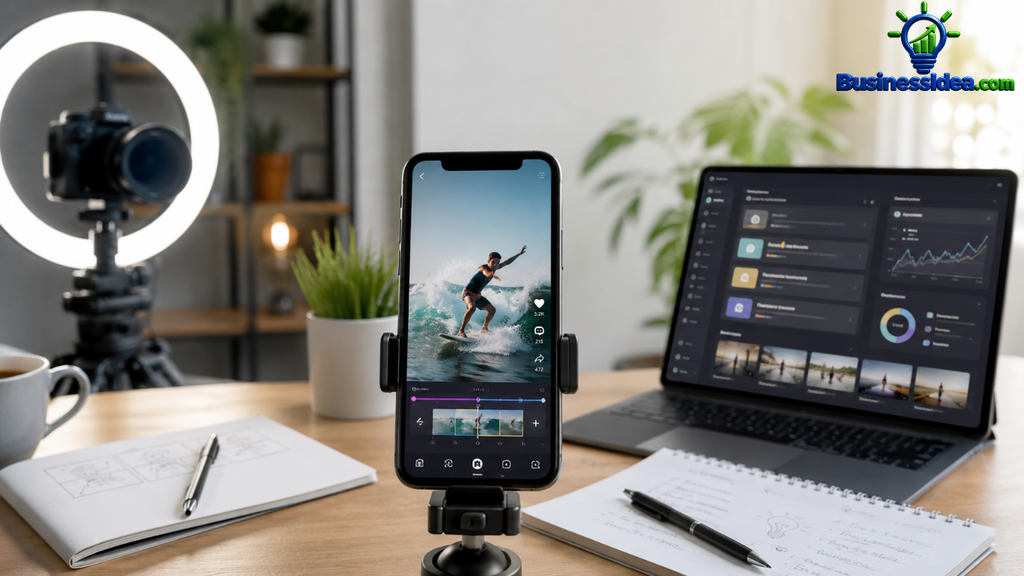
Businesses, content creators, and YouTubers often need help editing videos.
You can start with basic editing services such as:
- Short-form videos
- YouTube videos
- Instagram Reels
- TikTok clips
- Video captions
- Simple promotional videos
Use free editing software where possible and create sample videos to show potential clients.
As your experience grows, you can offer more advanced editing services.
8. Affiliate Marketing
Affiliate marketing allows you to earn a commission by promoting another company’s products or services.
You share a special tracking link, and if someone makes a qualifying purchase through that link, you may receive a commission.
You can promote products through:
- A blog
- YouTube videos
- Social media
- Email newsletters
- A niche website
You do not need to manufacture products or manage deliveries.
However, affiliate marketing takes time. You need an audience, useful content, and trust. Some affiliate programs also have approval requirements.
Always disclose affiliate relationships clearly.
9. Cleaning Services
A small cleaning service can sometimes begin with supplies you already own.
You could offer:
- Basic home cleaning
- Apartment cleaning
- Office cleaning
- Kitchen cleaning
- Move-out cleaning
Start by offering services within your local area.
If customers provide cleaning supplies, your initial expenses may be lower. However, check local business requirements and consider appropriate liability insurance before accepting jobs.
10. Translation Services
If you can communicate confidently in more than one language, translation may be a useful business opportunity.
You can offer:
- General document translation
- Website translation
- Product descriptions
- Subtitles
- Business communication
- Social media content translation
Create sample translations and approach businesses that communicate with customers in different languages.
Specialized or certified translations may require professional qualifications.
11. Website Content Management
Some businesses already have websites but do not regularly update them.
You can offer basic website management services, such as:
- Publishing blog posts
- Updating website text
- Adding images
- Formatting pages
- Updating product information
- Checking links
You should learn how to use common website platforms before offering this service.
Start with simple tasks and avoid accepting technical work you cannot confidently complete.
12. Online Research Services
Business owners, students, and professionals sometimes need help collecting and organizing information.
You can offer research services such as:
- Competitor research
- Product research
- Contact list preparation
- Market research assistance
- Information organization
- Basic spreadsheet preparation
Focus on providing accurate information and clearly explaining your research methods.
13. Pet Sitting
If you enjoy caring for animals, pet sitting can be a local service business.
You may offer:
- Feeding visits
- Dog walking
- Basic pet care
- Short visits while owners are away
Start by building trust with people in your community.
Check local rules and understand animal-care responsibilities before accepting customers.
14. Dropshipping Without Holding Inventory
Dropshipping is an online selling model in which a supplier stores and ships products directly to customers.
You do not need to purchase large quantities of inventory in advance.
However, it is not a completely free business. You may still need money for a website, marketing, transaction fees, refunds, and other operating expenses.
If your budget is extremely limited, research the market and suppliers before spending anything.
15. Local Errand and Assistance Services
People with busy schedules may need help completing everyday tasks.
Depending on your local rules and abilities, you could offer:
- Grocery shopping
- Basic delivery assistance
- Appointment-related errands
- Organizing services
- General household assistance
Start with a small service area and clearly agree on the price and responsibilities before accepting work.
Step-by-Step: How to Start a Business with No Money
Choosing a business idea is only the beginning. You also need a practical plan to find customers and earn your first payment.
Follow these steps.
Step 1: Choose a Skill You Already Have
Start by identifying what you can already do.
Ask yourself:
- Can I write good English?
- Can I design social media posts?
- Can I edit videos?
- Can I communicate with customers?
- Can I organize information?
- Can I teach someone a useful skill?
Choose something you can deliver without spending money on expensive training or equipment.
You can improve your skills while building your business.
Step 2: Find a Problem People Are Willing to Pay to Solve
A business should solve a real problem.
For example:
- A restaurant needs someone to manage its social media.
- A job seeker needs help improving a resume.
- A small company needs website content.
- A busy professional needs administrative assistance.
- A YouTuber needs video editing.
Think about what people struggle with and how your skills can help them.
A simple service that solves a real problem is often a better starting point than a complicated business idea.
Step 3: Choose One Specific Service
Do not try to offer ten different services on your first day.
Choose one service and explain exactly what customers will receive.
For example:
Instead of saying, “I provide digital marketing,” say:
“I create and schedule social media posts for small businesses.”
A clear offer makes it easier for customers to understand what you do.
Step 4: Create Free Samples
Customers may hesitate to hire someone without previous experience.
You can build trust by creating sample work.
For example:
- A writer can create sample blog posts.
- A designer can create promotional graphics.
- A video editor can edit a demonstration video.
- A virtual assistant can prepare sample spreadsheets.
- A social media manager can create a sample content calendar.
Do not claim that sample projects were completed for paying clients if they were not.
Step 5: Use Free Online Tools
You do not need to purchase expensive software immediately.
Here are some tools that may help:
| Tool | How You Can Use It |
|---|---|
| Canva | Create basic graphics and presentations |
| Google Docs | Write and edit documents |
| Google Sheets | Organize information and track work |
| Google Drive | Store and share files |
| CapCut | Edit videos where free features are available |
| WordPress.com | Explore website publishing |
| Trello | Organize projects and tasks |
Free plans may have limitations, and some features may require payment.
Step 6: Find Your First Customers
Finding customers is one of the most important parts of starting a business.
You can begin without paying for advertisements.
Try these methods:
Contact Local Businesses: Visit or message small businesses and explain how your service could help them.
Use Social Media: Share examples of your work and explain the service you offer.
Ask for Referrals: Tell friends, relatives, and professional contacts that you are accepting customers.
Join Relevant Communities: Participate in online groups where your potential customers spend time. Follow community rules and avoid spam.
Use Freelance Platforms: Explore platforms such as Fiverr and Upwork. Check their current fees, eligibility rules, and payment requirements.
Step 7: Get Your First Paid Order
Your first customer is an important milestone.
Focus on delivering good work rather than trying to earn a large amount immediately.
Before starting a project, agree on:
- What work you will complete
- The delivery deadline
- The payment amount
- How revisions will be handled
- How payment will be made
Put important agreements in writing to avoid misunderstandings.
Step 8: Reinvest Your First Earnings
When you receive your first payment, avoid spending all of it.
Consider using part of your earnings to improve the business.
You might invest in:
- Better equipment
- Professional software
- Website hosting
- Training
- Marketing
- Business registration
- Necessary insurance
Reinvesting carefully can help you improve your services without depending entirely on outside funding.
Step 9: Register Your Business When Required
Starting small does not mean ignoring legal requirements.
Depending on your location and business activity, you may need:
- Business registration
- Licenses or permits
- Tax registration
- Business insurance
- A separate business bank account
Check the relevant government rules before accepting customers or operating commercially.
How to Get Customers Without Spending Money on Advertising
Paid advertising can help a business grow, but it is not the only way to find customers.
Here are some practical ways to promote your new business for free.
Build a Professional Social Media Profile
Create a profile that clearly explains:
- What service you provide
- Who you help
- What problems you solve
- How customers can contact you
Share examples of your work instead of posting only promotional messages.
Contact Potential Customers Directly
Make a list of businesses that could benefit from your service.
Send short, personalized messages explaining what you offer.
Avoid sending the same spam message to hundreds of people.
Share Useful Content
Publish helpful information related to your business.
For example, if you provide social media management, share tips about improving business profiles and creating better posts.
Useful content can help people understand your knowledge and build trust.
Ask Satisfied Customers for Reviews
After completing a project successfully, ask your customer whether they would be willing to provide honest feedback.
Positive reviews and referrals can help attract new customers.
Never create fake reviews or offer misleading claims about your experience.
Common Mistakes to Avoid When Starting with No Money
Starting with a small budget requires careful decisions. Avoid these common mistakes.
1. Choosing Too Many Business Ideas: Focus on one business until you understand its customers and operations.
2. Spending Before Finding Customers: Avoid purchasing expensive equipment, software, or inventory before testing demand.
3. Expecting Immediate Income: Finding customers and building trust takes time. Do not assume that a new business will produce instant earnings.
4. Ignoring Customer Needs: A business idea is not enough. People must have a reason to pay for your product or service.
5. Offering Too Many Free Services: Free samples can help build a portfolio, but continuously working without payment is not a sustainable business model.
6. Ignoring Legal Requirements: Check registration, tax, licensing, and insurance requirements before operating.
7. Giving Up Too Early: If your first approach does not work, learn from the feedback and improve your offer.
How to Choose the Best No-Money Business for You
The best business depends on your skills, available time, and access to equipment.
Use this simple comparison to narrow down your choices.
| If You Have… | Business Ideas to Consider |
|---|---|
| A computer and internet | Writing, virtual assistance, research |
| Graphic design skills | Logo and social media design |
| Video editing skills | YouTube and short-video editing |
| Good communication skills | Customer support, tutoring |
| Knowledge of multiple languages | Translation services |
| Practical cleaning skills | Home and office cleaning |
| Social media experience | Social media management |
| Teaching experience | Online tutoring |
Do not choose a business only because someone says it is profitable. Choose something you can deliver well and that people in your target market actually need.
A Simple 7-Day Plan to Start Your Business
If you are unsure where to begin, use this basic one-week plan.
Day 1: Choose Your Idea
Select one service based on your existing skills.
Day 2: Research Customers
Identify ten potential customers who may need your service.
Day 3: Create Samples
Prepare two or three examples that demonstrate your abilities.
Day 4: Set Up Your Profile
Create a simple professional social media profile or portfolio.
Day 5: Contact Potential Customers
Send personalized messages to suitable businesses or individuals.
Day 6: Improve Your Offer
Review feedback and make your service clearer and more useful.
Day 7: Follow Up
Follow up politely with interested people and try to arrange your first paid project.
This plan is a starting point, not a guarantee that you will receive a customer or earn money within seven days.
Final Thoughts
Starting a business with no money is challenging, but it is possible to begin with a simple service and grow gradually.
You do not need a large office, expensive equipment, or a big team to take your first step.
Start with a skill you already have, identify a problem people need help solving, create examples of your work, and contact potential customers.
Once you earn your first money, use it carefully to improve your business.
The most important thing is to start small, learn from real customers, and build a business that provides genuine value.
Frequently Asked Questions (FAQs)
1. Can I start a business with absolutely no money?
Some service businesses can be started with almost no upfront spending if you already have the necessary skills, equipment, and internet access. However, legal and operating expenses may still apply.
2. What is the best business to start with no money?
Freelance writing, virtual assistance, social media management, tutoring, and translation are examples of businesses that may require little upfront investment.
3. How can I make money without investing in products?
You can sell services instead of physical products. Examples include graphic design, video editing, writing, tutoring, and administrative support.
4. Can I start an online business for free?
You can begin some online businesses using free tools and platforms. However, transaction fees, platform charges, website expenses, and other costs may apply as the business grows.
5. How do I find customers without advertising?
You can contact potential customers directly, ask for referrals, share useful content on social media, and participate in relevant professional communities.
6. Is dropshipping a good business with no money?
Dropshipping reduces the need to purchase inventory in advance, but it is not completely free. You may still need money for marketing, store fees, refunds, and other expenses.
7. Can I start a business while working full-time?
Yes, some service businesses can be operated part-time. However, check your employment agreement, work authorization, and local business laws before starting.
8. How long does it take to earn money from a new business?
There is no fixed timeline. It depends on the service, customer demand, marketing, competition, and your ability to find paying customers.
9. Should I take a loan to start a business?
If you have no experience or paying customers, taking a loan can create unnecessary financial risk. Consider testing your idea on a small scale before borrowing money.
10. What should I do with my first business income?
Keep records of your income and expenses, reserve money for taxes and obligations, and consider reinvesting part of your earnings to improve the business.
Disclaimer: This article is for educational purposes only and does not constitute financial, legal, or business advice. Business registration, tax obligations, licenses, and operating requirements vary by location and industry. Always check the rules that apply to your business before starting.