
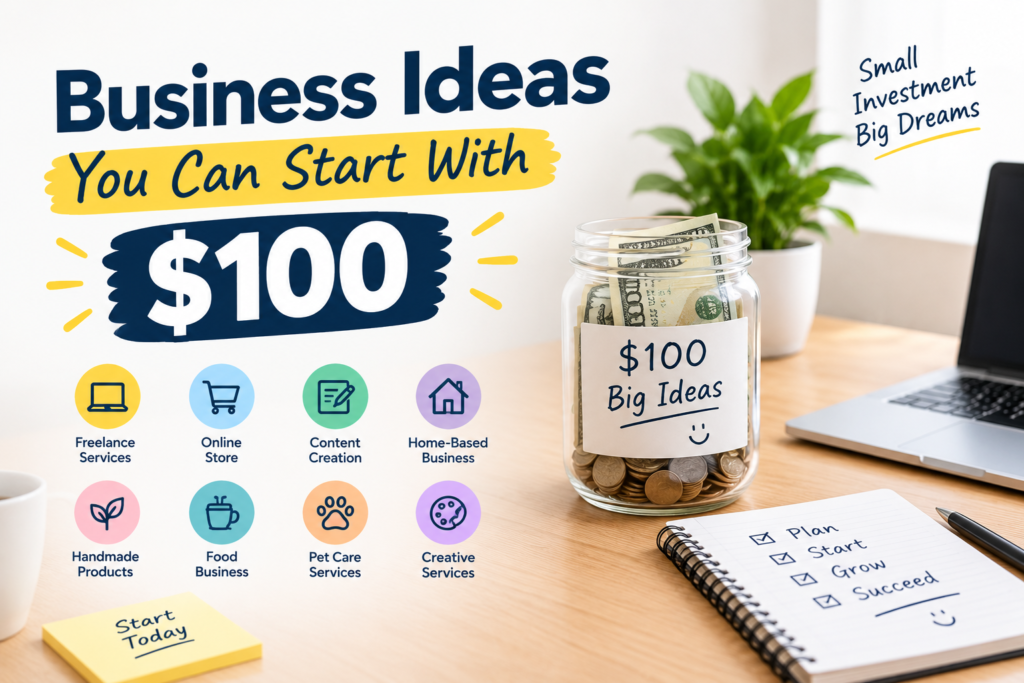
Starting a business does not always require thousands of dollars. With the right idea, a little planning, and consistent effort, you can launch a small business with just $100. Many successful entrepreneurs begin by offering simple services, selling products online, or turning their existing skills into income.
The key is to start small, avoid unnecessary expenses, and focus on finding customers before investing more money. In this guide, we will explore practical business ideas you can start with $100, how each business works, and how to get your first customers.
1. Freelance Writing
Table of Contents

Freelance writing is a good option for people who enjoy writing articles, website content, product descriptions, or social media captions. Businesses need written content to attract customers and explain their products.
How to start:
- Choose a writing niche, such as business, technology, travel, or finance.
- Create two or three writing samples.
- Build a simple portfolio using a free website or document.
- Contact bloggers, website owners, and small businesses.
Estimated startup cost: $0–$50.
Potential earnings: Beginners may charge $10–$50 per short article, depending on its length, quality, and topic.
You can begin with free tools and spend your budget only on useful resources or portfolio improvements. Strong writing samples and reliable delivery can help you attract repeat clients.
2. Social Media Management
Many small businesses want to promote their services on Facebook, Instagram, and TikTok but do not have enough time to manage their accounts. You can offer content planning, post scheduling, caption writing, and basic performance reporting.
How to start:
- Learn the basics of social media marketing.
- Create sample posts for a restaurant, salon, shop, or local service.
- Prepare a simple monthly service package.
- Contact businesses that have inactive or poorly managed social media pages.
Estimated startup cost: $0–$100.
Potential earnings: You might charge $100–$300 per month for a basic package when starting, depending on the workload and local market.
Start with one client rather than buying expensive software. Clearly explain how many posts, designs, and revisions your package includes.
3. Graphic Design Services
If you enjoy visual creativity, graphic design can become a low-cost service business. Small businesses need social media posts, flyers, menus, business cards, promotional banners, and simple brand materials.
How to start:
- Learn a design tool such as Canva.
- Create five to ten sample designs.
- Display your work in a simple online portfolio.
- Offer specific services instead of trying to design everything.
Estimated startup cost: $0–$100.
Potential earnings: Simple designs might sell for $10–$50 each, depending on complexity and the client’s requirements.
You can initially use free design tools. Upgrade only when paid work creates a genuine need for additional features.
4. Virtual Assistant Services
A virtual assistant helps businesses with everyday online tasks, including email management, appointment scheduling, data entry, internet research, and organizing documents.
This business is suitable for people who are organized, communicate well, and can follow instructions carefully.
How to start:
- List the administrative tasks you can perform confidently.
- Prepare a short service description.
- Create a professional profile on freelance platforms.
- Contact consultants, online stores, and small business owners.
Estimated startup cost: $0–$50 if you already have a computer and internet access.
Potential earnings: Entry-level work may pay around $5–$15 per hour, depending on the task, experience, and client.
Be careful with jobs that ask for upfront registration fees or promise unusually high earnings for very little work.
5. Print-on-Demand Products
Print-on-demand allows you to sell products such as T-shirts, mugs, tote bags, and phone cases without purchasing inventory in advance. A third-party supplier prints and ships each product after an order is placed.
How to start:
- Choose a specific audience, such as pet owners, fitness enthusiasts, or hobby communities.
- Create original designs.
- Select a print-on-demand supplier.
- Publish your products and promote them through social media.
Estimated startup cost: $0–$100, although samples, platform fees, and marketing may require money.
Potential earnings: Profit may be around $3–$15 per item, but it depends on the product cost, selling price, platform fees, and shipping.
Check supplier costs and delivery times before selling. You must also understand who pays the supplier before customer payouts arrive.
6. Tutoring or Online Lessons
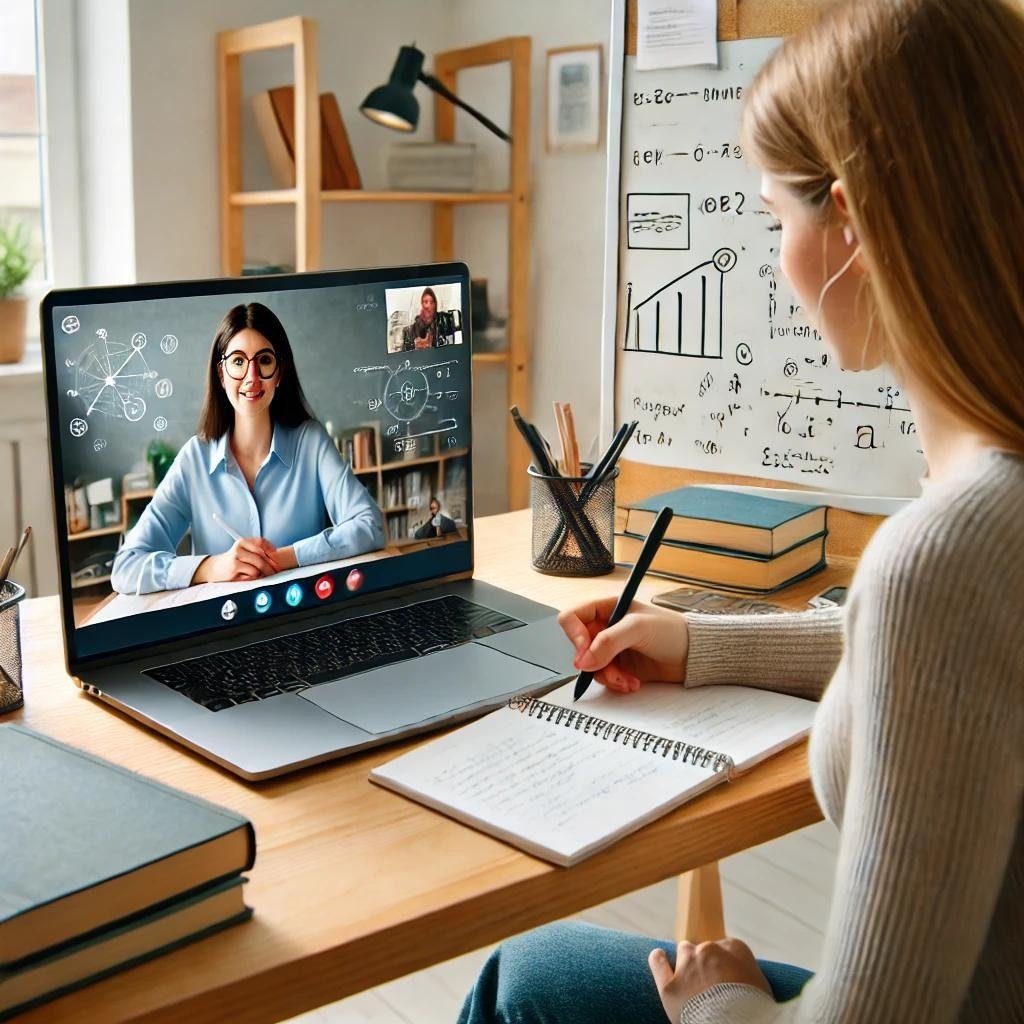
If you are knowledgeable in a school subject, language, computer skill, or another useful topic, you can offer tutoring online or in your local area.
How to start:
- Select one subject you can teach confidently.
- Decide whether lessons will be online or in person.
- Prepare a sample lesson and a simple price list.
- Advertise to parents, students, or relevant community groups.
Estimated startup cost: $0–$50 if you already have the required equipment.
Potential earnings: You might charge $8–$25 per hour, depending on the subject, location, and your experience.
Focus on helping students achieve clear learning goals. Positive feedback and referrals can help you find more clients.
7. Website Setup for Small Businesses
Many small businesses need a basic website but cannot afford a large agency. You can offer simple websites using beginner-friendly website builders or WordPress.
How to start:
- Learn how to create a basic business website.
- Build a demo website for a fictional restaurant or service business.
- Offer a clear package with defined pages and features.
- Approach businesses that have no website or an outdated one.
Estimated startup cost: $30–$100 for learning resources, a domain, or basic tools. Actual costs depend on the platform and hosting requirements.
Potential earnings: A basic website project might earn $100–$500 or more, depending on the scope and your skills.
Be transparent about your experience. Include only the features you can deliver, and explain separately whether domain names, hosting, maintenance, and premium plugins are included.
8. Cleaning Services
A small cleaning service can be started with a limited budget if you already have basic supplies or can begin with a small number of jobs. Possible customers include busy households, small offices, and rental property owners.
How to start:
- Choose the type of cleaning you want to offer.
- Purchase essential supplies within your budget.
- Set clear prices based on the size and condition of the property.
- Promote your service through local groups and personal referrals.
Estimated startup cost: $50–$100 if you start with basic supplies.
Potential earnings: A small job may pay $25–$80 or more, depending on the location, property size, and work required.
Check local licensing, insurance, and safety requirements before accepting jobs. Avoid purchasing expensive equipment until demand justifies it.
9. Reselling Used Products
Reselling involves purchasing products at a low price and selling them for more. You can begin with items such as books, small household goods, accessories, or used electronics that you understand well.
How to start:
- Research which products sell regularly in your area.
- Compare prices on local marketplaces.
- Start with one or two inexpensive items.
- Take clear photographs and write honest descriptions.
- Reinvest part of your profit into additional stock.
Estimated startup cost: $50–$100.
Potential earnings: Profit varies considerably. For example, buying an item for $10 and selling it for $18 produces an $8 gross margin before transport, platform fees, and other expenses.
Inspect items carefully, disclose defects, and avoid counterfeit or unsafe products. Do not spend your entire budget on stock before testing demand.
10. Personalized Gifts
Personalized gifts such as custom cards, gift boxes, name labels, celebration hampers, and handmade decorations can appeal to customers buying presents for birthdays, weddings, and special occasions.
How to start:
- Choose a small selection of products.
- Make sample designs or display mock-ups.
- Share photographs on social media.
- Take orders before purchasing large quantities of materials.
- Offer clear delivery dates and customization options.
Estimated startup cost: $30–$100.
Potential earnings: A small gift order might generate $5–$25 in gross profit, depending on materials, packaging, and selling price.
Keep customization manageable. Too many product choices can increase costs and make orders difficult to fulfill.
11. Pet Sitting or Dog Walking
In areas where pet owners need help while working or traveling, pet sitting and dog walking can become a small service business.
How to start:
- Decide which services you can safely provide.
- Build trust with references and clear communication.
- Start with people you know or referrals.
- Agree on responsibilities, schedules, emergency contacts, and payment before each booking.
Estimated startup cost: $0–$100, depending on transport and basic supplies.
Potential earnings: You might charge $10–$30 per walk or visit, depending on location, duration, and responsibilities.
Only accept animals you can handle safely. Check local rules and consider appropriate insurance before expanding.
12. Local Business Marketing
Local business marketing helps shops, restaurants, salons, and other service providers become easier to find online. Services may include setting up or improving business listings, preparing promotional content, and helping customers discover the business through search and social media.
How to start:
- Learn the basics of local search and business profiles.
- Create a sample marketing audit for a local business.
- Offer one clear service, such as profile optimization or a monthly content package.
- Contact business owners with specific, honest suggestions.
Estimated startup cost: $0–$100.
Potential earnings: A small one-time project might pay $50–$200, depending on the work involved and your experience.
Never promise guaranteed rankings or a fixed number of new customers. Explain what work you will perform and measure results where possible.
How to Start a Business With $100: Step-by-Step Guide
Choosing a business idea is only the first step. You also need a practical plan to use your limited budget wisely.
Step 1: Choose One Business Idea
Select an idea that matches your skills, available time, and local demand. If you already know graphic design, for example, selling design services may be easier than buying products for resale.
Step 2: Research Your Customers
Identify who is most likely to pay for your service or product. Review competitors, ask potential customers what they need, and compare typical prices. Try to confirm demand before spending money.
Step 3: Divide Your $100 Budget
An example budget for a service business could look like this:
| Expense | Budget |
|---|---|
| Basic tools or supplies | $25 |
| Portfolio or sample work | $15 |
| Marketing and promotion | $20 |
| Internet, transport, or other essentials | $20 |
| Emergency reserve | $20 |
| Total | $100 |
This is only an example. Your actual budget will depend on your business, and you may be able to start with less by using free tools.
Step 4: Create a Simple Offer
Tell customers exactly what they will receive, how long it will take, and what it costs. A specific offer is easier to understand than a general statement that you provide many different services.
Step 5: Find Your First Customers
Contact people and businesses that are likely to need your offer. Use personal referrals, local community groups, relevant freelance platforms, or direct outreach where permitted. Personalize your message instead of sending spam.
Step 6: Deliver Quality Work
Complete the job on time, communicate clearly, and ask for honest feedback. Good service can lead to repeat business and referrals, which are especially valuable when your marketing budget is small.
Step 7: Track Your Money
Record every sale and expense. Revenue is not the same as profit. Calculate your profit after supplies, fees, transport, advertising, taxes, and other business costs.
Step 8: Reinvest Carefully
When you begin earning, reinvest only in things that help you serve customers better or increase sales. Avoid taking on unnecessary debt or paying for expensive tools before you need them.
Common Mistakes to Avoid
Starting with $100 requires careful decisions. Avoid these common mistakes:
- Spending the full budget before finding a customer.
- Buying unnecessary software, courses, or equipment.
- Offering too many services at once.
- Copying competitors without understanding customer needs.
- Ignoring delivery costs, taxes, platform fees, and other expenses.
- Expecting immediate profit or guaranteed income.
- Falling for schemes that promise easy money or require large upfront payments.
Final Thoughts
You do not need a large investment to begin building a business. Freelance writing, social media management, graphic design, tutoring, website setup, and local services are examples of businesses you may be able to start with $100 or less.
The best choice depends on your skills, your customers, and the resources you already have. Start with one clear offer, test whether people will pay for it, keep your expenses low, and improve as you learn.
Your first goal should not be to build a huge company overnight. It should be to find your first paying customer, deliver real value, and create a repeatable way to earn income.