

Starting a business from home is a great way to earn money without spending a large amount on renting an office, hiring employees, or purchasing expensive equipment. Many successful businesses begin with simple ideas that people can manage from their homes using a computer, smartphone, and internet connection.
Whether you are a student, stay-at-home parent, full-time employee, freelancer, or someone looking for an additional source of income, starting a home-based business can give you more flexibility and control over your working hours.
One of the biggest advantages of a home business is that you can start small and gradually expand as you gain experience and customers. Some businesses require professional skills, while others can be started with basic knowledge and a willingness to learn.
In this guide, we will explore 15 easy businesses you can start from home, how they work, what you need to get started, and how to find your first customers.
Why Start a Business From Home?
Table of Contents
A home-based business offers several advantages, especially for beginners who want to start earning money without making a large financial investment.
1. Lower Startup Costs
Starting a business from home can help you save money because you do not need to rent a commercial office or shop. You can use your existing computer, smartphone, internet connection, and other household resources.
2. Flexible Working Hours
Many home businesses allow you to decide when and how long you want to work. This flexibility is useful for people who have jobs, family responsibilities, or studies.
3. Opportunity to Work With International Customers
Online businesses make it possible to reach customers from different countries. You can offer services, sell products, or manage projects for clients without physically visiting their locations.
4. Easy Business Expansion
You can begin with a small number of customers and gradually increase your services, products, and income opportunities as your business grows.
5. Better Control Over Your Work
Running your own business allows you to make decisions about pricing, services, customer relationships, and business goals.
15 Easy Businesses to Start From Home

Here are 15 practical home business ideas that beginners can explore without needing a traditional office or commercial location.
1. Freelance Writing Business
Freelance writing is a good home business for people who enjoy writing articles, blog posts, website content, product descriptions, and social media captions.
Many companies and website owners need fresh content to attract customers and improve their online presence. Instead of hiring full-time writers, some businesses prefer working with freelancers.
To get started, choose a writing category such as technology, travel, business, finance, or lifestyle. Create a few sample articles to demonstrate your writing ability and build a portfolio.
You can find potential customers through freelance platforms, professional networking websites, and direct communication with businesses.
As you gain experience, you can increase your prices and offer additional services such as editing, proofreading, and content planning.
2. Social Media Management

Social media management is another home business that can be started with a computer, internet connection, and knowledge of social media platforms.
Many small businesses want to maintain active Instagram, Facebook, TikTok, and LinkedIn accounts but do not have enough time to manage them.
A social media manager helps businesses create posts, schedule content, respond to comments, and maintain consistent online communication.
You can start by offering services to local restaurants, clothing stores, salons, gyms, and other small businesses.
Create sample posts and a simple portfolio to show potential clients what you can do.
With experience, you can expand into social media advertising, content strategy, and complete account management.
3. Graphic Design Business
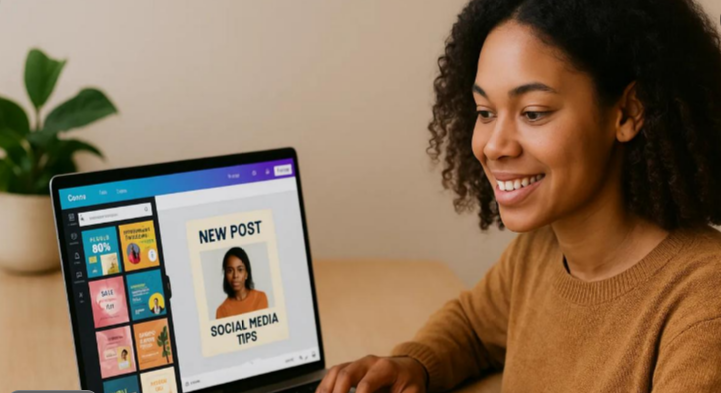
Graphic design is a useful home business for creative people who enjoy creating visual content.
Businesses regularly need logos, advertisements, banners, business cards, product images, and social media designs.
Beginners can learn graphic design using tools such as Canva. More advanced designers can explore professional software such as Adobe Photoshop and Illustrator.
Start by creating sample designs for different industries. Upload your work to a portfolio and approach small businesses that may need regular design services.
You can charge customers per design, per project, or through monthly packages.
4. Online Tutoring Business
If you have good knowledge of a particular subject, online tutoring can become a practical home-based business.
Students around the world need help with subjects such as mathematics, science, English, computer studies, and business.
You can provide lessons through video calls and online learning platforms.
To start, select a subject you understand well, decide which age group you want to teach, and prepare simple lesson materials.
You can promote your tutoring services through social media, educational communities, and personal referrals.
5. Virtual Assistant Business
A virtual assistant provides administrative and organizational support to businesses and professionals remotely.
Common responsibilities include managing emails, scheduling appointments, organizing documents, updating spreadsheets, researching information, and handling customer inquiries.
Many entrepreneurs and small business owners need assistance with daily administrative tasks but cannot afford full-time employees.
You can start by identifying the services you are comfortable providing and creating a simple list of packages.
Good communication, organization, time management, and basic computer skills are important for this business.
6. Print-on-Demand Business
Print-on-demand is an online business model that allows you to sell customized products without maintaining your own inventory.
You create designs for products such as T-shirts, mugs, phone cases, hoodies, and bags. When a customer places an order, a third-party supplier prints the design and ships the product.
You earn money from the difference between the selling price and your production and other business costs.
Platforms such as Printful and Printify can help beginners connect their designs with online stores.
To improve your chances of success, focus on a specific audience and create original designs that match its interests.
7. Blogging Business
Blogging is a home business where you create a website and publish useful articles about topics people search for online.
You can start a blog about business ideas, insurance, technology, travel, personal finance, cooking, or other subjects you understand.
As your website attracts visitors, you may earn money through display advertisements, affiliate marketing, sponsored content, and digital products.
However, blogging usually takes time because building website traffic and search engine visibility requires consistent publishing and quality content.
Choose a specific topic, create helpful articles, and learn basic search engine optimization (SEO) to improve your website’s visibility.
8. Affiliate Marketing Business
Affiliate marketing allows you to earn commissions by promoting products and services offered by other companies.
You receive a special tracking link from an affiliate program. When someone purchases through your link or completes another qualifying action, you may receive a commission.
You can promote products through a blog, YouTube channel, social media account, or email newsletter.
For example, you could create a website about technology and recommend smartphones, laptops, software, and online tools.
Start by selecting a niche, researching legitimate affiliate programs, and creating helpful content that attracts people interested in the products you recommend.
9. YouTube Content Creation
Starting a YouTube channel is another business opportunity you can manage from home.
You can create videos about education, technology, business, tutorials, product reviews, cooking, or entertainment.
You do not always need an expensive camera or professional studio. Many beginners start with a smartphone, basic editing software, and a simple recording setup.
YouTube offers different monetization opportunities, including advertising revenue for eligible channels, memberships, and other features depending on location and eligibility.
Focus on creating useful and original videos that provide value to a specific audience.
10. Online Clothing Business
An online clothing business allows you to sell fashion products without opening a physical store.
You can sell T-shirts, dresses, traditional clothing, accessories, children’s clothes, or customized fashion products.
Depending on your business model, you can keep a small inventory at home or work with suppliers who handle product fulfillment.
Social media platforms and ecommerce websites can help you display products, communicate with customers, and receive orders.
Start with a specific clothing category rather than trying to sell everything. Good product photographs, clear pricing, and reliable delivery services can help build customer trust.
11. Website Design Business
Many businesses need websites to present their services, attract customers, and sell products online.
If you learn website development, you can offer website creation services from home.
Beginners can start with website builders and content management systems such as WordPress. You do not necessarily need advanced programming knowledge to create simple business websites.
You can offer services such as business websites, landing pages, online stores, website redesigns, and basic maintenance.
Create a few sample websites to demonstrate your abilities and approach small businesses that need an online presence.
12. Online Translation Business
If you are fluent in two or more languages, translation services can become a home-based business.
Companies, students, website owners, and content creators sometimes need documents, articles, product descriptions, and other materials translated.
You can specialize in particular industries such as business, education, travel, or technology.
Start by preparing translation samples and building a portfolio that demonstrates your language skills.
Accuracy, grammar, cultural understanding, and meeting deadlines are essential for building a good reputation.
13. Handmade Products Business
If you enjoy making things by hand, you can turn your creativity into a home business.
Possible products include handmade jewelry, candles, decorative items, customized gifts, artwork, and home accessories.
You can produce items at home and sell them through social media, online marketplaces, or your own ecommerce website.
Begin with a small product collection and calculate material, packaging, delivery, and marketing costs before deciding your selling prices.
Attractive product photographs and personalized customer service can help your business stand out.
14. Online Customer Support Services
Many companies hire remote workers to handle customer questions, complaints, order updates, and general support requests.
You can offer customer support services independently or apply for remote customer service positions.
Common responsibilities include responding to emails, answering live chat messages, managing customer inquiries, and providing product information.
Good communication, patience, problem-solving abilities, and basic computer skills are important.
Some businesses require specific working hours, while others offer flexible arrangements.
15. Digital Products Business
Selling digital products is an interesting home business because you can create a product once and sell it multiple times.
Examples include:
- Printable planners
- Budget spreadsheets
- Resume templates
- Social media templates
- Online guides
- Educational ebooks
- Business document templates
- Digital artwork
You can create digital products using tools such as Canva, Microsoft Excel, and other design applications.
Sell your products through an ecommerce website or suitable digital marketplaces.
Choose products that solve a real problem for a particular audience. Make sure your products are original and that you have the necessary rights to use any included content.
How Much Money Do You Need to Start a Home Business?
The amount of money required depends on the type of business you choose.
Some service-based businesses can begin with equipment you already own, while product-based businesses may require money for materials, inventory, packaging, and shipping.
Here are some general startup cost considerations:
Freelance Writing: You may only need a computer, internet connection, and writing tools.
Social Media Management: You can begin with basic design tools and social media scheduling software.
Graphic Design: You can start with free design tools and upgrade to professional software as your business grows.
Blogging: You may need to pay for a domain name, web hosting, and website-related services.
Online Clothing Store: You may need an initial product budget, packaging materials, and delivery arrangements.
Digital Products: You can begin using free or low-cost design tools, although marketing and marketplace fees may apply.
Before starting, calculate your expenses and avoid spending heavily on tools or services you do not need.
How to Find Your First Customers
Finding customers is one of the biggest challenges for new business owners. Even if you offer excellent products or services, people need to know that your business exists.
Here are some practical ways to find your first customers.
Create Professional Social Media Accounts
Set up business accounts on platforms where your target customers spend time. Share useful information, examples of your work, product photographs, and customer testimonials.
Build a Simple Website or Portfolio
A website or portfolio helps potential customers understand your services and see examples of your work.
Include your contact information, services, pricing information where appropriate, and examples of completed projects.
Use Freelance Platforms
Websites such as Fiverr and Upwork allow freelancers to create profiles and offer services to potential customers.
Create a professional profile and clearly explain what you can deliver.
Contact Small Businesses Directly
Make a list of businesses that could benefit from your services.
For example, if you offer graphic design, contact restaurants, clothing stores, and online shops that need promotional designs.
Send a short, professional message explaining how you can help them.
Ask for Referrals
When you complete a project successfully, ask satisfied customers to recommend your services to other people.
Personal recommendations can help new businesses build trust and find additional customers.
Common Mistakes to Avoid When Starting a Home Business
Starting a business from home can be easier than opening a traditional shop, but it still requires planning and consistent effort.
Avoid these common mistakes:
Starting Without Research: Before choosing an idea, research customer demand, competitors, pricing, and potential expenses.
Spending Too Much Money Initially: Avoid purchasing expensive equipment, subscriptions, or inventory before understanding whether customers are interested in your offer.
Trying to Sell Everything: Focus on a specific product or service instead of targeting too many unrelated markets.
Ignoring Marketing: A good business needs visibility. Use social media, search engines, networking, and direct communication to reach potential customers.
Setting Unrealistic Expectations: Most businesses need time to attract customers and generate consistent income. Do not expect immediate profits.
Ignoring Customer Service: Responding professionally, delivering work on time, and resolving customer problems can help build long-term relationships.
Not Tracking Expenses: Keep records of business income, expenses, taxes, and other financial activities from the beginning.
Frequently Asked Questions About Easy Home Businesses
What Is the Easiest Business to Start From Home?
Freelance writing, virtual assistance, social media management, online tutoring, and graphic design are among the accessible options for beginners. The easiest choice depends on your existing skills, available equipment, and interests.
Can I Start a Home Business With No Money?
Yes, some service-based businesses can be started with almost no additional investment if you already have a computer or smartphone and an internet connection.
Examples include freelance writing, virtual assistance, and social media management. However, you may still have expenses related to internet access, business registration, or professional tools.
Which Home Business Is Most Profitable?
There is no single home business that guarantees the highest profits. Profitability depends on customer demand, competition, pricing, expenses, skills, and business management.
Some businesses, such as website design, digital products, consulting, and specialized online services, can offer opportunities for good profit margins.
Can I Run a Home Business While Working a Full-Time Job?
Yes. Many people start home businesses as part-time projects while continuing their regular employment.
You can work on your business during evenings, weekends, or other available hours. However, check your employment agreement and any local rules that may apply.
Do I Need a Website to Start a Home Business?
Not always. You can begin using social media accounts, freelance platforms, or online marketplaces.
However, having your own website can improve your professional image and provide a central place for customers to learn about your products or services.
How Long Does It Take to Make Money From a Home Business?
The timeline depends on the business model. Freelancers may find their first paying customer relatively quickly, while blogging, affiliate marketing, and YouTube businesses may take months or longer to build an audience and generate consistent revenue.
What Skills Are Useful for Running a Home Business?
Communication, marketing, time management, customer service, basic financial management, and problem-solving are useful skills for almost every home business.
Learning digital tools and understanding your target customers can also improve your chances of success.
Final Thoughts
Starting a business from home can be a practical way to create additional income, develop new skills, and build something of your own. You do not always need a large investment, a commercial office, or a team of employees to begin.
Businesses such as freelance writing, social media management, graphic design, online tutoring, virtual assistance, blogging, affiliate marketing, and digital product sales offer different opportunities for beginners.
The most important step is choosing a business that matches your skills, interests, available budget, and customer demand.
Start with a simple plan, research your market, focus on finding your first customers, and improve your services as you gain experience.
A successful home business does not happen overnight, but with patience, consistency, and good planning, a small idea can gradually develop into a sustainable business.




Pingback: Best Smartwatches: 12 Features Worth Paying For