

Medical treatment can be expensive, especially when someone needs emergency care, surgery, hospital treatment, or prescription medication. Health insurance helps individuals and families manage these expenses by sharing eligible healthcare costs with an insurance company.
Whether you are buying your first policy or comparing different plans, understanding health insurance is important. The right plan can help protect your finances and make healthcare more accessible.
In this guide, we explain what health insurance is, its major benefits, common costs, what it covers, and how to choose a suitable plan in the United States.
What Is Health Insurance?
Table of Contents
Health insurance is a type of coverage that helps pay for medical expenses. You generally pay a monthly amount called a premium to keep your policy active.

When you receive medical treatment, your insurance company pays some or all of the eligible costs according to your policy. You may still need to pay deductibles, copayments, or coinsurance.
Health insurance can be obtained through different sources, including:
- An employer-sponsored health plan
- The Health Insurance Marketplace
- A private insurance company
- Government programs such as Medicare or Medicaid, if eligible
The coverage, costs, and eligibility requirements depend on the type of plan you choose.
10 Important Benefits of Health Insurance
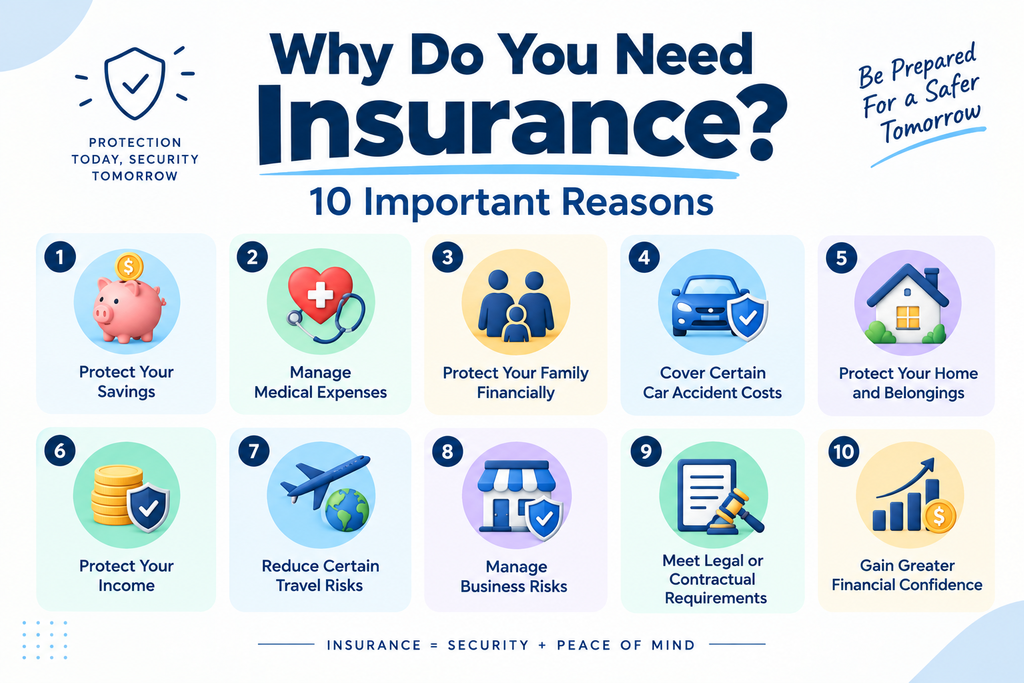
Health insurance offers several benefits that can help individuals and families manage their healthcare needs.
1. Helps Pay Medical Expenses
One of the biggest benefits of health insurance is financial support for eligible medical expenses.
Depending on your policy, the insurance company may pay part of the cost of doctor visits, hospital stays, tests, and other covered treatments.
2. Covers Hospitalization
Hospital treatment can involve significant expenses, particularly when surgery or an overnight stay is necessary.
Many health insurance plans cover eligible hospitalization expenses, although deductibles, copayments, network rules, and coverage limits may apply.
3. Supports Preventive Healthcare
Preventive services help identify potential health problems before they become more serious.
Many US Marketplace plans cover certain preventive services without additional cost-sharing when you use an in-network provider. Examples may include recommended screenings, immunizations, and wellness services.
4. Provides Access to Prescription Drugs
Many health insurance plans include prescription drug coverage.
The amount you pay depends on your plan’s drug list, pharmacy network, deductible, and copayment or coinsurance requirements.
5. Offers Emergency Medical Coverage
Medical emergencies can happen unexpectedly.
Health insurance generally includes coverage for eligible emergency services. However, the exact payment rules and any costs you owe depend on your plan.
6. Supports Mental Health Services
Many US Marketplace plans cover mental health and substance use disorder services.
Depending on the policy, benefits may include counseling, psychotherapy, and other eligible treatments.
7. Covers Pregnancy and Maternity Care
Marketplace plans cover maternity and newborn care as essential health benefits.
This can include eligible prenatal care, childbirth-related services, and postnatal care. Specific coverage details depend on the policy.
8. Helps Manage Long-Term Health Conditions
People who need ongoing medical care may benefit from coverage for eligible doctor visits, prescription medications, laboratory tests, and disease-management services.
Always check whether your required doctors, treatments, and medications are included in the plan.
9. Offers Financial Protection
Without insurance, a major medical event could create a large financial burden.
Health insurance helps share covered medical expenses, although it does not eliminate every healthcare cost.
10. Provides Coverage for Families
Some plans allow eligible family members to receive coverage under one policy.
Family health insurance can help parents, spouses, and children manage healthcare expenses through a shared plan.
What Does Health Insurance Cover?
In the United States, all plans offered through the Health Insurance Marketplace cover ten categories of essential health benefits.
These include:
| Essential Benefit | What It Includes |
|---|---|
| Outpatient care | Medical services without hospital admission |
| Emergency services | Eligible emergency treatment |
| Hospitalization | Surgery and overnight hospital stays |
| Maternity and newborn care | Pregnancy, childbirth, and newborn services |
| Mental health services | Behavioral health and substance use treatment |
| Prescription drugs | Covered prescription medications |
| Rehabilitative services | Services that help people recover or improve abilities |
| Laboratory services | Eligible medical tests |
| Preventive and wellness care | Screenings, vaccines, and wellness services |
| Pediatric services | Children’s healthcare, including dental and vision care |
Adult dental and vision coverage are not essential health benefits under these Marketplace requirements, although some plans offer them separately or as additional benefits.
Coverage details can vary by state and by individual plan. Always read the policy documents before enrolling.
What Does Health Insurance Usually Not Cover?
Health insurance does not automatically pay for every medical service.
Depending on your policy, exclusions or limitations may apply to:
- Cosmetic procedures that are not medically necessary
- Certain experimental treatments
- Services received outside the plan’s network
- Some alternative therapies
- Treatments not included in the policy
- Adult dental or vision services when not included in the plan
Some services may be covered only when specific medical conditions or approval requirements are met.
Check the policy’s exclusions and limitations section to understand what you may need to pay yourself.
How Much Does Health Insurance Cost in 2026?
The cost of health insurance in the United States varies from person to person.
Your monthly premium may depend on factors such as:
- Your age
- Where you live
- Whether you are buying individual or family coverage
- The plan you select
- Whether you qualify for financial assistance
- Whether you use tobacco, where applicable
There is no single price that applies to everyone.
For eligible people purchasing Marketplace coverage, premium tax credits may reduce monthly costs. The actual amount depends on household and eligibility details.
To compare plans, look beyond the monthly premium. Consider your deductible, copayments, coinsurance, prescription costs, and out-of-pocket maximum.
Understanding Common Health Insurance Costs
Before choosing a policy, understand these four important terms.
1. Premium
A premium is the amount you pay regularly, usually every month, to maintain your health insurance coverage.
For example, if your monthly premium is $300, you pay $300 each month whether or not you visit a doctor.
2. Deductible
A deductible is the amount you pay for certain covered healthcare services before your insurance plan starts paying its share.
For example, if your deductible is $1,500, you may need to pay the first $1,500 of eligible expenses before certain benefits begin sharing costs.
Some services may be covered before you meet the deductible.
3. Copayment
A copayment, or copay, is a fixed amount you pay for a covered service.
For example, your plan might require a $30 payment for a doctor visit.
4. Coinsurance
Coinsurance is the percentage of an eligible medical bill that you pay after meeting the applicable deductible.
For example, if your coinsurance is 20%, you pay 20% of the covered cost and your insurance company pays the remaining 80%, subject to the policy rules.
What Is an Out-of-Pocket Maximum?
An out-of-pocket maximum is the most you pay during a plan year for covered services that count toward the limit.
After reaching this limit, your plan generally pays 100% of covered services for the rest of the plan year.
Monthly premiums, non-covered services, and certain other expenses do not count toward this limit.
Types of Health Insurance Plans
There are several types of health insurance plans available in the United States.
1. Employer-Sponsored Health Insurance
Many employers offer health insurance as part of their employee benefits.
The employer may pay some or all of the premium, while the employee pays the remaining amount.
2. Individual Health Insurance
Individual health insurance is purchased directly by a person rather than through an employer.
You can compare eligible options through the Health Insurance Marketplace or private insurers.
3. Family Health Insurance
Family plans provide coverage for eligible family members under one policy.
They can be useful for households that want to manage their healthcare coverage together.
4. Medicare
Medicare is a federal health insurance program primarily for people aged 65 and older, as well as certain younger people who qualify because of disabilities or specific medical conditions.
It has different parts with different benefits and costs.
5. Medicaid
Medicaid is a government health coverage program for eligible individuals and families with limited income and resources. Eligibility rules vary by state.
6. Short-Term Health Insurance
Short-term health insurance may provide temporary coverage in certain situations.
However, these policies do not necessarily provide the same protections and benefits as comprehensive Marketplace plans. Carefully review exclusions, limitations, and eligibility rules before buying one.
How to Choose the Right Health Insurance Plan
Choosing health insurance requires more than finding the cheapest monthly premium.
Consider these factors before making a decision.
1. Compare Monthly Premiums
Check how much each plan will cost every month.
A lower premium may be attractive, but it can come with a higher deductible or other out-of-pocket costs.
2. Check the Deductible
Make sure you understand how much you may need to pay before your plan starts sharing certain medical expenses.
3. Review the Doctor and Hospital Network
Check whether your preferred doctors, specialists, clinics, and hospitals are included in the plan’s network.
Using out-of-network providers may result in higher expenses or no coverage for certain non-emergency services.
4. Check Prescription Drug Coverage
If you regularly take medication, confirm that your prescriptions are covered and check their costs.
5. Compare the Out-of-Pocket Maximum
This limit can help you understand your potential financial responsibility for covered services during the plan year.
6. Read the Policy Documents
Review the Summary of Benefits and Coverage, exclusions, limitations, and provider network information before enrolling.
Where Can You Buy Health Insurance in the USA?
There are several ways to find health insurance in the United States.
1. Health Insurance Marketplace
You can compare available Marketplace plans and check whether you qualify for financial assistance through:
2. Employer
Ask your employer or human resources department about available health insurance benefits.
3. Private Insurance Companies
You can contact insurers directly to compare available policies and coverage options.
4. Government Programs
If you meet the eligibility requirements, you may qualify for Medicare or Medicaid.
Frequently Asked Questions About Health Insurance
Is health insurance worth buying?
For many people, health insurance can provide valuable financial protection against eligible medical expenses. Whether a particular plan is worth its cost depends on your healthcare needs, budget, and available alternatives.
Does health insurance cover doctor visits?
Many health insurance plans cover eligible doctor visits. You may still need to pay a copayment, coinsurance, or deductible depending on the policy.
Does health insurance cover surgery?
Many comprehensive plans cover medically necessary surgeries, subject to policy rules, network requirements, and any required approvals.
Can I buy health insurance without an employer?
Yes. Individuals can explore Marketplace plans or private insurance options without receiving coverage through an employer.
What is the difference between a premium and a deductible?
A premium is the regular amount you pay to keep your insurance active. A deductible is the amount you pay for certain covered services before your plan starts sharing those costs.
Can health insurance cover my entire family?
Some policies offer family coverage for eligible dependents. The premium and deductible structure may differ from individual coverage.
Final Thoughts
Health insurance is an important financial and healthcare decision. It can help individuals and families manage eligible medical expenses, access preventive services, and reduce the financial impact of unexpected health problems.
Before purchasing a plan, compare its benefits, monthly premium, deductible, provider network, prescription coverage, and out-of-pocket maximum.
The best health insurance plan is not necessarily the cheapest one. It is the plan that offers suitable coverage for your healthcare needs and budget.
Take time to compare your options and read the policy details carefully before enrolling.






Pingback: Life Insurance: Term vs. Whole Life – Which Is Better
Pingback: Car Insurance: Coverage, Costs, and Tips for 2026