

Life insurance can help protect your family’s financial future if you pass away. However, choosing the right policy can be confusing because there are different types of coverage available.
Two of the most common options in the United States are term life insurance and whole life insurance. Both provide a death benefit to your beneficiaries, but they work differently.
Term life insurance provides coverage for a specific period, while whole life insurance is designed to provide lifelong coverage and build cash value over time.
In this guide, we will explain the differences between term vs. whole life insurance, their costs, benefits, disadvantages, and how to decide which option may suit your needs.
What Is Term Life Insurance?
Term life insurance is a policy that provides coverage for a specific period, such as 10, 20, or 30 years.
If the insured person passes away while the policy is active, the insurance company generally pays the agreed death benefit to the named beneficiaries.
For example, imagine you purchase a 20-year term life insurance policy with a $500,000 death benefit.
If you pass away during those 20 years while the policy is active, your beneficiaries may receive the $500,000 benefit, subject to the policy terms.
If you outlive the policy term, the coverage normally ends and no death benefit is paid.
Benefits of Term Life Insurance
Table of Contents
- Lower initial premiums: Term policies generally cost less than whole life policies for comparable death benefits.
- Simple coverage: You pay premiums for protection during a selected period.
- Higher coverage amounts: You may be able to purchase a larger death benefit for a lower premium than a comparable whole life policy.
- Useful for temporary financial responsibilities: It can help protect a family while paying a mortgage, raising children, or covering other financial obligations.
- Different term options: Many insurers offer coverage periods such as 10, 20, or 30 years.
Disadvantages of Term Life Insurance
- Coverage ends when the selected term expires unless the policy is renewed or converted.
- Most term policies do not build cash value.
- Renewal premiums may be significantly higher.
- Buying a new policy later may be more difficult or expensive if your health has changed.
What Is Whole Life Insurance?

Whole life insurance is a type of permanent life insurance designed to provide coverage throughout your lifetime, as long as the policy remains in force and its requirements are met.
Unlike term life insurance, whole life policies generally include a cash value component that grows over time according to the policy’s terms.
For example, imagine you purchase a whole life policy with a $250,000 death benefit.
You pay the required premiums according to the policy schedule. Over time, the policy may build cash value that you can potentially access through a withdrawal or policy loan.
If you pass away while the policy is active, your beneficiaries generally receive the policy’s death benefit, subject to any outstanding loans and the policy terms.
Benefits of Whole Life Insurance
- Lifetime coverage: It is designed to remain active throughout your life if policy requirements are met.
- Cash value growth: The policy builds cash value over time.
- Predictable premiums: Traditional whole life policies generally have fixed scheduled premiums.
- Policy loans: You may be able to borrow against the accumulated cash value.
- Financial planning: It may help people who want permanent life insurance as part of a broader financial plan.
Disadvantages of Whole Life Insurance
- Higher premiums: Whole life insurance generally costs considerably more than term coverage.
- Slow early cash value growth: Cash value may be relatively low during the first years of the policy.
- Complexity: Understanding policy values, loans, dividends, and surrender charges can be difficult.
- Risk of losing coverage: If you stop paying premiums without using an available policy option, the policy may lapse.
- Loans reduce benefits: Outstanding policy loans and interest may reduce the amount paid to beneficiaries.
Term vs. Whole Life Insurance: Key Differences
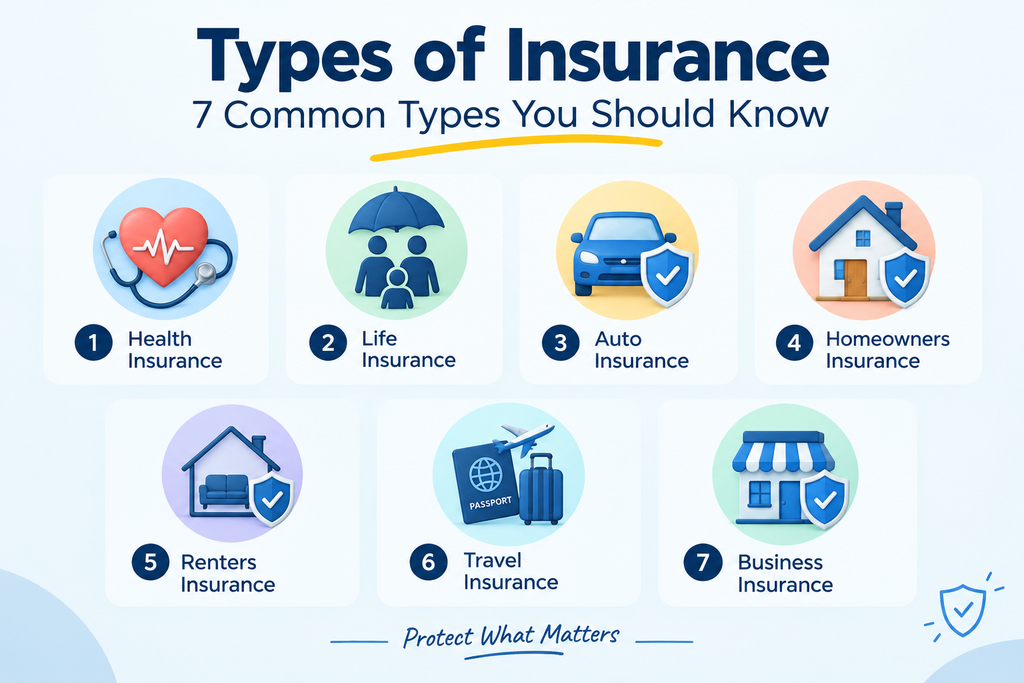
Here is a simple comparison of both types of life insurance.
| Feature | Term Life Insurance | Whole Life Insurance |
|---|---|---|
| Coverage period | Fixed period | Lifetime, if maintained |
| Premiums | Generally lower initially | Generally higher |
| Cash value | Usually none | Builds cash value |
| Death benefit | Paid if death occurs during the term | Generally paid whenever death occurs while active |
| Policy loans | Usually unavailable | May be available |
| Savings component | No | Yes |
| Policy complexity | Simpler | More complex |
| Best suited for | Temporary financial protection | Permanent coverage needs |
The right choice depends on your financial responsibilities, budget, long-term goals, and the type of protection you want.
How Much Does Term Life Insurance Cost?
Term life insurance is generally more affordable than whole life insurance, but the actual premium depends on several factors.
These include:
- Your age
- Your health and medical history
- Whether you use tobacco
- The coverage amount
- The policy term
- The insurance company’s underwriting rules
For example, a healthy 30-year-old may receive a different quote from a 50-year-old applying for the same coverage.
A 30-year term policy may also cost more than a 10-year term policy because the insurer is providing protection for a longer period.
To understand the actual cost, compare personalized quotes from multiple insurers rather than relying on a general online estimate.
How Much Does Whole Life Insurance Cost?
Whole life insurance generally has higher premiums because it provides permanent coverage and includes a cash value component.
The price depends on:
- Your age when you purchase the policy
- Your health and medical history
- The death benefit amount
- The premium payment schedule
- The insurance company’s pricing and policy features
A whole life policy purchased at a younger age may have lower premiums than the same type of policy purchased later.
Before buying, ask the insurer for a policy illustration showing guaranteed values, projected values, premium requirements, and any applicable charges.
Do not assume that every projected value or dividend is guaranteed.
Term Life vs. Whole Life: Which Is Better for Families?
Both types of insurance can help families, but they serve different purposes.
When Term Life Insurance May Be Better
Term life insurance may be worth considering if:
- You have young children who depend on your income.
- You have a mortgage or other major debt.
- You want affordable coverage for a specific number of years.
- You need financial protection while your children are growing up.
- Your budget does not allow for expensive permanent coverage.
For example, parents may choose a 20-year or 30-year term policy to provide financial protection while their children are financially dependent on them.
When Whole Life Insurance May Be Better
Whole life insurance may be worth considering if:
- You want coverage designed to last your entire life.
- You have a long-term need to leave money to beneficiaries.
- You want a policy with a cash value feature.
- You can comfortably afford the required premiums.
- Permanent coverage fits into your broader financial planning.
Whole life is not automatically the better choice just because it builds cash value. Consider the total premiums, policy guarantees, charges, and alternatives before purchasing.
Can You Have Both Term and Whole Life Insurance?

Yes. Some people choose to combine term and whole life insurance.
For example, a person might purchase a whole life policy for permanent coverage and add a term policy to provide extra protection while a mortgage is outstanding or children are financially dependent.
This approach can provide different types of coverage for different financial needs.
However, maintaining multiple policies increases total insurance costs. Make sure the combined premiums fit your budget.
What Happens When Term Life Insurance Expires?
When a term life insurance policy reaches its expiration date, coverage normally ends.
Depending on the policy, you may have several options:
- Let the policy expire: Coverage ends, and no death benefit is paid if you outlive the term.
- Renew the policy: Some policies allow renewal, often with higher premiums.
- Convert the policy: Some term policies offer an option to convert to permanent coverage within a specified period.
- Apply for a new policy: You may seek new coverage, but your age and health can affect eligibility and cost.
Check your policy documents to understand the available options and deadlines before the term ends.
Can You Borrow Money From Whole Life Insurance?
Many whole life policies allow policyholders to borrow against their accumulated cash value.
A policy loan can provide access to money without applying for a traditional bank loan. However, it is not free money.
Important points to understand include:
- Interest is generally charged on the loan.
- Unpaid loan balances can reduce the death benefit.
- A large outstanding loan may put the policy at risk of lapsing.
- The amount available to borrow depends on the policy’s cash value and rules.
Ask the insurer to explain the loan interest rate and how borrowing affects the policy.
How to Choose Between Term and Whole Life Insurance
Before purchasing a policy, consider these important questions.
1. How Long Do You Need Coverage?
If you need protection for a specific period, term life may be suitable.
If you want coverage throughout your lifetime, whole life may be worth comparing.
2. What Is Your Budget?
Compare the premiums for both policies.
Do not purchase a policy with payments that you may struggle to maintain in the future.
3. Does Your Family Depend on Your Income?
Consider how your family would manage household expenses, mortgage payments, education costs, and outstanding debts if your income disappeared.
4. Do You Need Cash Value?
If building cash value is important to you, whole life may be worth considering.
However, compare its costs and features with other financial options rather than treating life insurance as a guaranteed investment solution.
5. Compare Multiple Insurance Companies
Get quotes from different insurers and compare their policy terms, financial strength, customer service, and available benefits.
6. Read the Policy Carefully
Understand the exclusions, premium schedule, renewal rights, conversion options, cash value guarantees, and surrender charges before signing.
Where Can You Buy Life Insurance in the USA?
You can explore life insurance through several channels.
1. Directly from Insurance Companies
Many insurers allow customers to request quotes and apply through their official websites.
2. Through Licensed Insurance Agents
An agent can explain policy options, coverage amounts, and application requirements.
3. Through Independent Insurance Brokers
Independent brokers may compare policies from multiple insurance companies.
4. Through Online Insurance Marketplaces
Some websites allow consumers to compare quotes from different insurers.
Before purchasing, verify that the insurer and agent are licensed to operate in your state. You can contact your state insurance department for assistance.
Frequently Asked Questions
Is term life insurance cheaper than whole life insurance?
Generally, yes. Term life insurance usually has lower initial premiums because it provides coverage for a specific period and normally does not build cash value.
Does whole life insurance last forever?
Whole life insurance is designed to provide lifetime coverage as long as the policy remains in force and its requirements are satisfied.
Can I get my money back from term life insurance?
Most standard term life policies do not return premiums when the policy expires. Some policies offer a return-of-premium feature, but these generally cost more.
Does whole life insurance build cash value?
Yes. Whole life policies are designed to build cash value over time according to their contractual terms.
Can I change term life insurance into whole life insurance?
Some term policies include a conversion option that allows you to convert to permanent coverage within a specified period. Check your policy for deadlines and conditions.
Which life insurance is best for young adults?
Term life may be a suitable starting point for young adults who need affordable financial protection for a specific period. However, the best choice depends on individual financial needs and long-term goals.
Do beneficiaries pay taxes on life insurance payouts?
In the United States, life insurance death benefits are generally not included in the beneficiary’s gross income. However, exceptions and special tax situations can apply, so professional tax advice may be necessary.
Final Thoughts
Choosing between term vs. whole life insurance depends on what you want your policy to accomplish.
Term life insurance generally offers affordable protection for a specific period, making it useful for people with temporary financial responsibilities.
Whole life insurance provides permanent coverage and builds cash value, but its premiums are usually much higher.
There is no single policy that is best for everyone. Compare the costs, benefits, coverage period, and financial requirements before making a decision.
The most important thing is to choose coverage that protects the people who depend on you without creating financial pressure you cannot maintain.






Pingback: Car Insurance: Coverage, Costs, and Tips for 2026