
Insurance is important because it protects you from unexpected financial losses. However, insurance premiums can become a major expense, especially when you have multiple policies for your car, home, health, or family.
The good news is that there are several ways to save money on insurance without giving up the protection you need. By comparing providers, choosing suitable coverage, asking about discounts, and reviewing your policies regularly, you may be able to reduce your insurance expenses.
In this guide, we will explain 15 practical ways to save money on insurance in the United States.
1. Compare Insurance Quotes From Different Companie
Table of Contents
One of the easiest ways to save money on insurance is to compare quotes from multiple insurance companies.
Different providers may charge different prices for similar coverage because they use different pricing methods, risk assessments, and discounts.
For example, one company may offer a lower car insurance premium, while another may provide better home insurance coverage.
Before purchasing a policy:
- Request quotes from at least three insurance companies.
- Compare coverage limits and deductibles.
- Check exclusions and additional fees.
- Review customer service and claims support.
- Compare the total annual cost, not just the monthly payment.
Do not choose a policy based only on its price. Make sure the coverage meets your needs.
2. Bundle Multiple Insurance Policies

Many insurance companies offer discounts when customers purchase more than one policy from the same provider.
This is commonly known as bundling.
For example, you may be able to combine:
- Auto insurance and home insurance
- Auto insurance and renters insurance
- Home insurance and umbrella insurance
Bundling can reduce your overall insurance expenses and make policy management easier.
However, bundling is not always the cheapest option. Compare the combined price with separate quotes from other providers before making a decision.
3. Increase Your Deductible Carefully
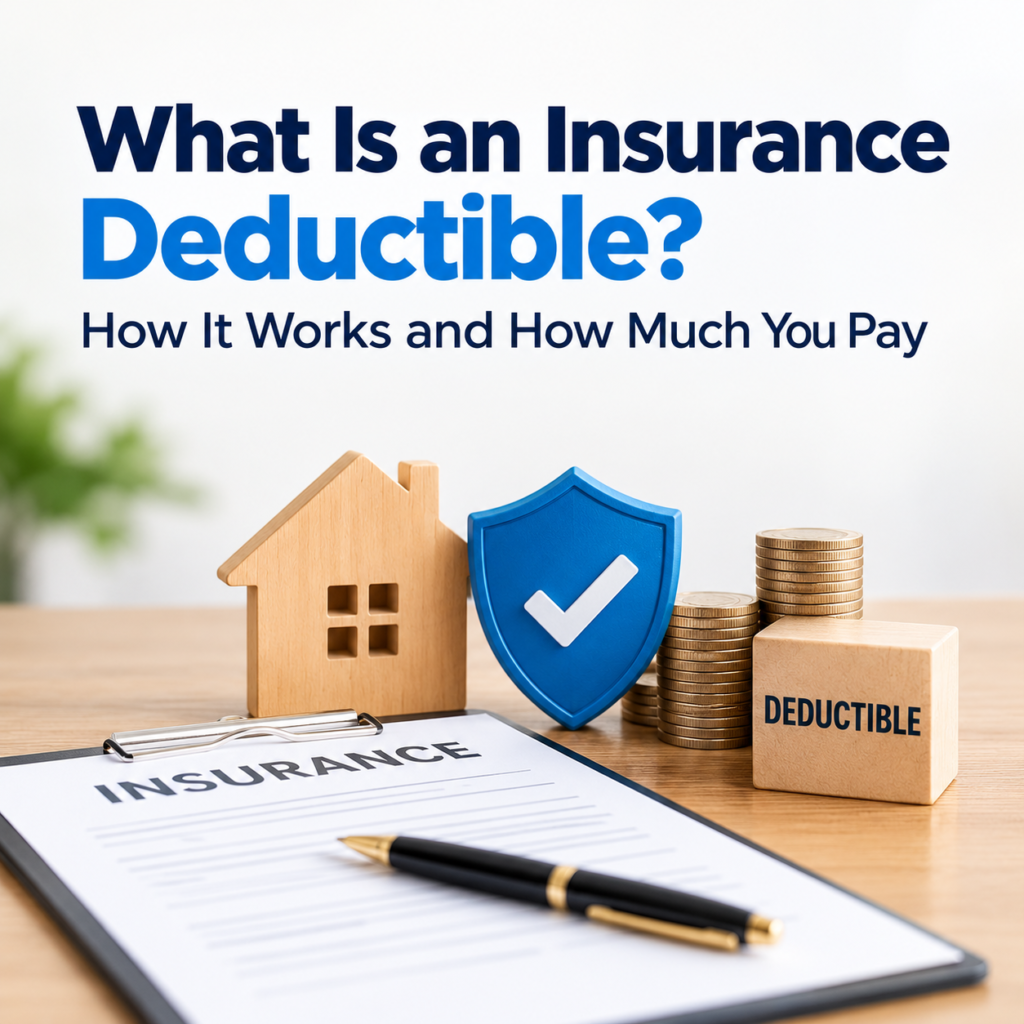
A deductible is the amount you pay out of pocket before your insurance company pays its share of a covered claim.
Some insurance policies offer lower premiums when you choose a higher deductible.
For example, imagine two auto insurance options:
- Plan A: $500 deductible with a higher premium.
- Plan B: $1,000 deductible with a lower premium.
Plan B may save money on monthly payments, but you would need to pay more if you file a covered claim.
Only choose a higher deductible if you can comfortably afford it in an emergency.
4. Ask About Available Insurance Discounts
Many insurance companies offer discounts that customers may not automatically receive.
Depending on the provider and policy, discounts may be available for:
- Safe driving records
- Multiple insurance policies
- Good student performance
- Home security systems
- Smoke detectors and safety devices
- Automatic premium payments
- Paperless billing
- Paying the full premium in advance
- Completing approved driver safety courses
Ask your insurance company which discounts you qualify for. Requirements vary between providers and states.
5. Maintain a Good Driving Record
If you have auto insurance, maintaining a clean driving record can help reduce your premiums.
Insurance companies often consider your driving history when calculating risk.
To maintain a good record:
- Follow traffic laws.
- Avoid speeding.
- Do not drive under the influence.
- Avoid distracted driving.
- Maintain a safe distance from other vehicles.
- Complete an approved defensive driving course if eligible for a discount.
A history of accidents and traffic violations may increase insurance costs, depending on state regulations and the insurer’s rating rules.
6. Review Your Insurance Coverage Every Year
Your insurance needs can change over time. A policy that was suitable last year may no longer be the best option.
Review your policies at least once a year and check whether:
- Your financial situation has changed.
- You have purchased or sold a vehicle.
- Your home value or property needs have changed.
- You are paying for unnecessary optional coverage.
- You qualify for new discounts.
- Another provider offers better value.
Avoid removing important coverage simply to reduce the premium. The goal is to pay for suitable protection, not to leave yourself financially exposed.
7. Improve Your Credit-Based Insurance Score Where Allowed
In many U.S. states, insurance companies may use credit-based insurance scores when calculating certain premiums, particularly for auto and homeowners insurance.
A credit-based insurance score is different from a regular credit score, although both may use information from credit reports.
Depending on your state, improving your credit history may help you qualify for better insurance rates.
Useful habits include:
- Paying bills on time.
- Reducing outstanding debt.
- Keeping credit card balances manageable.
- Checking credit reports for errors.
- Avoiding unnecessary credit applications.
Some states restrict or prohibit the use of credit information for certain insurance pricing decisions. Rules vary by state and insurance type.
8. Choose the Right Car Insurance Coverage
Auto insurance can be expensive, but choosing suitable coverage may help reduce costs.
Consider the following:
- Compare liability coverage limits.
- Review collision and comprehensive coverage.
- Check whether optional roadside assistance is necessary.
- Ask about usage-based insurance programs.
- Review coverage for older vehicles.
For an older vehicle with a low market value, collision or comprehensive coverage may not always be worth the cost.
However, consider your ability to replace or repair the vehicle before removing coverage. If you have a car loan or lease, your lender may require certain coverages.
9. Improve Your Home’s Safety and Security
Homeowners insurance premiums may be affected by the property’s location, construction, age, condition, and safety features.
Some insurance companies offer discounts for eligible home improvements, including:
- Security alarm systems.
- Smoke detectors.
- Fire alarms.
- Deadbolt locks.
- Water leak detection systems.
- Certain storm-resistant improvements.
Before spending money on upgrades, contact your insurer to confirm which improvements qualify for discounts.
10. Consider a Suitable Health Insurance Plan
Health insurance costs can vary significantly depending on your location, income, household size, coverage level, and eligibility for financial assistance.
To manage health insurance expenses:
- Compare available Marketplace plans.
- Check whether you qualify for premium tax credits.
- Compare monthly premiums and deductibles.
- Review copayments and coinsurance.
- Check whether your preferred doctors and hospitals are in-network.
- Compare prescription drug coverage.
A plan with a lower monthly premium may have a higher deductible and greater out-of-pocket expenses.
Consider the total potential cost of care rather than choosing a plan based only on its monthly price.
You can explore available coverage at HealthCare.gov.
11. Avoid Paying for Duplicate Coverage
Sometimes people pay for insurance benefits they already have through another policy, employer benefit, membership, or financial product.
For example, certain benefits may overlap between:
- Employer-sponsored insurance and individual policies.
- Travel insurance and credit card travel benefits.
- Rental car coverage and existing auto insurance.
- Separate policies covering similar property risks.
Review your existing coverage before purchasing another policy.
However, do not assume two policies provide identical protection. Check their terms, exclusions, limits, and coordination rules before cancelling anything.
12. Maintain a Healthy Lifestyle for Suitable Life Insurance Rates
Life insurance companies may consider factors such as age, medical history, tobacco use, and other health information when evaluating applications.
Depending on the insurer and policy, healthier applicants may qualify for more favorable rates.
Helpful habits include:
- Avoiding tobacco products.
- Maintaining a healthy weight.
- Staying physically active.
- Attending regular medical checkups.
- Providing accurate information during the application.
Never hide medical information or provide false answers to obtain a lower premium. Incorrect information can create serious problems when a claim is made.
13. Consider Term Life Insurance
If your main goal is affordable life insurance protection for a specific period, term life insurance may be worth considering.
Term life insurance provides coverage for a selected period, such as 10, 20, or 30 years.
It is often less expensive initially than permanent life insurance with similar death benefit amounts because it generally does not build cash value.
Term life insurance may be suitable for people who want financial protection during important years, such as while paying a mortgage or raising children.
Compare the policy term, premium, renewal conditions, and conversion options before purchasing.
14. Ask Your Insurance Company to Review Your Policy
You do not always need to switch insurance providers to save money.
Contact your current insurer and ask whether your policy can be reviewed for better pricing or available discounts.
You can ask:
- Am I receiving all eligible discounts?
- Can my coverage be adjusted to match my current needs?
- Are there cheaper payment options?
- Is there a lower-cost policy with similar protection?
- Have any changes in my circumstances affected my premium?
Sometimes a simple policy review can identify unnecessary costs or missed discounts.
15. Pay Attention to Renewal Dates and Policy Changes
Do not automatically renew your insurance policy without reviewing it.
Before renewal:
- Check the new premium.
- Review any changes in coverage.
- Compare the renewal offer with other providers.
- Ask about discounts.
- Confirm that your personal information is correct.
- Check cancellation and switching conditions.
Start comparing options before your current policy expires. This gives you enough time to avoid a coverage gap.
Common Mistakes That Can Cost You More Money
Trying to save money on insurance can sometimes create bigger financial problems.
Avoid these common mistakes:
Choosing the Cheapest Policy Without Comparing Coverage
A cheap policy may have lower coverage limits, higher deductibles, or more exclusions.
Removing Important Coverage
Reducing coverage may lower your premium, but it can leave you responsible for large expenses after an accident or unexpected event.
Ignoring Policy Exclusions
Always understand what your policy does not cover.
Missing Payment Deadlines
Late payments may lead to fees, cancellation, or a lapse in coverage, depending on the policy and applicable rules.
Not Comparing Prices at Renewal
Your premium may increase even if your circumstances have not changed. Comparing quotes can help you identify better options.
How Much Money Can You Save on Insurance?
There is no single amount that everyone can save. Your potential savings depend on your location, insurance history, provider, coverage needs, and available discounts.
For example, a driver may save money by qualifying for a safe-driving discount, while a homeowner may reduce costs through eligible security improvements.
A family with multiple policies may benefit from bundling, but another family may find cheaper coverage by purchasing separate policies.
The best approach is to compare the total cost of several suitable policies before making a decision.
Frequently Asked Questions
What is the easiest way to save money on insurance?
Comparing quotes from multiple insurance companies is one of the easiest ways to identify potential savings. You should also ask about discounts and review your coverage regularly.
Does bundling insurance always save money?
No. Bundling can provide discounts, but separate policies from different companies may sometimes cost less. Compare both options.
Does increasing my deductible lower my premium?
It often can, depending on the policy. However, you will have to pay more out of pocket if you make a covered claim.
Can I negotiate my insurance premium?
You can contact your insurer, ask for a policy review, and request information about available discounts or alternative coverage options. The company is not required to lower your premium.
Is it better to pay insurance monthly or annually?
Some insurers offer discounts for paying the full premium in advance. Others charge fees for monthly payment plans. Compare the total cost of both options.
Can a good credit history lower insurance costs?
In states where credit-based insurance scoring is permitted, a favorable credit-based insurance score may help reduce certain premiums. State rules and insurer practices vary.
Should I cancel my current insurance before buying a new policy?
Generally, arrange replacement coverage before cancelling your existing policy. This helps avoid a gap in protection.
How often should I compare insurance quotes?
Review your policies at least once a year and whenever your circumstances change significantly.
Final Thoughts
Saving money on insurance does not mean choosing the cheapest policy or removing important coverage. It means understanding what you are paying for and finding a policy that provides suitable protection at a reasonable price.
Compare quotes, ask about discounts, review your deductibles, and check your coverage before renewal. Small changes may help reduce your insurance expenses over time.
The smartest insurance decision is one that protects your finances without putting unnecessary pressure on your budget.
Disclaimer: This article is for general educational purposes only and does not provide financial, legal, or insurance advice. Insurance rates, discounts, eligibility, and regulations vary by provider and state. Always review official policy documents and consult a licensed insurance professional when necessary.