

Starting a business does not always require a large investment. Many people believe they need thousands of dollars, an office, expensive equipment, and employees before they can become business owners. However, that is not always true.
In 2026, you can start several types of businesses using skills you already have, a smartphone, an internet connection, and free online tools. Some businesses can even be tested before you spend any money.
The key is to choose a business that does not require expensive inventory or equipment, find people who need your service, and earn your first payment before expanding.
In this guide, you will learn how to start a business with no money, explore practical business ideas, and discover how to find your first customers.
Can You Really Start a Business with No Money?
Table of Contents
Yes, you can start certain businesses with almost no initial investment. However, starting with no money does not mean running a business will always be free.
You may still have expenses such as internet access, transportation, business registration, licenses, payment processing, or software subscriptions.
The easiest way to begin is to choose a service-based business. Instead of purchasing products and keeping inventory, you sell your time, knowledge, or skills.
For example, you can manage social media accounts, write articles, edit videos, tutor students, or provide virtual assistant services.
15 Business Ideas You Can Start with No Money

Here are 15 practical ideas that beginners can explore without making a large initial investment.
1. Freelance Writing
If you can write clearly, freelance writing may be a good starting point. Businesses and website owners need blog posts, website content, product descriptions, and marketing materials.
You can begin by writing sample articles and showing them to potential clients.
How to find customers:
- Contact small business owners.
- Join legitimate freelance platforms.
- Create writing samples in a Google Docs portfolio.
- Offer services to website owners and online publishers.
2. Social Media Management
Many small businesses have social media accounts but struggle to post regularly.
You can help them create content, schedule posts, reply to comments, and maintain their online presence.
Start by creating sample posts for a restaurant, clothing store, salon, or another type of business. Use those samples to demonstrate your skills.
3. Virtual Assistant Business
A virtual assistant provides remote administrative support to individuals and businesses.
Common tasks include managing emails, scheduling appointments, organizing files, updating spreadsheets, and responding to customer inquiries.
If you are organized and comfortable using a computer, this can be a practical business to explore.
4. Graphic Design
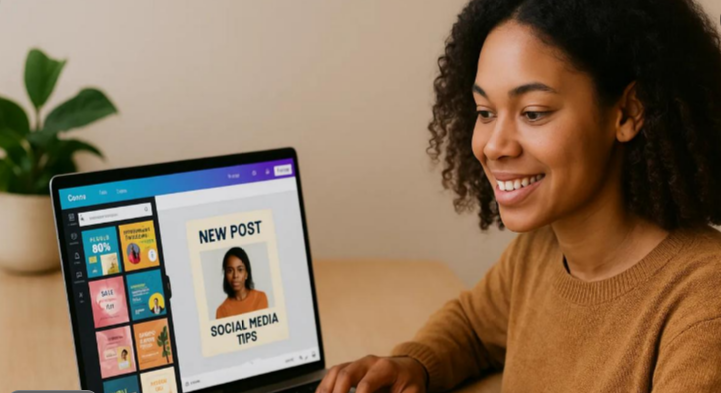
Businesses regularly need designs for advertisements, social media posts, flyers, presentations, and promotional materials.
You can learn basic design using free tools such as Canva and create sample projects for your portfolio.
You do not need to offer complicated designs at the beginning. Focus on simple, professional work and improve your skills over time.
5. Online Tutoring
If you understand a particular subject, you can teach students online.
Possible subjects include English, mathematics, science, computer basics, and other academic topics.
You can begin with individual lessons through video calls. Make sure you are qualified to teach the subjects you offer.
6. Resume and Cover Letter Writing
Job seekers often need help preparing professional resumes and cover letters.
You can offer services such as:
- Resume formatting
- Cover letter writing
- Grammar correction
- LinkedIn profile improvement
- Job application document editing
Create a few sample resumes using fictional information to demonstrate your work.
7. Video Editing
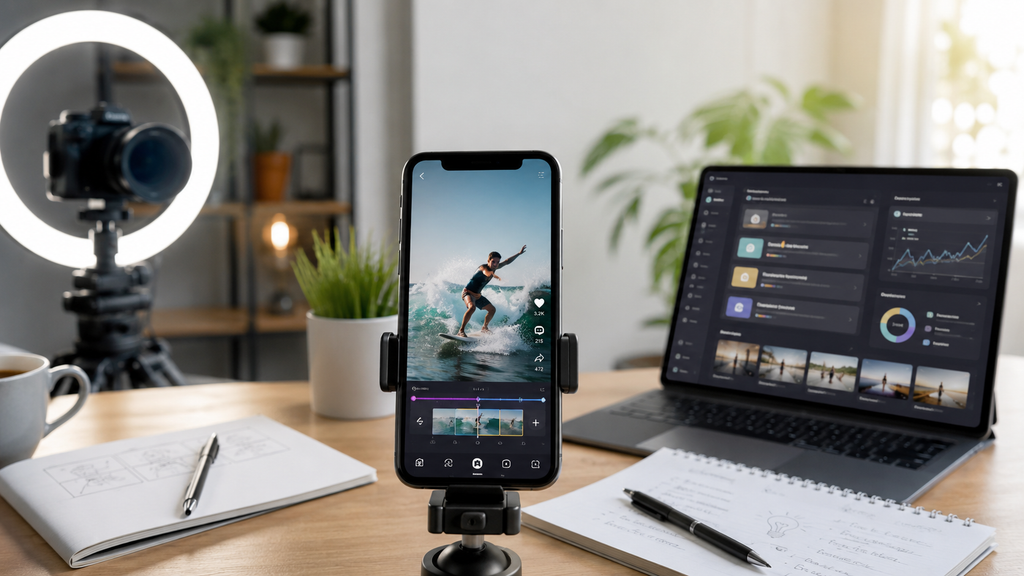
Content creators and businesses need videos for YouTube, Instagram, TikTok, and other platforms.
You can start by learning free editing software and creating short sample videos.
Once you have a portfolio, approach creators and small businesses that regularly publish video content.
8. Translation Services
If you know two or more languages well, translation can become a service-based business.
You can translate website content, documents, product descriptions, and other materials.
Only accept projects in languages and subject areas you can handle accurately.
9. Affiliate Marketing
Affiliate marketing allows you to earn commissions by recommending products or services through special tracking links.
You can create a blog, social media page, or YouTube channel around a specific topic.
For example, you could publish product comparisons, tutorials, and helpful buying guides.
However, affiliate marketing usually takes time to generate traffic and sales. Always disclose affiliate links and follow the program’s rules.
10. Customer Support Services
Many businesses need help answering customer questions through email, live chat, and social media.
You can offer remote customer support to small companies and online stores.
Good communication, patience, and reliable internet access are important for this type of work.
11. Digital Product Creation
Digital products can include printable planners, templates, educational guides, spreadsheets, and social media designs.
You can create simple products using free tools and sell them through suitable online platforms.
Before spending money on a store or advertising, test whether people are interested in your product.
12. Website Management
Some small business owners have websites but do not have time to update them.
You can offer basic services such as:
- Updating website text
- Publishing blog posts
- Adding images
- Checking broken links
- Updating business information
Learn how to use common website platforms before offering these services.
13. Local Cleaning Services
If you prefer working locally, cleaning services can be started on a small scale.
You could offer basic home or office cleaning and use suitable equipment that you already have.
Start with customers you can reach easily. Check local registration, safety, and insurance requirements before accepting paid work.
14. Pet Sitting
Pet owners sometimes need someone to look after their pets while they are working or travelling.
You can offer pet visits, feeding, walking, and basic care services.
Trust is extremely important. Understand each animal’s needs and responsibilities before accepting a booking.
15. Online Business Consulting
If you have practical experience in a specific area, you may be able to help other people or businesses solve related problems.
For example, you could help beginners understand social media marketing, website setup, customer service, or basic business organization.
Start only with subjects you genuinely understand. Do not present yourself as a professional in areas where you lack the necessary knowledge or qualifications.
Step-by-Step: How to Start a Business with No Money
Choosing an idea is only the beginning. You also need a simple plan to turn that idea into a real business.
Step 1: Choose a Skill You Already Have
Think about what you can do confidently.
You might be good at writing, designing, teaching, communicating with customers, organizing information, or using social media.
Starting with an existing skill can reduce the time and money needed for training.
Step 2: Choose One Specific Service
Do not try to offer ten different services at the same time.
For example, instead of saying you provide every type of digital marketing, begin with one clear service, such as managing Instagram accounts for small businesses.
A specific offer makes it easier for customers to understand what you do.
Step 3: Research Your Potential Customers
Find out who needs your service and what problems they are trying to solve.
Look at local businesses, online communities, freelance marketplaces, and competitors.
Pay attention to what customers ask for, what services are already available, and where you could provide better value.
Step 4: Create Free Samples
You do not need previous clients to build a basic portfolio.
Create sample work that demonstrates your ability. For example:
- A freelance writer can create three sample articles.
- A graphic designer can create five sample social media posts.
- A video editor can prepare two short demonstration videos.
- A virtual assistant can create a sample spreadsheet and appointment schedule.
Be honest that these are sample projects, not paid client work.
Step 5: Build a Free Online Presence
You can begin by creating a professional social media profile or a simple portfolio.
Include:
- Your business service
- What problem you solve
- Examples of your work
- A way for customers to contact you
You do not need to purchase an expensive website immediately.
Step 6: Find Your First Customers
Finding customers is often harder than choosing a business idea.
Start with people and businesses that may genuinely need your service.
You can:
- Contact small businesses with a personalized message.
- Ask friends and professional contacts for referrals.
- Participate in relevant online communities.
- Apply for suitable freelance projects.
- Share useful examples of your work on social media.
Avoid sending hundreds of identical spam messages.
Step 7: Offer a Small First Project
A new business owner may find it difficult to convince customers without reviews or experience.
Instead of promising a large project, offer a clearly defined starter service.
Explain exactly what the customer will receive, when it will be delivered, and what it will cost.
You can offer an introductory price, but avoid doing unlimited work for free.
Step 8: Deliver Quality Work
Your first customers can help you build a reputation.
Communicate clearly, meet agreed deadlines, and provide the service you promised.
Ask satisfied customers for honest feedback or permission to use their work as a portfolio example.
Step 9: Reinvest Your Earnings
When you receive your first payments, avoid spending everything immediately.
You can use part of your earnings to improve your business through:
- Better equipment
- Professional software
- Training
- Marketing
- Website hosting
- Business registration and other required expenses
Grow gradually rather than taking unnecessary financial risks.
Free Tools That Can Help You Start
You can use free versions of several online tools to manage your early business activities.
| Tool | What You Can Use It For |
|---|---|
| Canva | Basic graphic design |
| Google Docs | Writing and document creation |
| Google Sheets | Tracking income and expenses |
| Google Drive | Storing files |
| Trello | Organizing tasks |
| CapCut | Basic video editing |
| Google Meet | Online meetings |
Free plans may have limitations, and some features may require payment. Check the current terms before relying on a tool for your business.
How to Make Money from a Business with No Money
Your first goal should be to get one paying customer, not to build a large company immediately.
For example, imagine you start a social media management service.
You could:
- Create sample posts for a local business.
- Contact businesses that have inactive social media pages.
- Explain how you can help them post regularly.
- Agree on a small monthly service package.
- Deliver the agreed work.
- Ask for feedback and referrals.
This approach helps you test customer demand before spending money on advertising, employees, or expensive software.
Your actual earnings will depend on your service quality, pricing, customer demand, competition, and operating costs. There is no guaranteed income.
Common Mistakes to Avoid
Starting without money requires careful decisions. Avoid these common mistakes:
1. Trying too many ideas: Focus on one business until you understand how to find and serve customers.
2. Spending money too early: Do not purchase expensive software, equipment, or advertising before testing demand.
3. Ignoring customer needs: A business should solve a real problem rather than simply offer something you personally like.
4. Expecting instant profits: Most businesses need time to build trust and find regular customers.
5. Copying competitors: Learn from other businesses, but develop your own service and approach.
6. Ignoring legal requirements: Check registration, licensing, tax, and other rules in the country or state where you operate.
Frequently Asked Questions
Can I start a business with absolutely no money?
Some service businesses can be tested without spending money if you already have the necessary skills, equipment, and internet access. However, legal registration and operating costs may still apply.
What is the best business to start with no money?
Freelance writing, virtual assistance, social media management, tutoring, and graphic design are practical options for beginners who already have relevant skills.
Can I start a business from home with no money?
Yes. Many online services, including writing, video editing, tutoring, translation, and virtual assistance, can be operated from home.
How can I get my first customer without advertising?
You can contact potential customers directly, ask for referrals, participate in relevant communities, and show examples of your work. Personalized communication is usually more useful than sending generic promotional messages.
Do I need a business license to start?
That depends on your location and the type of business. Some activities require registration, permits, or professional licenses even if you operate from home. Check the relevant government requirements before accepting customers.
How long does it take to make money?
There is no fixed timeline. Some people may find a customer quickly, while others may need weeks or months to build their portfolio and attract clients.
Final Thoughts
Starting a business with no money is possible, but it requires patience, effort, and realistic planning. You do not need to begin with an office, employees, or expensive equipment.
Choose one skill, turn it into a useful service, create sample work, and start contacting potential customers.
Your first goal is simple: find one person who is willing to pay for what you offer. Once you achieve that, focus on delivering quality work and building your business step by step.