

Every family has financial responsibilities. Parents work hard to pay household bills, support their children, manage loans, and plan for the future. But what would happen if the person who provides most of the family’s income suddenly passed away?
Without proper financial planning, a family could struggle to pay everyday expenses, mortgage payments, education costs, and other financial obligations.
This is why life insurance can be an important part of family financial planning. It provides financial support to eligible beneficiaries after the insured person’s death, helping them manage expenses during a difficult time.
In this guide, you will learn how life insurance for families works, which types of policies are available, how much coverage you may need, and how to choose the right plan.
What Is Life Insurance for Families?

Life insurance is a contract between an individual and an insurance company. In exchange for paying premiums, the insurer agrees to pay a death benefit to the policy’s named beneficiaries if the insured person dies while the policy is active and the claim meets the contract requirements.
For families, this money can help replace lost income and support the financial needs of surviving family members.
For example, imagine a parent earns $5,000 per month and provides most of the household income. If that parent passes away unexpectedly, the family may lose an important source of financial support.
A life insurance policy with a suitable death benefit could help the surviving family members manage expenses and maintain financial stability.
Why Is Life Insurance Important for Families?
Life insurance can provide several benefits for families, especially when one or more members depend on another person’s income.
1. Financial Protection for Your Family
The death of a family income provider can create serious financial challenges.
Life insurance can provide a death benefit that helps surviving family members manage their financial responsibilities.
2. Help Pay Household Expenses
The death benefit may help pay for essential expenses, including:
- Rent or mortgage payments.
- Utility bills.
- Groceries.
- Transportation.
- Childcare.
- Other household expenses.
3. Support Children’s Education
Parents often want to provide their children with educational opportunities.
Life insurance benefits may help surviving family members pay for school fees, college tuition, and other education-related expenses.
4. Help Repay Outstanding Debts
Families may have mortgages, personal loans, credit card balances, or other financial obligations.
A life insurance payout can help beneficiaries manage eligible debts and reduce financial pressure.
5. Cover Funeral Expenses
Funeral and related final expenses can create an unexpected financial burden.
Beneficiaries may use life insurance proceeds to help cover these costs, subject to their needs and applicable rules.
6. Provide Long-Term Financial Support
A suitable life insurance benefit may help a surviving spouse or children maintain financial stability while adjusting to a major change in their lives.
Types of Life Insurance for Families
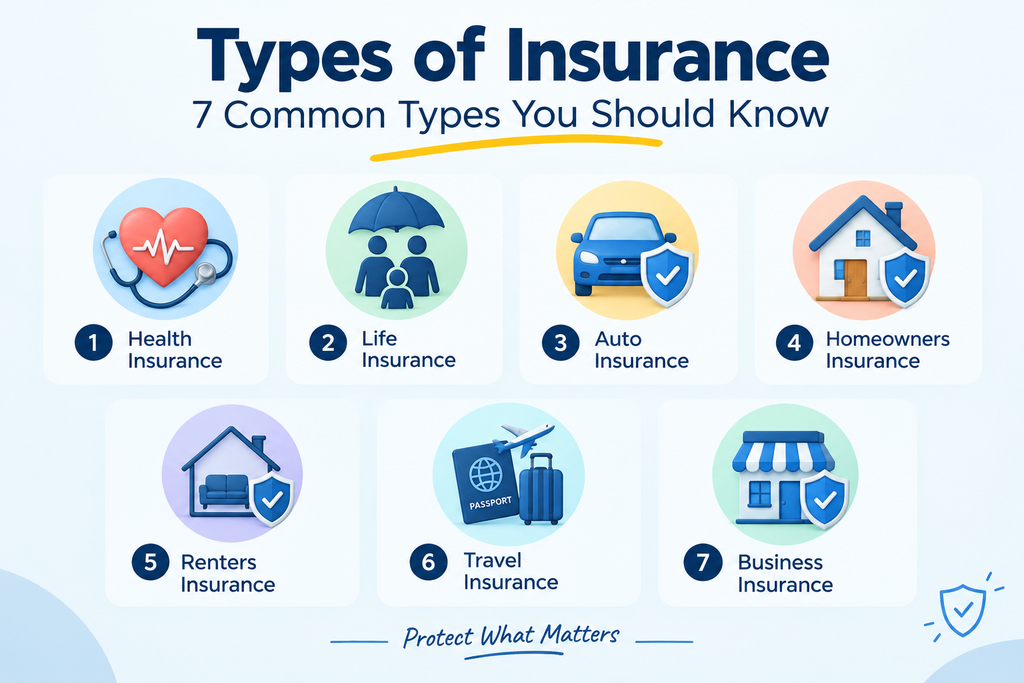
There are different types of life insurance policies. The best option depends on your budget, financial goals, and how long you need coverage.
1. Term Life Insurance
Term life insurance provides coverage for a specific period, such as 10, 20, or 30 years.
If the insured person dies during the covered term, the insurer generally pays the death benefit to the beneficiaries, subject to the policy terms.
For example, parents with young children may choose a 20-year or 30-year term policy to provide protection while their children are growing up.
Benefits of term life insurance:
- Usually lower initial premiums than comparable permanent coverage.
- Simple policy structure.
- Coverage for a selected period.
- Can provide substantial protection for a family budget.
However, coverage generally ends when the term expires unless the policy provides renewal or conversion options.
2. Whole Life Insurance
Whole life insurance is a type of permanent life insurance designed to provide lifelong coverage as long as the policy requirements are met.
It generally includes:
- A death benefit.
- Fixed premiums in many traditional policies.
- A cash value component that grows according to the policy terms.
Whole life insurance can be more expensive than term life insurance.
It may suit people who want permanent coverage and understand the long-term costs and features.
3. Universal Life Insurance
Universal life insurance is another type of permanent life insurance.
It generally offers flexibility in premium payments and death benefit options, subject to policy requirements.
Some universal life policies include cash value that earns interest or is linked to investment performance, depending on the product.
These policies can be more complex than term life insurance, so it is important to understand the fees, risks, and policy conditions before purchasing.
4. Joint Life Insurance
Joint life insurance covers two people under one policy, commonly spouses or partners.
Depending on the contract, the policy may pay a benefit after the first insured person dies or after the second insured person dies.
These arrangements are often described as first-to-die and second-to-die coverage.
The right structure depends on the family’s financial needs and estate planning goals.
How Much Life Insurance Does a Family Need?
There is no single coverage amount that works for every family.
The right amount depends on your income, debts, household expenses, children’s needs, savings, and existing insurance coverage.
Here are some important factors to consider.
1. Annual Household Income
Think about how much income your family would lose if you passed away.
Consider how many years your family may need financial support.
2. Outstanding Debts
Include major financial obligations such as:
- Mortgage balance.
- Personal loans.
- Car loans.
- Credit card debt.
3. Children’s Education
Estimate future education expenses and how much financial support your children may need.
4. Daily Living Expenses
Calculate the household’s monthly expenses, including food, housing, transportation, and utilities.
5. Existing Savings and Insurance
Subtract savings and any existing life insurance benefits that could help your family.
A simple starting formula is:
Life Insurance Need = Financial Obligations + Future Family Expenses − Existing Savings and Available Coverage
This is only an estimate. A more detailed calculation should also consider future income needs, inflation, taxes, and the family’s financial circumstances.
Example: Calculating Life Insurance Coverage
Imagine a parent wants to estimate how much coverage their family may need.
| Financial Need | Estimated Amount |
|---|---|
| Mortgage Balance | $200,000 |
| Children’s Education | $80,000 |
| Other Debts | $20,000 |
| Family Income Support | $250,000 |
| Funeral and Final Expenses | $15,000 |
| Total Financial Needs | $565,000 |
| Existing Savings and Coverage | $65,000 |
| Estimated Coverage Needed | $500,000 |
In this example, the family may consider a $500,000 life insurance policy.
These figures are illustrative only. Every family’s financial situation is different.
How Much Does Life Insurance Cost for Families?
The cost of life insurance depends on several factors.
Important factors include:
- Age: Younger applicants often qualify for lower premiums.
- Health: Medical history and current health can affect eligibility and pricing.
- Coverage amount: Higher death benefits generally cost more.
- Policy type: Term life insurance is usually less expensive initially than comparable permanent coverage.
- Policy duration: Longer term coverage may have higher premiums.
- Lifestyle: Certain activities and habits may affect insurance rates.
- Occupation: Some higher-risk occupations can affect eligibility or pricing.
To find the actual cost, request quotes from multiple insurance providers.
Compare similar coverage amounts and policy terms rather than choosing a company based only on its advertised price.
How to Choose the Right Life Insurance Policy for Your Family
Choosing a suitable policy requires careful planning.
Follow these steps before purchasing coverage.
Step 1: Understand Your Family’s Financial Needs
Calculate your household expenses, debts, children’s future education costs, and income replacement needs.
Step 2: Decide How Long You Need Coverage
If your main goal is to protect your family while children are growing up or a mortgage is being paid, term life insurance may be worth considering.
If you want coverage intended to last your entire life, explore permanent life insurance options.
Step 3: Compare Multiple Insurance Companies
Request quotes from several insurers.
Compare:
- Premiums.
- Death benefit amounts.
- Policy terms.
- Renewal options.
- Exclusions.
- Conversion options.
- Financial strength and customer service.
Step 4: Understand the Policy Conditions
Read the policy carefully and understand how the death benefit is paid, when coverage begins, and what exclusions or limitations apply.
Step 5: Choose Your Beneficiaries
A beneficiary is the person or organization that receives the death benefit.
Make sure your beneficiary information is accurate and review it after major life changes, such as marriage, divorce, or the birth of a child.
Step 6: Complete the Application Honestly
Insurance applications may ask about your health, medical history, occupation, and lifestyle.
Provide accurate information. Incorrect or incomplete answers can create serious problems when beneficiaries make a claim.
Best Life Insurance Companies to Consider in the USA
Several companies offer life insurance products for individuals and families.
Here are some providers worth researching:
1. State Farm
Website: https://www.statefarm.com/insurance/life
State Farm offers term and permanent life insurance options for eligible customers.
2. Northwestern Mutual
Website: https://www.northwesternmutual.com/life-insurance/
Northwestern Mutual offers different life insurance products, including term and permanent coverage.
3. New York Life
Website: https://www.newyorklife.com/products/life-insurance
New York Life provides several life insurance options for individuals and families.
4. Guardian Life
Website: https://www.guardianlife.com/life-insurance
Guardian offers life insurance products, including term and permanent coverage.
5. Prudential
Website: https://www.prudential.com/personal/life-insurance
Prudential offers life insurance solutions for different financial needs.
Availability, eligibility, policy features, and pricing vary. Contact the insurer or a licensed insurance professional for details.
Common Life Insurance Mistakes Families Should Avoid
Avoid these mistakes when buying life insurance:
- Choosing too little coverage: Your family may not receive enough financial support.
- Buying only based on price: A cheap policy may not match your long-term needs.
- Ignoring policy exclusions: Understand the situations that may affect a claim.
- Naming outdated beneficiaries: Review beneficiary details after major life changes.
- Providing incorrect medical information: Always answer application questions honestly.
- Waiting too long: Premiums may increase as you get older, and health changes can affect eligibility.
- Forgetting to review coverage: Your family’s financial needs may change over time.
Frequently Asked Questions
Is life insurance necessary for families?
Life insurance can be especially important when family members depend on your income. It may help surviving family members manage household expenses, debts, and future financial needs.
What is the best life insurance for a family?
Term life insurance is often a practical option for families seeking affordable coverage for a specific period. Whole life and universal life insurance may suit people with different long-term financial goals.
How much life insurance should parents have?
Parents should consider their income, mortgage, debts, children’s education, household expenses, savings, and existing insurance. The right amount depends on their financial responsibilities.
Can both parents have life insurance?
Yes. Both parents can have individual policies, or they may consider certain joint life insurance arrangements. Each parent’s financial contribution and caregiving responsibilities should be considered.
Can stay-at-home parents get life insurance?
Yes. Stay-at-home parents can qualify for life insurance. Their childcare, household management, and other unpaid contributions may create significant financial costs for the family if they are no longer available.
Does life insurance cover natural death?
Generally, life insurance policies cover death from natural causes when the policy is active and the claim meets the contract requirements. However, exclusions and other policy conditions may apply.
Can I change my life insurance beneficiary?
Many policies allow you to change beneficiaries, subject to the policy’s rules and any applicable legal restrictions. Contact your insurer to update the information correctly.
Is term life insurance better than whole life insurance?
Neither is automatically better. Term life insurance generally provides coverage for a specific period at a lower initial cost. Whole life insurance is designed for lifelong coverage and includes a cash value component, but usually costs more.
Final Thoughts
Life insurance can play an important role in protecting your family’s financial future.
If your spouse, children, or other family members depend on your income, a suitable life insurance policy may help them manage expenses and maintain financial stability if you pass away.
Before purchasing coverage, calculate your family’s financial needs, compare term and permanent policies, research insurance companies, and read the policy conditions carefully.
The best life insurance policy is one that provides appropriate financial protection for your family while remaining affordable for your budget.
Disclaimer: This article is for general educational purposes only and does not provide legal, financial, tax, or insurance advice. Policy terms, eligibility, premiums, and exclusions vary by insurer and location. Review official policy documents and consult a licensed insurance professional before purchasing coverage.






Pingback: Dental Insurance Explained: Coverage, Costs and Benefits