

1. What Is a Print-on-Demand Business?

Table of Contents
A print-on-demand (POD) business allows you to sell customized products without purchasing large amounts of stock in advance.
For example, you create a design for a T-shirt and list it in your online store. When a customer orders the shirt, your printing partner produces it and ships it to the customer. You focus on designs, marketing, pricing, and customer service.
According to Shopify’s 2026 guide, this model can reduce inventory requirements because products are made after an order is received. However, production, shipping, and platform fees still affect your profits.

Shopify
Step 1: Create a design
Design artwork, slogans, patterns, or personalized graphics.
Step 2: List your product
Display the product in your online store with a selling price.
Step 3: Customer places an order
The order is received and sent to your fulfillment partner.
Step 4: Product is printed and shipped
Your supplier produces and dispatches the item.
Step 5: Calculate your profit
Subtract production, shipping, payment, marketing, and other costs.
One important detail: a supplier may charge you for production before your marketplace or payment provider releases the customer’s money. You may therefore need some working capital even when you do not hold inventory.
2. Why Start a Print-on-Demand Business in 2026?
Print-on-demand is worth exploring because it allows you to test product ideas without committing to large quantities of physical stock.
Some of its advantages include:
- No bulk inventory: You do not need to buy hundreds of T-shirts before knowing whether customers want your designs.
- Flexible product selection: You can test clothing, mugs, tote bags, posters, and other customizable products.
- Work from home: Design, store management, and marketing can be handled online.
- Niche audiences: You can create products for particular interests instead of targeting everybody.
- Easy product testing: You can launch a small collection and expand when you see genuine demand.
There are disadvantages too. Individual production costs are often higher than bulk manufacturing, delivery times depend on the supplier, and you may have limited control over packaging and fulfillment.
Shopify
The business is not automatically profitable just because you do not need inventory. The main challenge is getting customers to buy your designs at prices that leave enough margin.
3. Choose a Niche Before Creating Products
A common beginner mistake is creating random designs for everyone. A focused niche makes it easier to develop a recognizable brand and reach relevant customers.
Here are five ideas to consider.
Fitness and motivation
Create workout-themed shirts, gym accessories, and motivational designs.
Potential audience: gym members and fitness enthusiasts.
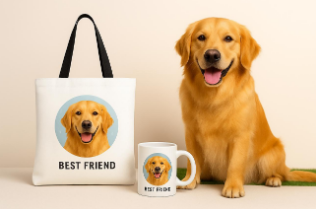
Pet lovers
Offer original pet illustrations, personalized mugs, and gifts featuring customers’ pets.
Potential audience: pet owners buying gifts or keepsakes.

Arabic-inspired designs
Create original geometric patterns, typography, and culturally inspired products.
Potential audience: customers who appreciate Arabic-inspired design and personalized gifts.

Books and hobbies
Develop original designs for readers, gardeners, travelers, and other hobby communities.
Potential audience: people looking for products that reflect their interests.

Personalized gifts
Sell products customized with names, dates, initials, or original messages.
Potential audience: people shopping for birthdays, weddings, and anniversaries.

These are possible niches, not guaranteed bestsellers. Research competitors, check customer interest, and test designs before investing in advertising.
My recommendation: Start with one niche and around 5–10 strong designs rather than launching hundreds of unrelated products.
4. Best Platforms and Tools to Start
You need two main things: a way to sell products and a supplier that can print and ship them.
Printful
Offers product customization, mockups, printing, and fulfillment. Check its product costs, shipping options, and availability for your target country

Printify
Lets sellers choose from products and printing providers. Compare production quality, shipping costs, and delivery estimates before selecting a supplier.

Shopify
Useful for creating your own online store and connecting supported print-on-demand apps. A custom store may require a paid plan.

Etsy
A marketplace to investigate for original designs and personalized products. Review current seller eligibility, listing fees, production-partner disclosure rules, and country availability.

Canva
Useful for creating typography, simple graphics, and marketing content. Check the commercial-use terms for any elements you include.

Before opening an account, check whether the platform supports your country of residence, identity documents, payout method, and intended sales market. Do not assume that every marketplace is available to every seller.
5. How to Create Designs That People Want to Buy
You do not have to be a professional graphic designer, but your designs should look good on the actual product and appeal to a particular audience.
Follow this process:
- Research the type of customer you want to serve.
- Look at competing products to understand their style and price range.
- Identify gaps you could address with original designs.
- Create several concepts using a design tool.
- Check readability, colors, and how the design appears on each product.
- Use a product mockup to preview the finished item.
- Test customer interest before creating a large collection.
For example, if you choose a book-lover niche, you could create original designs around reading habits, book collections, and cozy reading spaces.
You can use AI to brainstorm ideas and explore visual concepts. Review the results carefully and make sure the final work is original enough for your intended use.
Copyright warning: Do not copy brand logos, celebrity images, protected characters, sports-team designs, or another artist’s work without the appropriate rights. A design being available online does not mean it is free to sell.
6. How to Start With a Small Budget
You can test the business without immediately purchasing stock or paying for an expensive website.
A basic starting approach is:
- Use a free design tool to create original artwork.
- Research suppliers that offer free account creation.
- Prepare mockups using the supplier’s available tools.
- Start with a small collection.
- Use organic social media content to test interest.
- Upgrade your store or tools when your business needs them.
However, zero inventory does not mean zero cost. Samples, subscriptions, domain registration, payment fees, advertising, refunds, and order fulfillment can all require money.
A sample order is particularly useful because it lets you check fabric, printing quality, colors, sizing, and delivery before recommending the product to customers. Shopify also recommends testing product quality and the full buying experience.
Shopify
If you cannot afford samples immediately, be transparent about that limitation and avoid making unsupported quality claims.
7. How to Price Products and Calculate Profit
Before setting a price, calculate the full cost of delivering each order.
For example, suppose you sell a printed T-shirt for $25.
| Item | Example amount |
|---|---|
| Customer pays | $25.00 |
| Product and printing | −$11.00 |
| Shipping paid by seller | −$4.00 |
| Payment/platform fees | −$2.00 |
| Advertising cost per sale | −$3.00 |
| Estimated amount remaining | $5.00 |
In this example, $5 remains before other overheads and taxes. These figures are hypothetical; actual supplier prices, shipping charges, and fees vary.
This is why you should never confuse sales revenue with profit. If you spend $25 on advertising to sell one $25 shirt, you may lose money even though you made a sale.
8. How to Get Your First Customers
Creating products is only half the business. You also need to attract buyers.
Method 1: Use Instagram and TikTok
Create short videos showing the design process, product mockups, and the intended audience for each product. Use relevant hashtags and publish content consistently.
Method 2: Build a niche brand
Instead of calling your store a general clothing shop, develop a recognizable identity around one audience. Consistent designs and messaging can make your products easier to remember.
Method 3: Work with small creators
Consider collaborating with creators whose audiences match your niche. Agree on costs, deliverables, and usage rights before sending products or paying for promotion.
Method 4: Improve your product pages
Include clear product titles, size information, material details, shipping estimates, return policies, and realistic product images. Accurate information can help customers make informed purchasing decisions.
Method 5: Test paid ads carefully
Paid ads can help you learn whether a product attracts buyers, but they can also consume your budget quickly. Start with a small, defined test and evaluate actual purchases rather than likes or views alone.
Example message for a potential creator partnership
Hi! I’m building a small brand focused on original custom-designed products, and I think your content could be a good fit for the audience we’re targeting.
I’d like to explore a possible collaboration and discuss what type of product or content would make sense for your followers.
Would you be interested in hearing more?
Only send this after you have a real product or concept to show. Personalize the message and do not claim an established brand or sales history that you do not have.
9. A Practical 30-Day Launch Plan
Days 1–7
Research your niche
Identify a specific audience, examine competitors, and choose a few product types. Check supplier availability and costs for your target market.
Days 8–14
Create your first collection
Design 5–10 original products, prepare mockups, calculate margins, and write accurate product descriptions.
Days 15–21
Prepare your store
Set up the selected marketplace or ecommerce website, configure payments, publish shipping and return policies, and test the checkout process.
Days 22–30
Launch and measure
Publish product content, collect feedback, monitor visits and purchases, and identify which designs deserve further testing.
This is a planning framework, not a promise of sales within 30 days. You may need more time to research, obtain samples, set up payments, or find product-market fit.
10. Common Mistakes to Avoid
- Choosing a niche only because it is trending: Check whether you can reach buyers and offer something distinctive.
- Copying other people’s designs: Create original work or obtain appropriate commercial rights.
- Ignoring shipping times: Customers may blame your store if the supplier delivers late.
- Pricing without calculating costs: Include product, printing, shipping, fees, advertising, and likely refunds.
- Uploading too many products too quickly: Start with a manageable collection and improve it using real feedback.
- Using misleading mockups: Make sure the product images reasonably represent the item being sold.
- Spending heavily on advertising too soon: Test demand before committing a large budget.
- Ignoring legal requirements: Check the applicable business, tax, consumer protection, and seller-account requirements in your country and target market.
11. Frequently Asked Questions
Can I start a print-on-demand business without inventory?
Yes. The supplier can print products after orders arrive, so you do not need to store bulk stock. You may still need money to cover order production, fees, and refunds.
Do I need design experience?
Basic design skills help, but you can learn using beginner-friendly tools or hire a designer when your budget allows. Always ensure you have the right to sell the finished design.
Can I run this business from home?
Yes. Most design, store management, and marketing tasks can be done online. The supplier typically handles printing and shipping.
Is print-on-demand profitable in 2026?
It can be, but profitability depends on your product costs, selling price, customer demand, marketing expenses, and ability to retain customers. There is no guaranteed income.
Do I need my own website?
Not necessarily. You can explore supported marketplaces or other selling platforms first. Your options depend on seller eligibility, fees, payout availability, and the type of product you offer.
How long does it take to make the first sale?
There is no reliable fixed timeline. Some stores may get sales quickly, while others need months of testing and marketing—or may not find a viable product at all.
Conclusion
Starting a print-on-demand business from home in 2026 gives you a way to test original product ideas without buying large quantities of inventory. The model can be useful for people who enjoy design, branding, ecommerce, and digital marketing.
But the real work is understanding customers, producing attractive designs, calculating every cost, and reaching the right audience. Start with a small collection, choose a reliable supplier, and test demand before spending heavily.
Your first goal should not be to build a huge store. It should be to find one product that customers genuinely want to buy at a price that leaves a sustainable profit.



Pingback: How to Start an AI Social Media Management Business in 2026