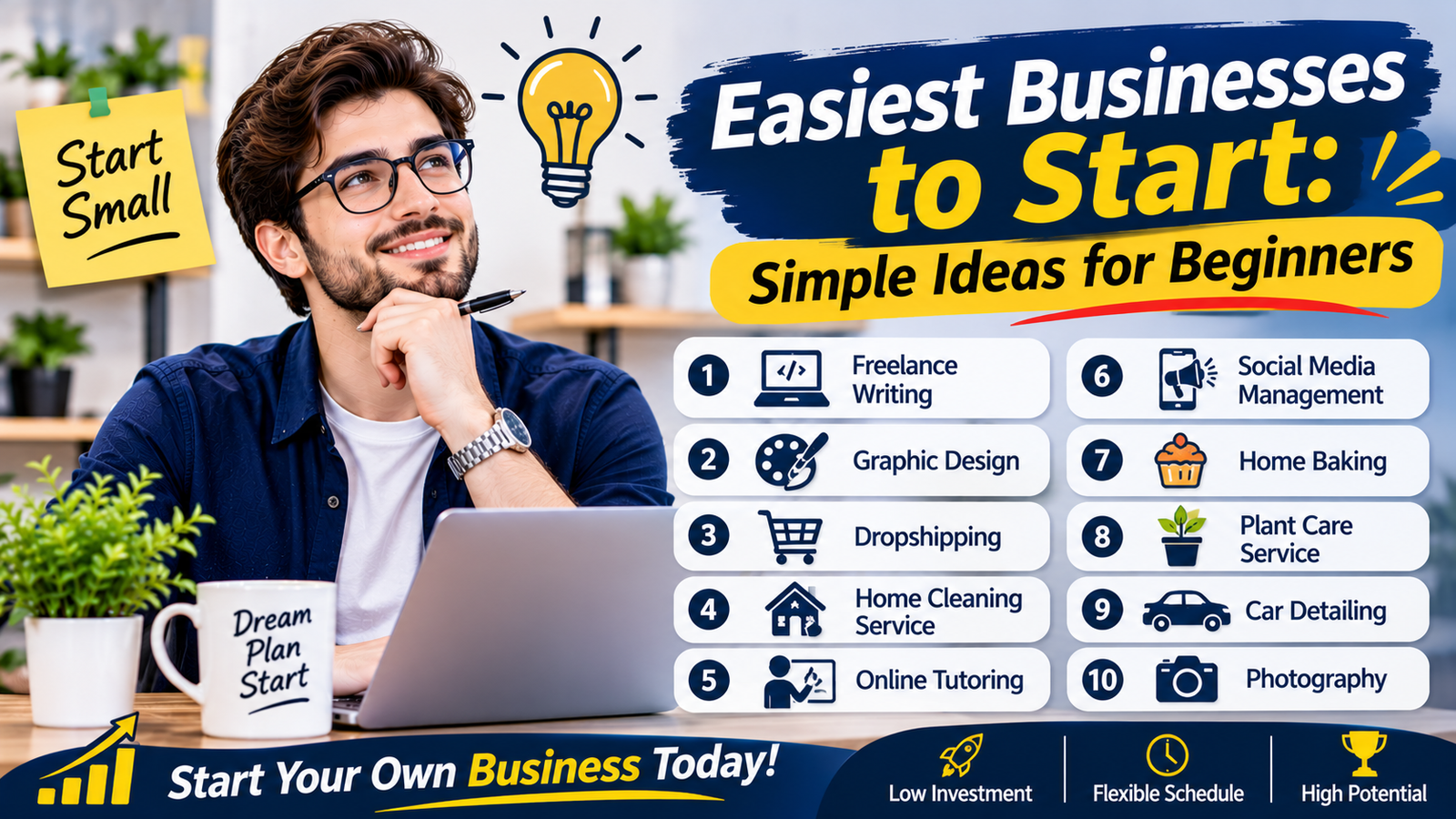

Starting a business can be an exciting opportunity to earn money, become financially independent, and build something of your own. However, choosing the right business idea is one of the most important decisions you will make.
Some people want to start a business with very little money, while others have savings they can invest in a shop, online store, or service company. The good news is that there are opportunities for different budgets, skills, and experience levels.
You do not need to invent a completely new product to build a successful business. Many profitable companies start by offering existing products or services in a better, more convenient, or more affordable way.
In this guide, we will explore 30 business startup ideas, explain how they work, and share practical steps to help you choose and launch the right opportunity.
What Should You Consider Before Starting a Business?
Table of Contents
Before investing your money, take some time to understand the market and your own situation.
Your Starting Budget
Decide how much money you can afford to invest without putting your essential expenses at risk. Some businesses can start with a computer and an internet connection, while others require equipment, inventory, or a physical location.
Market Demand
A business needs customers who are willing to pay. Research what people are already purchasing, what problems they experience, and whether existing businesses are meeting their needs.
Your Skills and Experience
Your existing skills can reduce your startup costs. For example, someone who understands graphic design may find it easier to start a design agency than a restaurant.
Competition
Competition is not always a bad sign. It can indicate that customers already spend money in that market. Your goal should be to identify how you can offer better service, quality, convenience, or value.
30 Best Business Startup Ideas for 2026

Here are 30 business ideas across online services, retail, food, technology, and local services.
Online and Digital Business Ideas
1. Digital Marketing Agency
Businesses need help promoting their products and services online. A digital marketing agency can offer social media management, online advertising, search engine optimization, and content marketing.
You can begin by focusing on one service instead of offering everything.
How to start: Learn a specific marketing skill, create sample campaigns, build a simple portfolio, and contact small businesses that need more customers.
2. Website Design Business
Many small businesses need professional websites but cannot afford large development agencies.
You can create websites for restaurants, salons, consultants, shops, and service providers using platforms such as WordPress.
How to start: Build a few demonstration websites and offer affordable packages to local businesses.
3. Online Clothing Store
An online clothing store can sell men’s fashion, women’s clothing, children’s wear, traditional outfits, or accessories.
You can begin with a small collection rather than purchasing a large inventory.
How to start: Choose a target audience, find reliable suppliers, photograph your products, and sell through an online store or social media.
4. Freelance Content Writing
Companies and website owners regularly need blog posts, product descriptions, website content, and marketing materials.
If you can write clearly and research topics, content writing can become a service business.
How to start: Prepare writing samples, choose a few topics you understand, and approach businesses or clients through freelance platforms.
5. Online Education and Courses
People pay to learn useful skills, including languages, computer applications, marketing, design, and professional development.
You can create recorded lessons or provide live online classes.
How to start: Select one subject, prepare a course outline, record useful lessons, and promote your course to the right audience.
6. Social Media Management
Small companies often struggle to publish content consistently and respond to online customers.
You can manage their social media accounts by preparing posts, writing captions, scheduling content, and monitoring basic engagement.
How to start: Create sample social media calendars and offer monthly packages to local businesses.
7. Affiliate Marketing
Affiliate marketing allows you to earn commissions by recommending products or services through special tracking links.
You can build a blog, website, YouTube channel, or social media page around a specific topic.
How to start: Choose a niche, build an audience, join suitable affiliate programs, and publish honest product recommendations with clear affiliate disclosures.
8. Mobile App Development
Mobile applications solve problems and make everyday tasks easier. Businesses may need booking apps, delivery applications, educational tools, or customer management systems.
You can learn coding or use no-code development platforms to build simple applications.
How to start: Identify one problem, research existing apps, create a basic version, and test it with potential users.
9. Virtual Assistant Agency
Many business owners need remote support with emails, scheduling, research, data entry, and administrative work.
You can begin as an individual virtual assistant and later hire other assistants as your customer base grows.
How to start: Select the tasks you can perform well and offer clear service packages.
10. YouTube Content Business
YouTube can become a long-term business through advertising revenue, sponsorships, affiliate marketing, and digital products.
Popular areas include technology, education, finance, cooking, travel, and product reviews.
How to start: Choose one subject, plan your first ten videos, publish consistently, and focus on creating content that viewers find useful.
Product and Retail Business Ideas
11. Phone Accessories Store
Phone cases, charging cables, screen protectors, stands, and other accessories have a broad customer market.
You can sell online, through a small retail location, or through social media.
How to start: Research popular phone models, compare wholesale suppliers, and test demand with a small selection of products.
12. Beauty and Personal Care Products
Customers regularly purchase skincare, haircare, beauty accessories, and personal care products.
You can build a specialized store around a particular audience or product category.
How to start: Find legitimate suppliers, check product safety and local selling requirements, and focus on authentic products.
13. Home Decoration Store
Home decoration products include wall art, lighting, decorative accessories, storage products, cushions, and small furniture items.
You can start with a focused collection and expand based on customer demand.
How to start: Choose a style, research suppliers, create attractive product photographs, and promote your collection online.
14. Gift and Customized Products Business
Personalized gifts are popular for birthdays, weddings, anniversaries, and special occasions.
Products may include customized mugs, printed shirts, gift boxes, photo frames, and greeting cards.
How to start: Create a few samples, calculate production costs, and offer customization through an online page.
15. Grocery Delivery Business
A grocery delivery service helps customers purchase everyday products without visiting a store.
You can start in a small local area and expand as demand increases.
How to start: Identify a delivery area, work with local suppliers or stores, establish delivery charges, and create a simple ordering system.
16. Wholesale and Distribution Business
Retail shops need suppliers for products they sell regularly. You can purchase goods in larger quantities and supply smaller retailers.
Possible categories include packaging materials, household products, stationery, and clothing accessories.
How to start: Choose a product category, identify reliable manufacturers or wholesalers, calculate delivery costs, and contact potential retail customers.
17. Second-Hand Products Store
You can buy and resell used furniture, electronics, clothing, books, and household products.
Many customers prefer affordable second-hand products when they are in good condition.
How to start: Choose one category, inspect products carefully, calculate repair and transportation costs, and list items on online marketplaces.
Food and Beverage Business Ideas
18. Home-Based Bakery
A bakery business can sell cakes, cookies, cupcakes, brownies, and other desserts.
You can begin with a small menu and accept orders for birthdays, celebrations, and events.
How to start: Prepare sample products, calculate ingredient costs, take attractive photographs, and check local food business regulations.
19. Food Delivery Business
A small food business can specialize in lunch boxes, homemade meals, sandwiches, or regional dishes.
Office workers, students, and busy families may become regular customers.
How to start: Select a limited menu, test demand, organize packaging and delivery, and follow local food safety requirements.
20. Coffee Shop
Coffee shops attract customers who want a place to relax, work, or meet friends.
You can consider a small takeaway coffee shop, kiosk, or mobile coffee concept rather than immediately opening a large café.
How to start: Research the location, estimate rent and equipment costs, study competitors, and prepare a realistic financial plan.
21. Catering Services
Catering businesses provide food for weddings, business meetings, birthday parties, and other events.
You can specialize in a particular cuisine, event type, or group size.
How to start: Prepare sample menus, calculate per-person costs, and build relationships with event organizers and potential customers.
Service-Based Business Ideas
22. Cleaning Services Company
Homes, offices, shops, and commercial buildings require regular cleaning.
You can start with basic cleaning services and later expand into specialized services such as deep cleaning or move-in and move-out cleaning.
How to start: Purchase essential equipment, define your service area, establish clear pricing, and promote your services locally.
23. Laundry and Dry-Cleaning Service
A laundry service can serve busy families, professionals, students, and small businesses.
You can start with collection and delivery arrangements by partnering with an existing laundry facility before investing in your own machines.
How to start: Research local demand, establish reliable processing arrangements, and create a convenient booking process.
24. Event Planning Business
Event planners organize weddings, birthday parties, corporate events, and private celebrations.
The work may involve selecting venues, arranging decorations, coordinating suppliers, and managing schedules.
How to start: Organize a small event or create sample event plans to demonstrate your abilities and build a portfolio.
25. Photography and Videography
Businesses and individuals need professional photographs and videos for advertisements, events, social media, and product listings.
You can specialize in product photography, weddings, corporate videos, or social media content.
How to start: Build a portfolio, invest in essential equipment gradually, and approach potential clients.
26. Home Maintenance Services
Customers regularly need help with painting, furniture assembly, plumbing, electrical work, and general repairs.
A maintenance company can coordinate qualified professionals and connect them with customers.
How to start: Focus on services you can legally and safely provide, build a reliable team, and offer transparent pricing.
27. Pet Care Services
Pet owners may need pet sitting, walking, grooming, and basic care services when they are busy or travelling.
How to start: Research local demand, understand animal care requirements, and build trust through reliable service and customer references.
28. Car Washing and Detailing
Car owners often pay for convenient cleaning, polishing, interior detailing, and other vehicle care services.
You can begin with a mobile service that visits customers at their homes or workplaces, where local rules allow.
How to start: Purchase essential cleaning equipment, learn proper detailing techniques, and promote service packages.
29. Recruitment and Staffing Agency
Companies need suitable employees but may not have the time or resources to manage recruitment.
A recruitment business can help employers find candidates for specific industries and job roles.
How to start: Understand recruitment practices, choose an industry, build employer relationships, and check licensing requirements before operating.
30. Business Consulting Services
People with professional experience can help small businesses improve operations, customer service, sales processes, and business planning.
How to start: Choose an area where you have genuine expertise, define the problems you can solve, and create clear consulting packages.
Business Startup Ideas Based on Investment Budget
Your available budget can help you narrow down the options.
| Investment level | Business examples |
|---|---|
| Very low investment | Content writing, tutoring, virtual assistance, social media management |
| Low investment | Graphic design, CV writing, affiliate marketing, home bakery |
| Medium investment | Online clothing store, phone accessories, photography, cleaning services |
| Higher investment | Coffee shop, distribution business, catering company, physical retail store |
These are general categories, not guaranteed startup costs. Actual expenses depend on your country, equipment, rent, licensing, and business model.
How to Start a Business From Zero
You do not need to launch a large company on the first day. A small, carefully tested start can reduce financial risk.
Step 1: Choose a Specific Business Idea
Select one idea that matches your skills, budget, and customer demand.
Avoid choosing a business only because it looks profitable for someone else.
Step 2: Research the Market
Find out who your customers are, what they currently buy, what competitors charge, and what problems customers still experience.
Step 3: Calculate Your Startup Costs
List the expenses you expect to pay, including equipment, supplies, rent, registration, marketing, packaging, and delivery.
Keep some money available for unexpected expenses.
Step 4: Test Your Business Idea
Before making a large investment, create a sample product or offer a small service.
Try to get feedback and, ideally, your first paying customers.
Step 5: Register and Set Up Your Business
Check the legal requirements in your location. Depending on your business activity, you may need registration, a trade license, permits, insurance, or tax arrangements.
Step 6: Create an Online Presence
Use social media, a simple website, or an online marketplace to explain what you offer.
Make sure customers can easily find your prices, services, and contact details.
Step 7: Find Your First Customers
Contact people who may need your product or service. Use referrals, local business groups, professional networks, and targeted online promotion.
Step 8: Track Your Money
Record every sale and expense. Understand the difference between revenue and profit, and avoid spending all the money your business receives.
Common Business Startup Mistakes to Avoid
Investing Too Much at the Beginning
Do not spend your entire budget on equipment, inventory, or decoration before confirming that customers want your product.
Ignoring Customer Needs
A business should solve a problem or satisfy a demand. Do not assume people will purchase something simply because you like it.
Choosing Prices Without Calculating Costs
Include materials, labor, packaging, delivery, rent, payment fees, and other expenses when setting prices.
Expecting Fast Profits
A new business may take time to attract customers and become financially stable. Prepare for a gradual start.
Neglecting Customer Service
Poor communication and unreliable delivery can damage a business. Treat customers professionally and fulfill your promises.
Frequently Asked Questions
What is the best business to start in 2026?
The best business depends on your budget, skills, location, and customer demand. Digital marketing, online retail, cleaning services, food delivery, and specialized professional services are examples worth researching.
Which business can I start with very little money?
You can consider content writing, virtual assistance, tutoring, translation, social media management, and other service-based businesses. These often require more time and skill than physical inventory.
Can I start a business while working full-time?
Yes. You can begin with a part-time business that fits your schedule. Freelancing, online selling, tutoring, and digital services can be managed outside regular working hours.
How do I know if my business idea will work?
Research customer demand, speak with potential buyers, study competitors, and test your product or service on a small scale. Actual paying customers provide stronger evidence than compliments or guesses.
Do I need a business license to start?
Requirements depend on your country and business activity. Check local government regulations before operating, especially if you sell food, provide regulated services, hire employees, or open a physical location.
How long does it take for a startup to become profitable?
There is no fixed timeline. Some small service businesses may earn revenue quickly, while other businesses need months or longer to cover their initial expenses. Profitability depends on sales, operating costs, and customer demand.
Final Thoughts
Starting a business does not always require a large investment or a completely original idea. Many successful opportunities come from providing useful products and services that people already need.
The most important step is choosing an idea that fits your financial situation and abilities. Research the market, test your idea with real customers, control your expenses, and improve your service as you gain experience.
Instead of waiting for the perfect opportunity, start with a realistic plan and take the first small step toward building your business.