

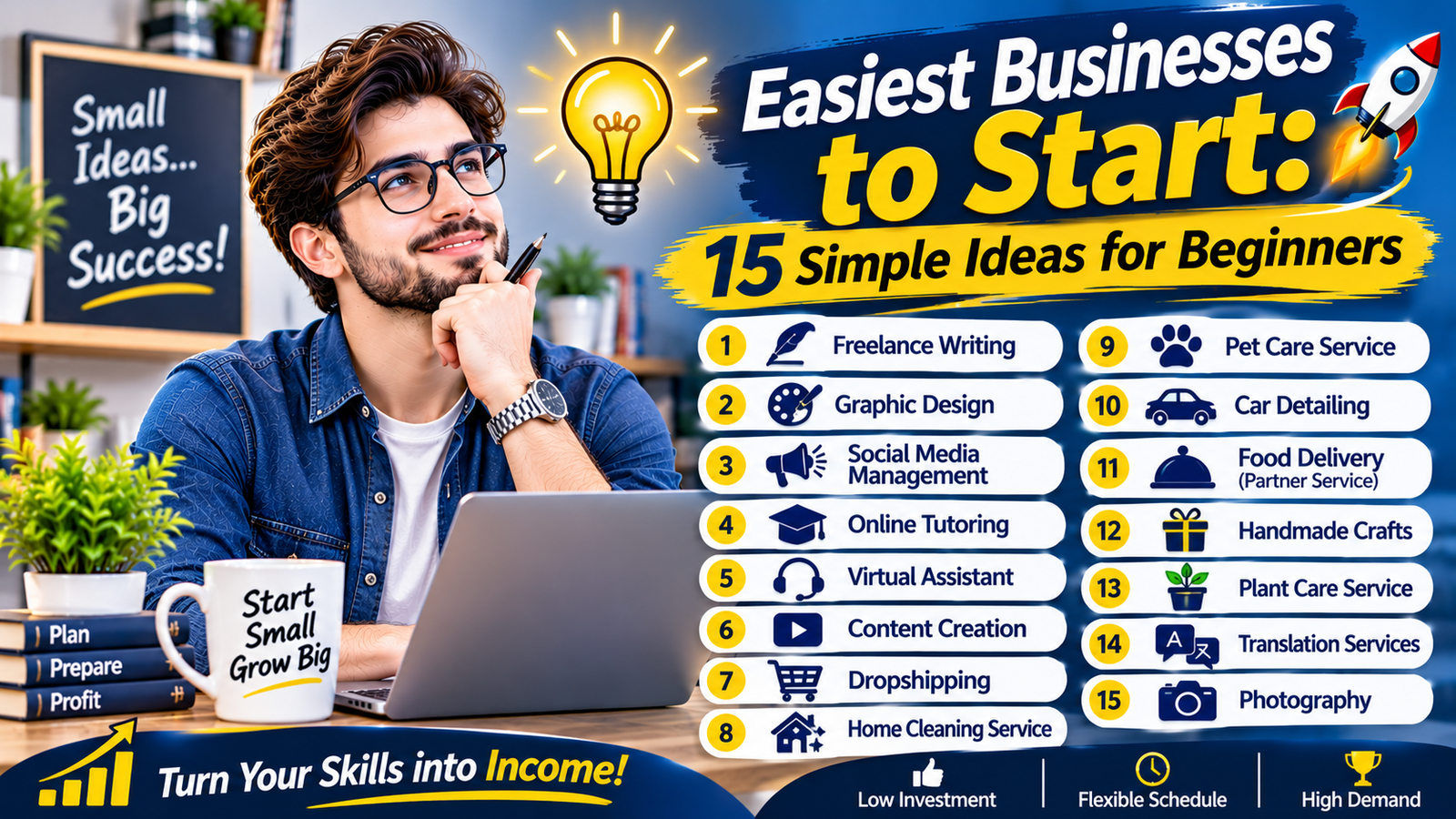
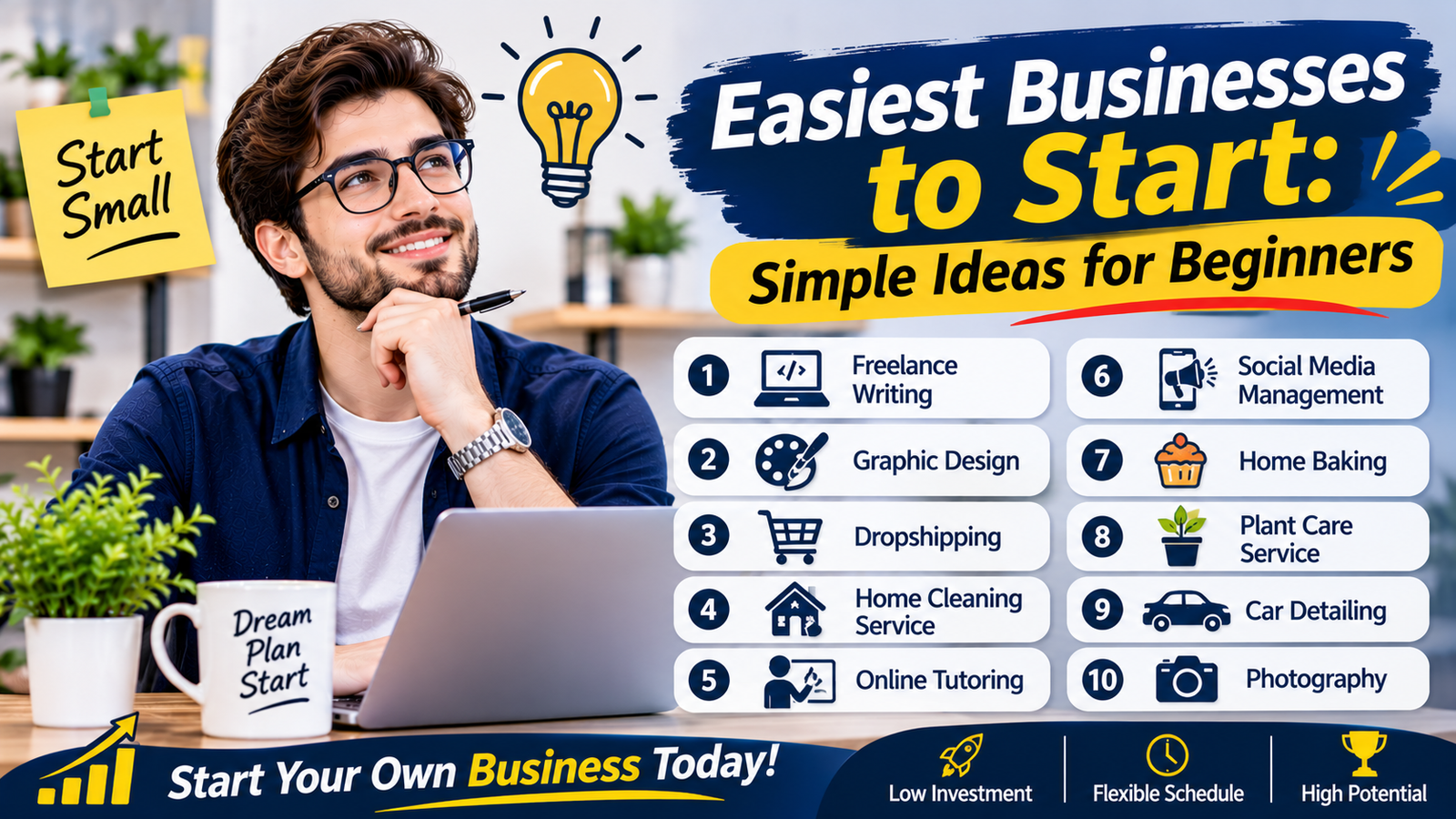
Starting a small business from home is a practical way to earn money without paying for office rent or investing in an expensive shop. Many successful businesses begin with simple skills, basic equipment, and a small number of customers.
Whether you want to earn extra income alongside your job or build a full-time business, there are plenty of opportunities you can explore from home. Some businesses require almost no investment, while others may need a small budget for equipment, materials, or marketing.
The best option depends on your skills, available time, budget, and the type of customers you want to serve.
In this guide, you will discover 25 home small business ideas, how to get started, and practical ways to find your first customers.
Why Start a Small Business From Home?
Table of Contents
A home-based business offers several advantages, especially for beginners who want to avoid unnecessary expenses.

1. Lower Startup Costs
You do not need to rent a commercial office or shop. You can use your existing space, computer, smartphone, and internet connection to start many types of businesses.
2. Flexible Working Hours
You can decide when to work and organize your schedule around your family, studies, or existing job.
3. Opportunity to Start Small
You do not need to launch a large business immediately. Start with one service or product, get a few customers, and expand when your income becomes more stable.
4. Access to Online Customers
Social media, online marketplaces, and your own website can help you reach customers beyond your local area.
25 Best Home Small Business Ideas
Here are practical business ideas you can start from home. Some are suitable for people with professional skills, while others are beginner-friendly.
1. Social Media Management

Many small businesses want to stay active on Instagram, Facebook, and TikTok but do not have enough time to manage their accounts.
You can offer services such as creating posts, writing captions, scheduling content, replying to basic customer messages, and managing social media pages.
How to start: Learn basic social media marketing, create sample posts for a few imaginary businesses, and contact local shops, restaurants, salons, and other small companies.
2. Freelance Graphic Designing
Graphic design is a useful skill that can be turned into a home-based business. Businesses need designs for advertisements, social media posts, logos, flyers, menus, and promotional materials.
You can begin with free or affordable tools such as Canva and gradually learn professional design software.
How to start: Create a small portfolio with 8–10 sample designs and share it with potential clients.
3. Home-Based Bakery
If you enjoy baking, you can sell cakes, cupcakes, cookies, brownies, and other homemade desserts.
Start with a limited menu instead of preparing dozens of products. This helps you control ingredient costs and avoid food waste.
How to start: Prepare samples, take attractive product photographs, set clear prices, and accept orders through WhatsApp or social media. Check local food business and home-kitchen regulations before selling.
4. Online Tutoring
If you are good at a school subject, language, computer skill, or professional topic, you can teach students online.
You can provide individual lessons or small group classes using video calling platforms.
How to start: Choose one subject, decide your lesson price, prepare a simple teaching plan, and advertise your classes in relevant online communities.
5. Virtual Assistant Services
Business owners often need help with everyday administrative tasks. A virtual assistant works remotely and helps clients manage their routine responsibilities.
Services may include email management, appointment scheduling, data entry, document formatting, and online research.
How to start: List the tasks you can confidently perform and offer a simple hourly or monthly service package.
6. Content Writing
Websites, blogs, and online businesses need articles, product descriptions, website pages, and marketing content.
If you have good writing skills, you can provide content writing services from home.
How to start: Write three to five sample articles in different topics and create a portfolio to show potential clients.
7. Online Clothing Store
You can sell clothing without opening a physical shop. Products may include casual wear, traditional clothing, children’s clothing, or fashion accessories.
You can start with a small collection or use a supplier who handles inventory and delivery, depending on the business arrangement.
How to start: Choose a specific clothing category, find reliable suppliers, calculate your costs, and promote your products through Instagram, Facebook, and WhatsApp.
8. Handmade Jewelry Business
Handmade bracelets, necklaces, earrings, and personalized accessories can attract customers looking for unique products.
You can create products yourself and sell them online.
How to start: Purchase a small amount of materials, create a few designs, photograph them properly, and test customer demand before buying more supplies.
9. Home-Based Tailoring and Alterations
People regularly need clothing repairs, size adjustments, hemming, and custom stitching.
If you already know how to sew, you can offer these services from a small workspace at home.
How to start: Begin with simple alterations, create a price list, and promote your services among neighbors and local community groups.
10. Digital Marketing Services

Small companies need help attracting customers online. You can offer services such as social media advertising, basic SEO, content planning, and online marketing strategy.
How to start: Learn one marketing service properly instead of trying to offer everything. Build sample campaigns and approach small businesses with a clear proposal.
11. Print-on-Demand Business
Print-on-demand allows you to sell customized products such as T-shirts, mugs, phone cases, and tote bags without keeping large amounts of inventory.
A supplier prints and ships the product when a customer places an order.
How to start: Create original designs, choose a reliable print-on-demand provider, and open an online storefront. Calculate production, shipping, and platform fees before setting prices.
12. YouTube Channel
YouTube can become a long-term home-based business if you consistently publish useful or entertaining videos.
Possible topics include technology, education, personal finance, cooking, product reviews, and tutorials.
How to start: Choose one topic, plan your first ten videos, and use a smartphone or basic recording equipment. Focus on useful content rather than expensive production.
13. Home-Based Photography
If you have a good camera or smartphone and understand photography, you can offer product photography, portraits, food photography, and editing services.
You can create a small photography setup at home using affordable lighting and a simple background.
How to start: Photograph sample products, build a portfolio, and contact online sellers who need better product images.
14. Resume and CV Writing
Job seekers often need professional CVs, cover letters, and LinkedIn profile improvements.
If you understand professional formatting and can write clearly, this can become a useful service business.
How to start: Create a few sample CV layouts and offer affordable packages for students, fresh graduates, and experienced professionals.
15. Online Reselling Business
You can purchase products from wholesalers or suppliers and resell them online for a profit.
Popular categories include home accessories, phone accessories, clothing, beauty accessories, and everyday household products.
How to start: Research demand, compare supplier prices, begin with a small quantity, and calculate delivery and packaging costs before setting your selling price.
16. Handmade Soap and Candle Business
Decorative candles and handmade soaps can be sold as gifts, home decorations, or personal-care products.
Customers may be interested in customized packaging, fragrances, and gift sets.
How to start: Learn safe production methods, test product quality, calculate material costs, and check applicable product labeling and safety requirements.
17. Website Design Services
Many small businesses need simple websites to display their services, prices, contact details, and business information.
You can create websites using beginner-friendly platforms such as WordPress and website builders.
How to start: Build two or three demonstration websites and approach local businesses that do not have a professional online presence.
18. Translation Services
If you are fluent in two or more languages, you can offer translation services for documents, websites, product descriptions, and business communication.
How to start: Select your language pairs, prepare sample translations, and approach businesses or clients who need accurate translations.
19. Online Fitness Coaching
If you have appropriate fitness knowledge and qualifications, you can provide online workout guidance, general fitness coaching, and exercise plans.
How to start: Identify your target audience, create structured coaching packages, and use video calls to communicate with clients. Avoid offering medical advice or treatment plans unless properly qualified.
20. Personal Gift and Hamper Business
Customized gift boxes are popular for birthdays, weddings, anniversaries, and special occasions.
You can prepare gift hampers with chocolates, accessories, greeting cards, flowers, and personalized items.
How to start: Create three sample gift boxes at different price levels, photograph them, and accept orders through social media.
21. Data Entry Services
Some companies and independent professionals need help entering information into spreadsheets, updating records, and organizing documents.
This business requires attention to detail and basic computer skills.
How to start: Learn spreadsheet basics, practice with sample data, and look for legitimate clients through freelance platforms and professional networks.
22. Affiliate Marketing
Affiliate marketing allows you to earn commissions by promoting other companies’ products or services through special tracking links.
You can promote products through a blog, website, YouTube channel, or social media account.
How to start: Choose a specific topic, build an audience, join relevant affiliate programs, and publish honest product recommendations. Always disclose affiliate relationships.
23. Home-Based Customer Support
Some businesses hire remote workers to answer customer questions through email, live chat, or telephone.
If you communicate clearly and can use a computer confidently, this may be a suitable home-based income opportunity.
How to start: Prepare a professional CV, improve your communication skills, and search for legitimate remote customer support positions.
24. Online Course Creation
If you have experience in a useful subject, you can create a digital course and sell access to it.
Possible topics include graphic design, language learning, computer skills, marketing, cooking, and professional development.
How to start: Choose one specific learning outcome, divide it into short lessons, record the lessons, and publish them through a suitable course platform.
25. Home-Based Subscription Box Business
A subscription box business delivers selected products to customers regularly, such as monthly or quarterly.
You could create boxes around snacks, stationery, books, beauty accessories, or hobby products.
How to start: Choose a specific audience, prepare a sample box, calculate product and delivery costs, and test the idea with a small number of customers.
How to Choose the Right Home Business
Not every business is suitable for everyone. Before investing money, consider these important factors.
Start With Your Existing Skills
Think about what you can already do. If you can design, write, teach, bake, repair clothing, or manage social media, you may already have a useful starting point.
Consider Your Available Budget
Some businesses require equipment or inventory, while others mainly require time and internet access.
If your budget is limited, consider service-based businesses such as writing, tutoring, virtual assistance, and social media management.
Research Customer Demand
A business idea is only valuable when people are willing to pay for the product or service.
Search social media, online marketplaces, and competitor websites to understand what customers are buying and how much they are paying.
Consider Your Available Time
If you already have a full-time job, choose something that can be managed during evenings or weekends.
Do not start a business that requires more time than you can realistically provide.
How to Start a Home Small Business Step by Step
You do not need to create a complicated business plan to begin. Follow these practical steps.
Step 1: Select One Business Idea
Choose one idea that matches your skills, budget, and interests. Avoid starting five different businesses at the same time.
Step 2: Identify Your Target Customers
Decide who is most likely to purchase your product or service. For example, a CV writing service may target job seekers, while a home bakery may target families and people organizing celebrations.
Step 3: Calculate Your Startup Costs
Write down the costs of equipment, materials, packaging, internet, software, advertising, and delivery.
Separate necessary expenses from optional purchases. Avoid spending money on things you do not need at the beginning.
Step 4: Create a Sample Product or Service
Before looking for many customers, prepare something that demonstrates the quality of your work.
This could be a sample design, a demonstration website, a product photograph, a sample CV, or a small batch of baked products.
Step 5: Set Your Prices
Calculate your costs and decide how much profit you want to earn.
For service businesses, consider charging per project, per hour, or through monthly packages. For physical products, include materials, packaging, delivery, and other expenses.
Step 6: Promote Your Business Online
Create a professional social media page and publish clear information about what you offer.
Use good photographs, explain your services, display prices where appropriate, and make it easy for customers to contact you.
Step 7: Focus on Customer Satisfaction
Deliver what you promise, communicate clearly, and respond to customers professionally.
Satisfied customers may return and recommend your business to other people.
Step 8: Reinvest Your Profits
Once you begin earning money, consider reinvesting some of your profit into better equipment, marketing, product quality, or business expansion.
How to Find Your First Customers
Getting your first customers is often more difficult than setting up the business. Here are a few practical methods.
- Use WhatsApp: Share your products or services with people who may genuinely be interested.
- Create an Instagram page: Publish examples of your work and make your contact information easy to find.
- Join relevant Facebook groups: Participate in local business and community groups while following their promotional rules.
- Contact small businesses: Offer a specific service that solves a problem for them.
- Ask for referrals: Encourage satisfied customers to recommend your business.
- Create introductory offers: Give new customers a limited-time offer without selling your service below its actual cost.
Common Mistakes to Avoid
Starting a home business can be exciting, but beginners sometimes make mistakes that waste time and money.
Spending Too Much Before Getting Customers
Avoid purchasing expensive equipment, large amounts of inventory, or unnecessary software before testing demand.
Trying Too Many Ideas at Once
Choose one business and give it enough attention to understand whether it can generate sales.
Ignoring Marketing
Even a good product needs visibility. Consistently promote your business and explain why customers should choose you.
Setting Prices Too Low
Low prices may attract attention, but they can make it difficult to cover your costs and earn a reasonable profit.
Expecting Immediate Results
Most businesses need time to develop. Focus on improving your product, finding customers, and building trust instead of expecting instant success.
Frequently Asked Questions
What is the easiest small business to start from home?
Service-based businesses such as content writing, virtual assistance, social media management, tutoring, and CV writing are often easier to start because they do not require large inventory purchases.
Which home business requires the least investment?
Businesses based on existing skills, including writing, translation, tutoring, data entry, and basic graphic design, can often be started with a computer or smartphone and an internet connection.
Can I run a home business while working full-time?
Yes. Many home businesses can be managed part-time. Choose a service or product that fits your available schedule and avoid accepting more work than you can complete.
How can I promote my home business for free?
You can use social media pages, WhatsApp, community groups, referrals, and helpful online content to attract customers without paying for advertisements.
Is a home-based business profitable?
It can be profitable, but results depend on customer demand, pricing, operating costs, competition, and the quality of your products or services. No business guarantees a particular income.
Do I need a license to run a home business?
This depends on your country, location, and business activity. Some activities require registration, permits, food safety approval, or other permissions. Check local regulations before accepting payments or selling products.
Final Thoughts
A home-based business can be a smart way to build an additional income source or develop a long-term business without the expense of renting a commercial space.
The best approach is to start with something you understand, keep your initial costs under control, and test whether customers are willing to pay for your product or service.
You do not need 25 business ideas to become successful. You need one suitable idea, a clear plan, consistent effort, and your first paying customer.
Start small, learn from your customers, and improve your business step by step.




Pingback: 30 Profitable Business Startup Ideas to Start in 2026