

Starting your own business is a dream for many people, but a lack of money often stops them from taking the first step. Many people believe that starting a business requires a large investment, an office, expensive equipment, or a big team. However, that is not always true.
Today, the internet and free digital tools have made it easier than ever to start a small business with little or no money. You can begin with your skills, knowledge, time, and determination. Instead of spending money before making your first sale, you can start small, find customers, earn your first income, and gradually grow your business.
In this guide, you will learn how to start your own business with no money, which business ideas are suitable for beginners, and how to find your first customers.

Can You Really Start a Business With No Money?
Table of Contents
Yes, you can start certain types of businesses without investing money upfront. However, this does not mean every business can operate completely free of cost. Some businesses eventually require money for equipment, transportation, software, marketing, licenses, or other expenses.
The best approach is to choose a business that does not require inventory, a physical shop, or expensive equipment. Service-based businesses are often a good starting point because you can sell your time and skills instead of purchasing products.
For example, you can offer graphic design, social media management, writing, tutoring, or virtual assistant services. Once you start earning, you can reinvest some of your income to expand your business.
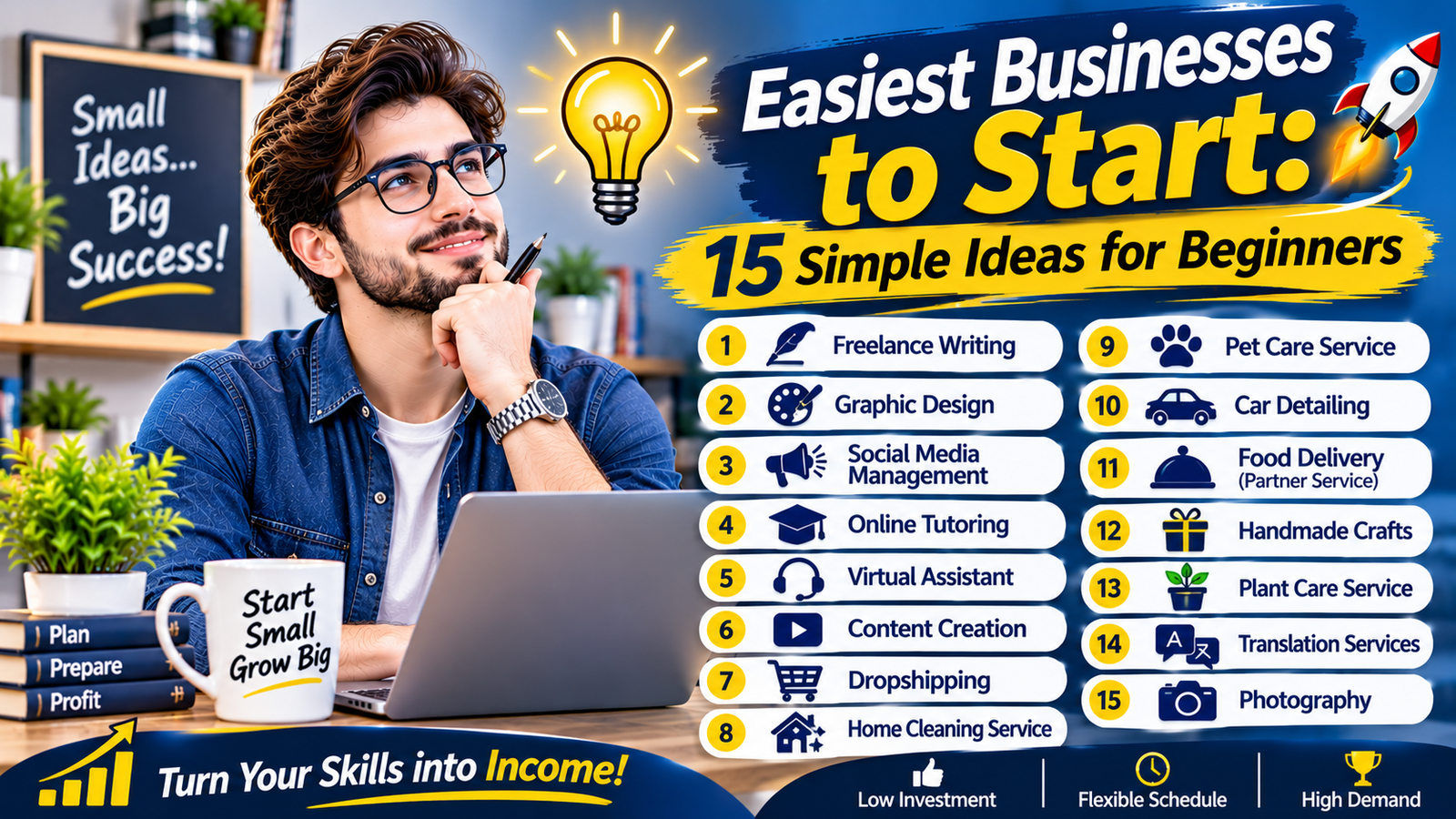
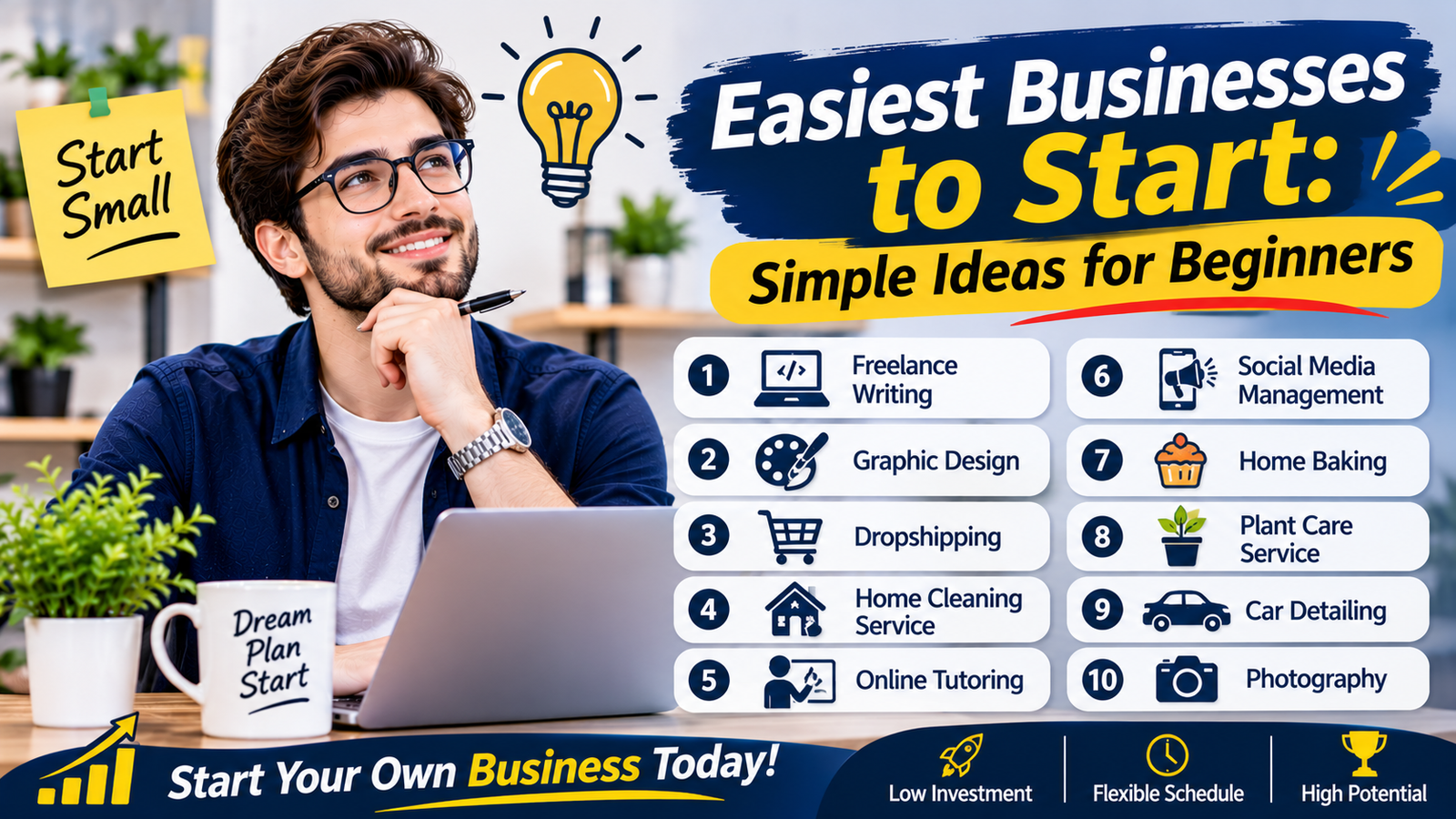
1. Start a Social Media Management Business

Social media management is one of the most accessible businesses for beginners. Many small businesses have Facebook and Instagram accounts but do not have enough time or knowledge to manage them properly.
You can help these businesses by creating posts, writing captions, responding to customer messages, planning content, and maintaining their social media pages.
You do not need an office or employees to begin. A smartphone or computer and free design tools can help you create sample work and approach potential clients.
Start by choosing a particular type of customer, such as restaurants, clothing stores, salons, or local service providers. Create a few sample posts and show business owners how you can improve their online presence.
2. Start a Graphic Design Business

Graphic design is another business you can start with almost no investment. Businesses regularly need promotional posters, social media graphics, advertisements, menus, banners, and business cards.
Beginners can learn basic design skills through free online tutorials and practice using Canva or other free design tools.
Create a small portfolio containing five to ten sample designs. You can then contact local businesses, online sellers, and independent professionals to offer your services.
As your experience grows, you can offer more advanced services and build long-term relationships with clients.
3. Start a Freelance Writing Business
If you enjoy writing, freelance writing can become a useful source of income. Websites, blogs, businesses, and online publications need written content to communicate with their audiences.
You can offer services such as blog writing, website content, product descriptions, email writing, and social media captions.
You do not need to purchase expensive software to begin. A computer or smartphone and free writing tools may be enough for your first projects.
Choose a subject you understand, write a few sample articles, and share them with potential clients. Focus on delivering original, useful, and well-organized content.
4. Start a Virtual Assistant Business
A virtual assistant provides administrative support to businesses and individuals remotely. This business is suitable for people who are organized and comfortable using computers and communication tools.
Common tasks include managing emails, scheduling appointments, organizing documents, updating spreadsheets, responding to customer inquiries, and conducting basic online research.
Start by identifying the tasks you can perform confidently. Create a simple list of your services and approach small business owners who may need administrative support.
As you gain experience, you can specialize in areas such as customer support, appointment management, or e-commerce assistance.
5. Start an Online Tutoring Business
If you have strong knowledge of a particular subject, you can earn money by teaching other people online.
You could offer tutoring in mathematics, English, science, computer basics, or other subjects you understand well.
You can begin by offering individual lessons through online communication platforms. Prepare simple lesson plans and provide a short introductory session to demonstrate your teaching ability.
You do not need to rent a classroom or purchase expensive equipment. A smartphone, internet connection, and suitable teaching materials may be enough to get started.
6. Start a Service-Based Local Business
Not every business needs to operate online. You can also start a local service business without renting a shop or purchasing large amounts of inventory.
Examples include:
- Home cleaning services
- Mobile car cleaning
- Basic gardening services
- Home organization
- Pet care services
- Event assistance
- Furniture assembly
- Basic computer support
Choose a service that you can perform safely and professionally. Start with people in your community and ask satisfied customers to recommend your service to others.
Before offering services, check any local registration, licensing, and safety requirements that may apply.
7. Start an Online Clothing Business Without Buying Stock
An online clothing business can be started with limited money if you avoid purchasing inventory in advance.
One possible approach is to work with a reliable supplier who allows you to display product photographs and fulfill orders after customers purchase.
You can create a free social media page, publish product information, communicate with customers, and coordinate orders with the supplier.
However, always confirm product availability, quality, delivery costs, return policies, and payment arrangements before accepting orders. Be honest with customers about delivery times and product details.
8. Start a Digital Marketing Business
Businesses need customers, and many are willing to pay for marketing services that help them reach the right audience.
You can begin by offering services such as social media content planning, basic search engine optimization, email marketing, and advertising support.
Start by learning one specific service rather than trying to become an expert in everything. For example, you could focus on helping restaurants improve their social media presence.
Build a few sample projects and explain clearly what services you provide. Do not promise guaranteed sales or results that you cannot control.
How to Find Your First Customers Without Spending Money
Finding customers is one of the most important steps when starting a business. You can have a useful service, but without customers, you will not generate income.
Here are some practical ways to find your first clients without paying for advertisements.
Use Social Media: Create professional business profiles on platforms such as Facebook, Instagram, and LinkedIn. Share examples of your work and explain how your services help customers.
Contact Local Businesses: Make a list of small businesses that may need your services. Send them a short, personalized message explaining what you can offer.
Use Personal Connections: Tell friends, relatives, and former colleagues about your new business. Someone in your network may need your service or know a potential customer.
Join Business Communities: Participate in relevant online groups where business owners discuss their needs. Provide helpful information instead of repeatedly posting advertisements.
Create a Portfolio: Customers want to see what they are paying for. Prepare a few sample projects to demonstrate your skills, even if you have not worked with a paying client yet.
How to Manage Your Business With Free Tools
You do not need expensive software when you are starting. Several free tools can help you organize your work.
- Canva: Create social media graphics, presentations, and promotional materials.
- Google Docs: Write documents, proposals, and articles.
- Google Sheets: Track expenses, customers, and payments.
- Google Drive: Store and organize business files.
- WhatsApp Business: Communicate with customers and organize inquiries.
- Trello: Manage projects and daily tasks.
Free plans may have limitations, but they are often sufficient for beginners.
A Simple 30-Day Plan to Start Your Business
Starting a business becomes easier when you divide the process into smaller steps.
Days 1–5: Choose Your Business Idea
Identify your skills, interests, and the services you can provide. Research whether people or businesses actually need those services.
Days 6–10: Learn and Practice
Use free online tutorials to improve your skills. Create sample projects that demonstrate the quality of your work.
Days 11–15: Build Your Business Presence
Create a professional social media profile, prepare a simple service description, and organize your portfolio.
Days 16–20: Find Potential Customers
Contact businesses and individuals who may need your services. Personalize your messages and explain how you can help.
Days 21–25: Focus on Your First Sale
Discuss customer requirements, agree on the price, and clearly define what you will deliver. Avoid doing large amounts of unpaid work.
Days 26–30: Improve and Grow
Complete your first projects professionally. Request honest feedback, collect testimonials with permission, and improve your services based on customer needs.
Your first month may not produce a large income. The main goal is to establish a working business model and find your first paying customer.
Common Mistakes to Avoid When Starting With No Money
Many beginners lose time and money because they make avoidable mistakes.
Trying Too Many Business Ideas: Choose one business and focus on it. Constantly changing direction makes it difficult to build experience and find customers.
Spending Money Too Early: Avoid purchasing expensive equipment, subscriptions, or advertising before understanding whether customers want your service.
Ignoring Customer Needs: A business should solve a real problem. Do not choose an idea only because it looks popular on social media.
Expecting Immediate Profit: Building a customer base takes time. Be prepared to learn, improve, and communicate with potential customers consistently.
Offering Too Many Free Services: You can create sample work to demonstrate your ability, but you should not build a business around providing unlimited unpaid work.
Ignoring Legal Requirements: Depending on your country and business activity, you may need registration, permits, tax arrangements, or other approvals. Check the requirements before operating commercially.
How to Grow Your Business After Making Your First Money
Once you start earning, avoid spending all your profit immediately. Keep track of your income and expenses so you understand how much your business actually earns.
You can reinvest some of the money in better equipment, professional training, useful software, or marketing.
As your customer base grows, consider offering additional services, increasing your prices when justified, or working with other freelancers.
You can also build a website, create a recognizable brand, and develop a more professional system for handling customer inquiries and payments.
The most important thing is to grow gradually. You do not need a large office or a big team to build a successful business.
Final Thoughts
Starting your own business with no money is possible if you choose the right business model and focus on solving real problems. Service-based businesses, freelancing, digital marketing, graphic design, tutoring, and virtual assistance are practical options for beginners.
You do not need to wait until you have a large amount of money. Start with the skills and resources you already have, learn what customers need, and work toward your first sale.
Remember, the first goal is not to build a huge company overnight. It is to start something useful, find your first customer, deliver good work, and use your earnings to build a stronger business over time.




Pingback: 20 Businesses to Start With No Money: Ideas for Beginners